Stainless steel is mainly used without any surface treatment and has a high cost.
2. Hot-rolled sheet SHCC, with material T≥3.0mm, is also used for electroplated and painted parts. It has a low cost but is difficult to form and is mainly used for flat parts.
3. Galvanized sheets SECC and SGCC. SECC electrolytic plates are divided into N material and P material. N material mainly does not undergo surface treatment and has a high cost, while P material is used for spray-painted parts.
4. Copper; It mainly uses conductive materials, and its surface treatment is nickel plating, chromium plating, or no treatment at all, which is costly.
5. Aluminum plate; Generally, surface chromate (J11-A) is used for oxidation in Suzhou laser sheet metal processing (conductive oxidation, chemical oxidation), which is costly and can be silver or nickel plated.
6. Aluminum profiles; Materials with complex cross-sectional structures are widely used in various types of casings. The surface treatment is the same as that of aluminum plates.
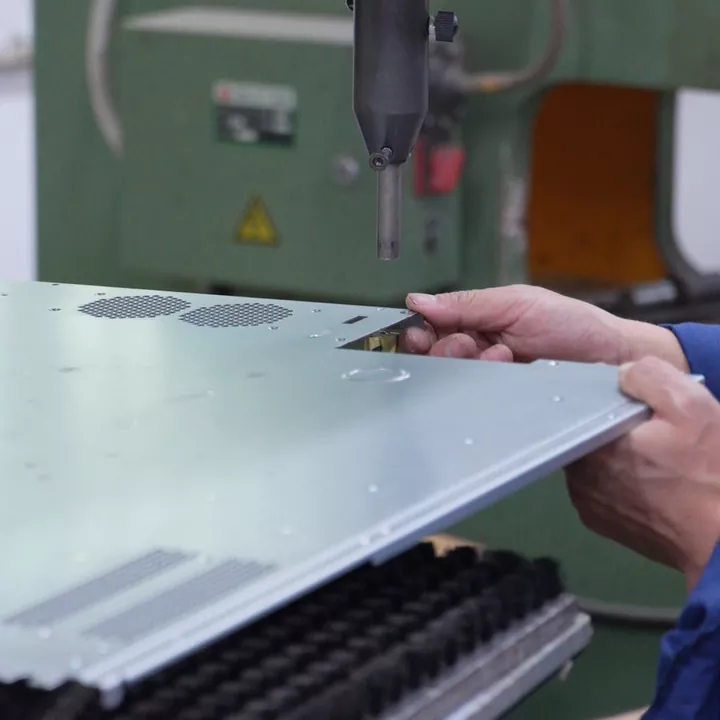
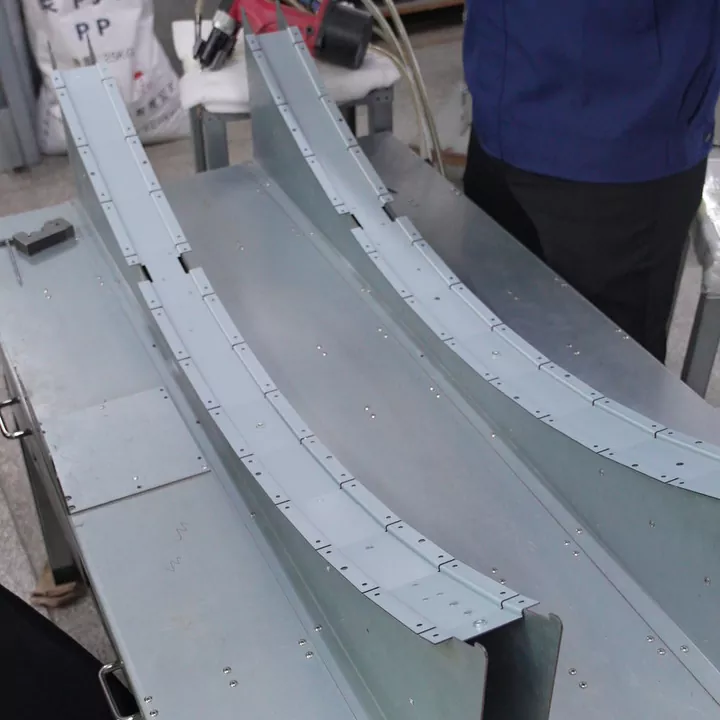
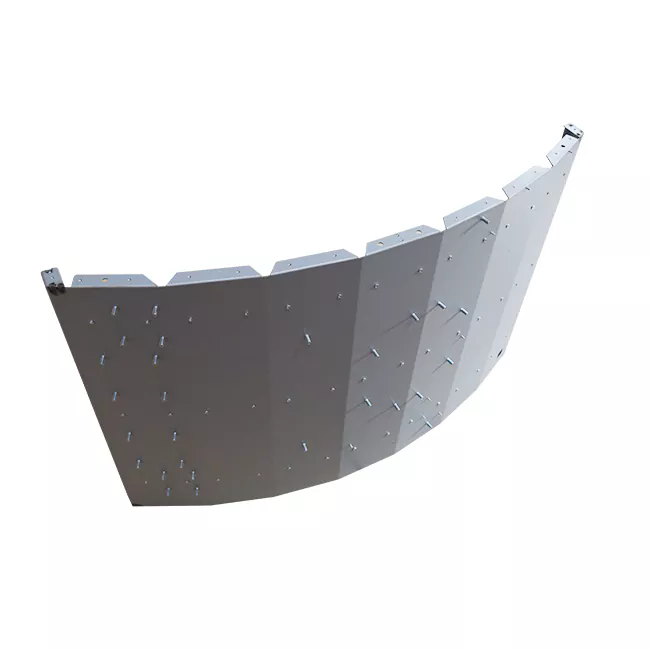
7. Cold-rolled SPCC sheet is mainly used for electroplated and painted parts. It has a low cost, is easy to form, and the material thickness is ≤3.2mm. Generally, the 90-degree bending of sheet metal is achieved through pressure in V-shaped grooves, so the relationship between them is that of tooling and tools. V-shaped grooving processing can also be regarded as a process in sheet metal processing. Some sheet metal products (with relatively thick materials) have too large an outer R Angle after bending, which is not aesthetically pleasing. Therefore, V-shaped grooves are planed at the bending point (that is, the sheet thickness is thinned). V-shaped grooves have two functions: one is to reduce the bending circle Angle. Generally, the inner circle Angle of sheet metal bending is equal to the thickness of the plate. If the required inner circle Angle of the workpiece bending is less than the thickness of the plate, a V-shaped groove needs to be planed. Second, reduce the bending force. When the bending force of the workpiece exceeds the tonnage of the bending machine and cannot be bent, a V-shaped groove can be planed to reduce the bending force.
1. Blanking: There are various blanking methods, mainly including the following types
① Press: It is a process that uses a press to form various shaped materials by punching flat parts on a sheet in one or more steps after the parts are unfolded. Its advantages include short working hours, high efficiency, high precision, low cost, and suitability for mass production. However, molds need to be designed.
② Shearing machine: It is a machine that uses a shearing machine to cut simple strip materials. It is mainly used to prepare for the blanking and forming of molds. It has a low cost and a precision of less than 0.2, but it can only process strip or block materials without holes or cutting corners.
③ Laser blanking is a method that uses laser cutting to cut out the structural shape of a large flat plate. Just like NC blanking, it requires writing a laser program. It can cut various complex-shaped flat plate parts, but it is costly and has a precision of less than 0.1.
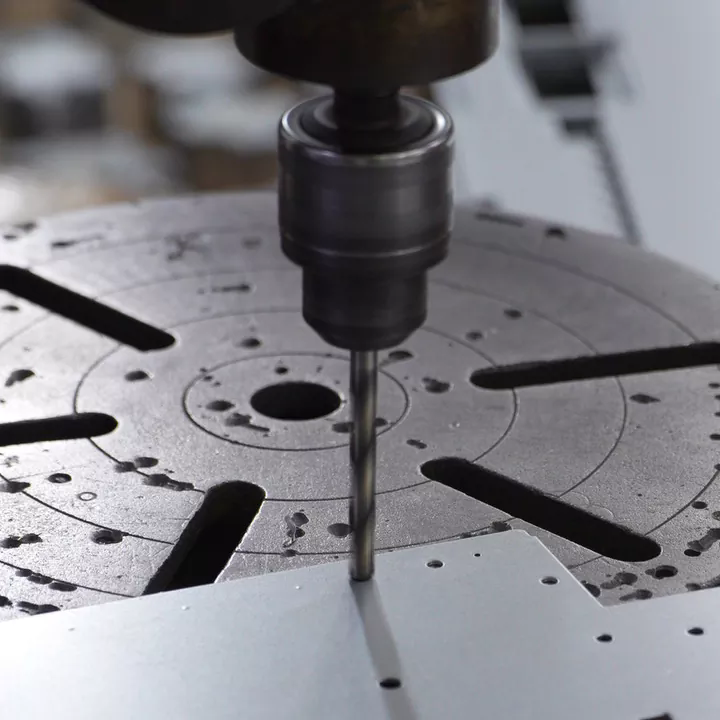
④ NC numerical control blanking: When performing NC blanking, the first step is to write a numerical control processing program. By using programming software, the drawn development diagram is transformed into a program recognizable by the NC numerical control blanking machine tool. According to these programs, it can punch out various shaped flat plate parts step by step on the flat plate. However, its structure is affected by the tool structure. It has a low cost and a precision of 0.15.
⑤ Sawing machine: Mainly used for cutting aluminum profiles, square tubes, drawing tubes, round bar stock, etc. It has low cost and high precision.
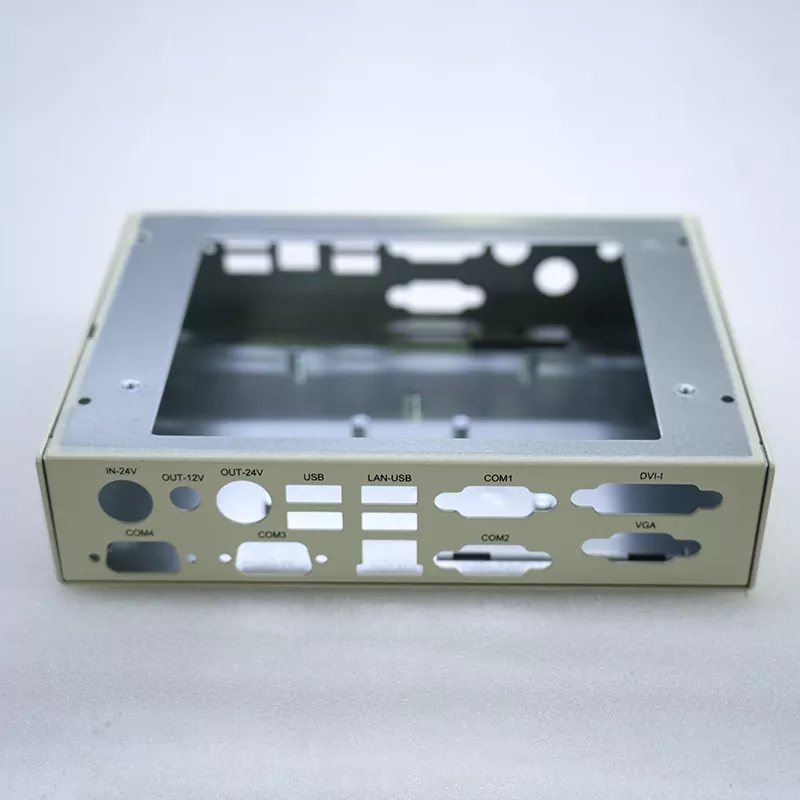
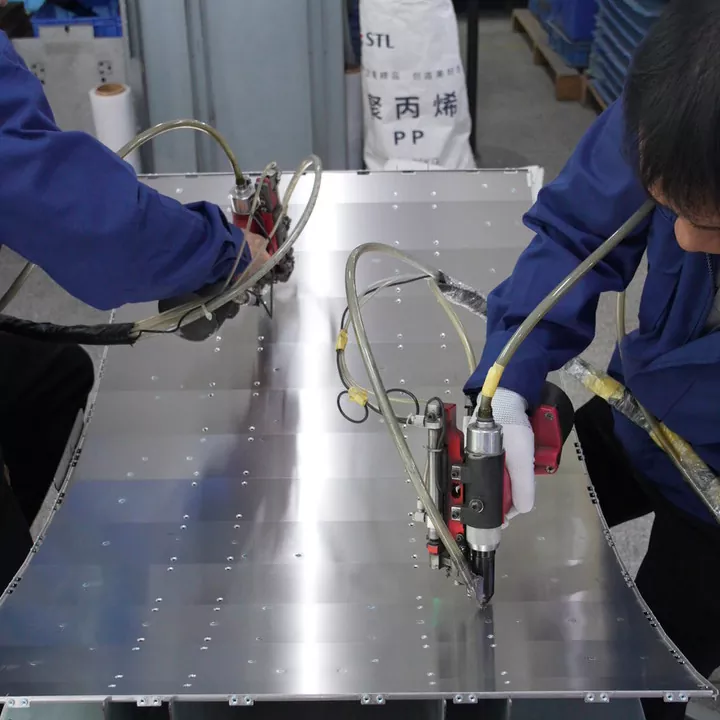
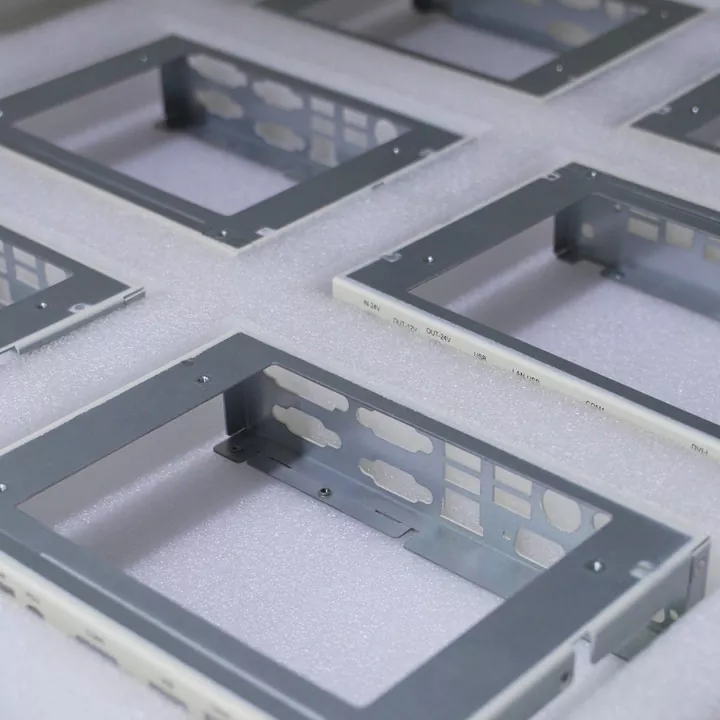
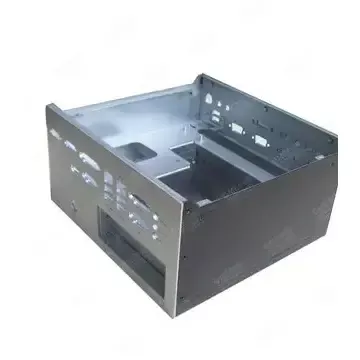
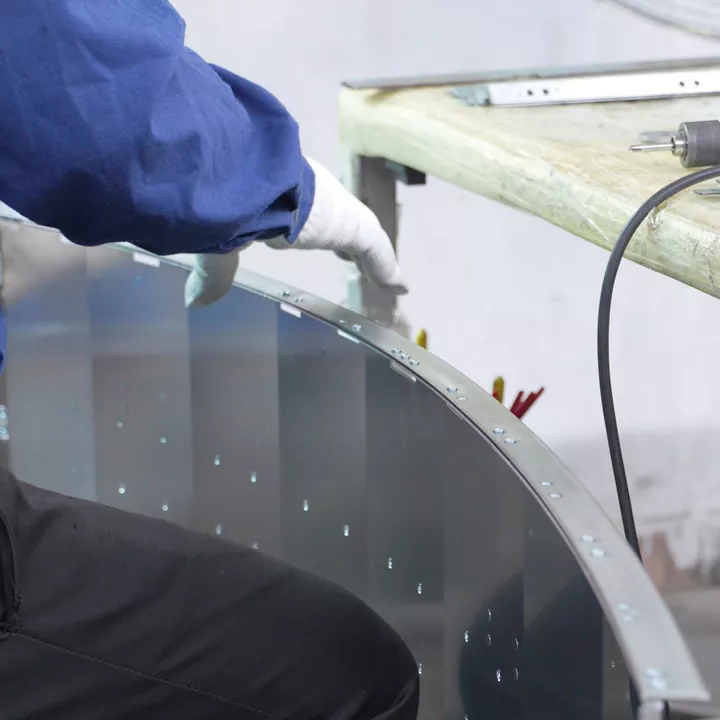
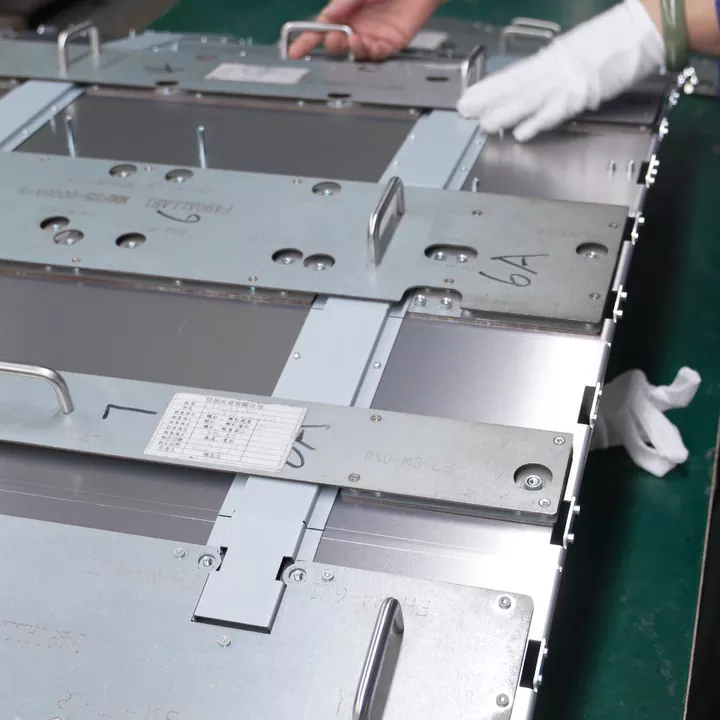
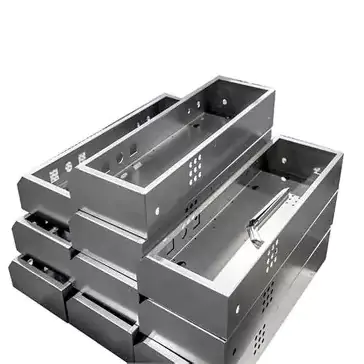
Among various sheet metal processing, the assembly of sheet metal cabinets is of great significance, and the requirements for its manufacturing process are also very strict. Among them, the packaging containers for outbound goods are required to undergo performance testing. When reporting for inspection, provide the "Application Form for Inspection of Outbound Cargo Transport Packaging", the inspection result sheet of this batch of packaging containers from the production unit, the specification list of packaging containers, customer orders and relevant requirements for packaging containers, as well as technical data such as the design process and material inspection standards of this batch of packaging containers.
We use cookies to offer you a better browsing experience, analyze site traffic and personalize content. By using this site, you agree to our use of cookies.Privacy Policy