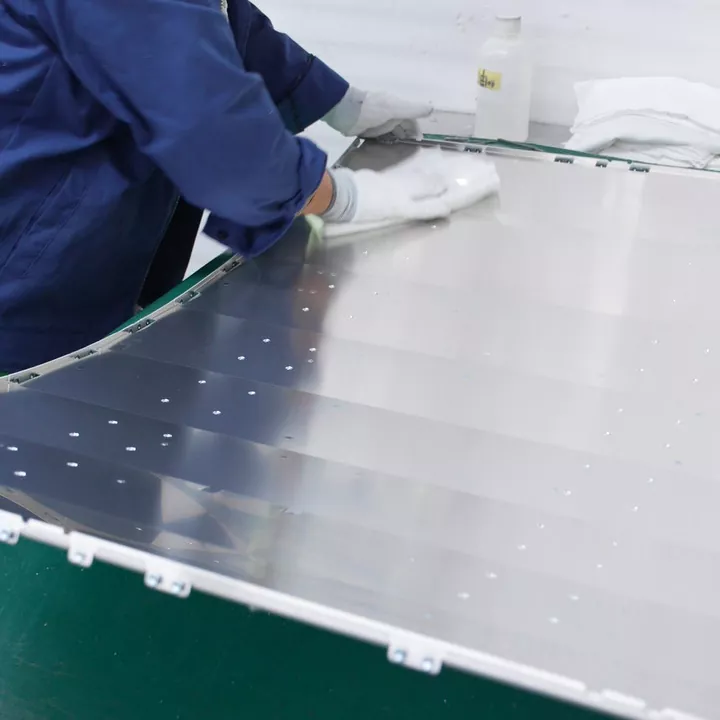
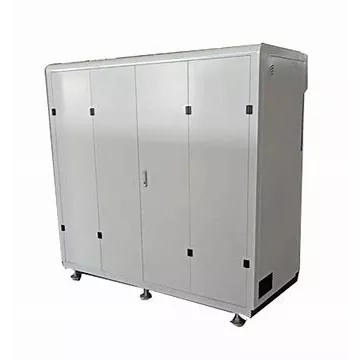
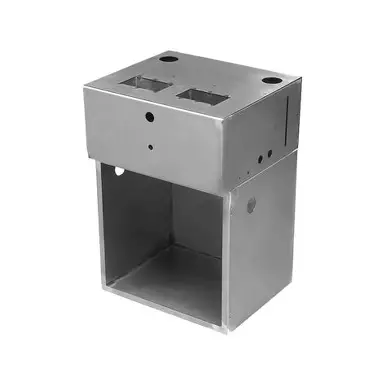
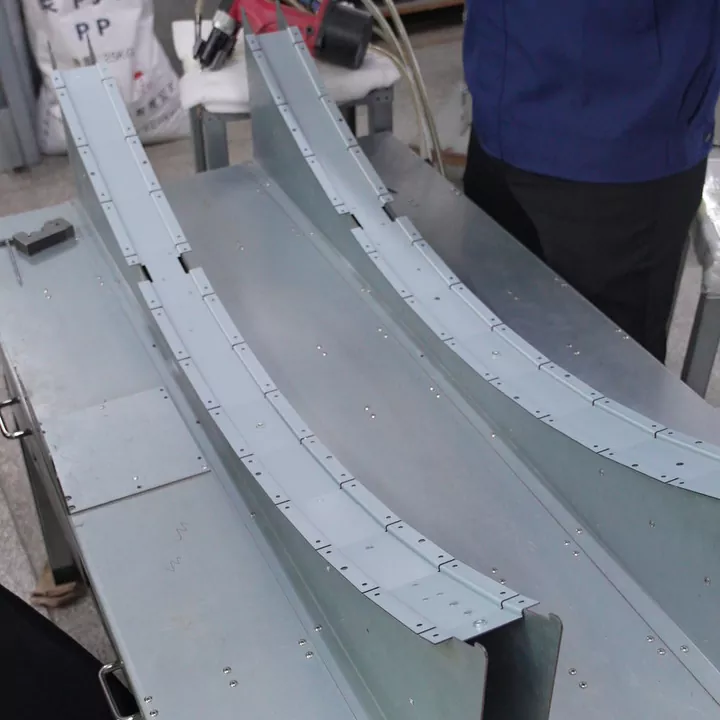
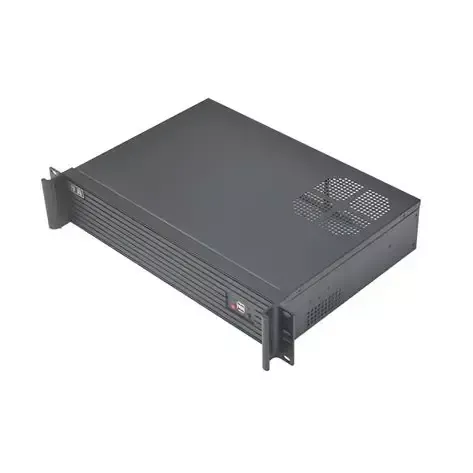
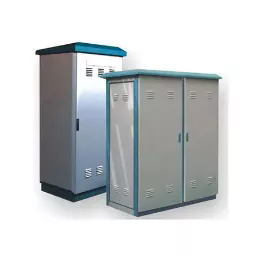
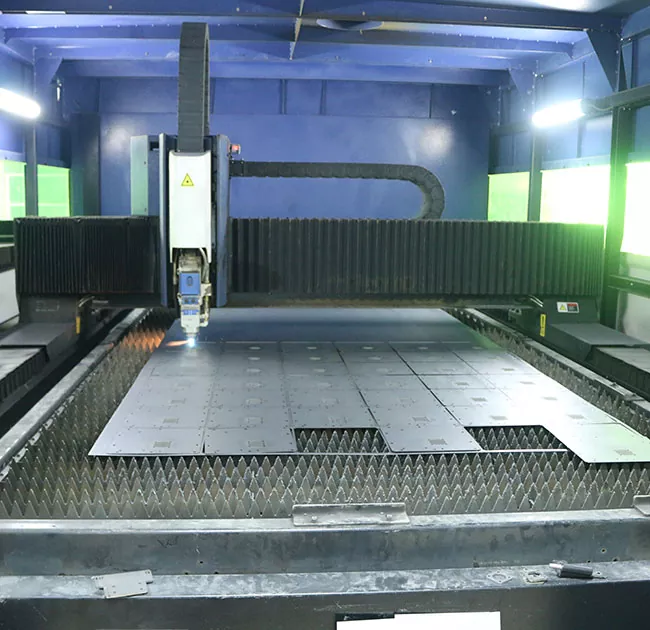
In non-standard sheet metal processing, the requirement for structural strength is a key indicator to ensure that the product can withstand the expected load, resist deformation and failure. It needs to be comprehensively considered from multiple aspects such as material selection, structural design, processing technology, connection method, load type and calculation, testing and verification, as well as environmental adaptability. The following is a detailed introduction:
Non-standard sheet metal processing
I. Material Selection
The strength characteristics of the material itself are the basis for determining the strength of sheet metal structures. Commonly used sheet metal materials include carbon steel (such as cold-rolled sheet SPCC, hot-rolled sheet SPHC, galvanized sheet SGCC/SECC), stainless steel (such as SUS304, SUS201, SUS316), aluminum alloy (such as 5052, 6061), etc. Different materials have different mechanical property indicators such as yield strength, tensile strength and elongation. The appropriate material should be selected based on the usage environment and load requirements of the product. For instance, for structural components that need to withstand significant loads or impacts, high-strength steel or aluminum alloy should be selected. For environments that require corrosion resistance, stainless steel or carbon steel that has undergone anti-corrosion treatment should be selected.
Ii. Structural Design
Uniform thickness: Maintain the uniformity of the thickness of sheet metal parts, especially during processing such as bending and stamping. Uneven thickness may lead to stress concentration, deformation or processing difficulties.
Sufficient strength and rigidity: Ensure that the designed sheet metal structure has sufficient strength and rigidity to withstand the expected loads and deformations. Consider the influence of factors such as the cross-sectional shape, wall thickness and reinforcing ribs of the structure on strength and stiffness. For instance, the bending stiffness of the structure can be enhanced by adding reinforcing ribs. The load-bearing capacity of the structure can be enhanced by optimizing the cross-sectional shape (such as using channel-shaped, I-shaped, etc.).
Avoid stress concentration: In structural design, sharp corners, narrow slots and other areas that are prone to stress concentration should be avoided. For areas where stress concentration is inevitable, appropriate fillet transition or reinforcement measures should be taken.
Easy to flatten: When designing, it is considered that all bends and bevels can be unfolded on the same plane to ensure easy processing and assembly. Avoid design interference and complex spatial structures.
Iii. Processing Technology
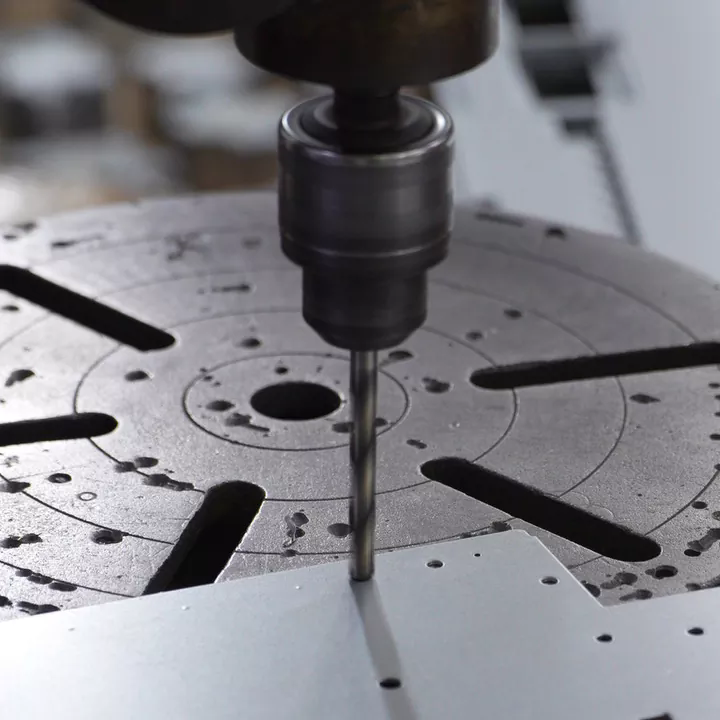
Cutting and stamping: High-precision cutting and stamping equipment is adopted to ensure the dimensional accuracy and surface quality of the cutting surface and punched holes. Avoid the influence of defects such as cutting burrs and punching cracks on the structural strength.
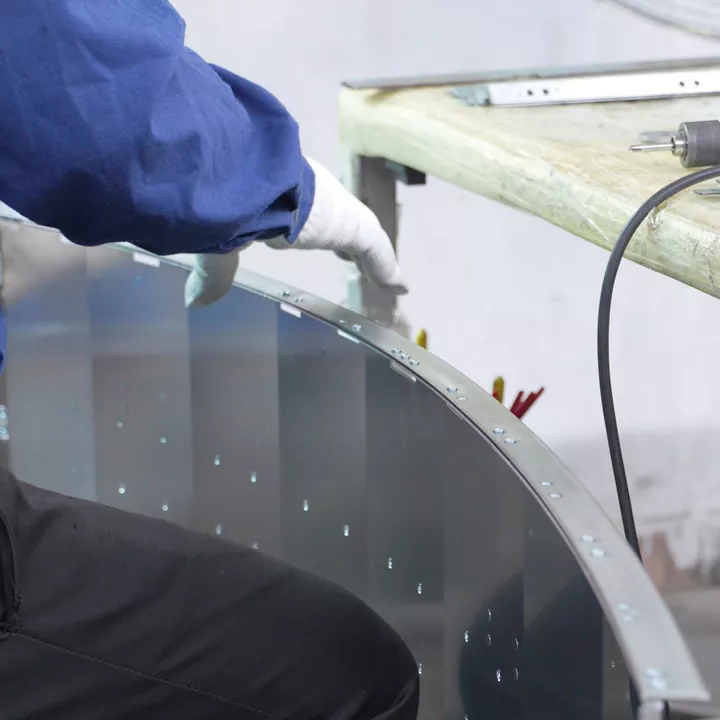
Bending forming: Select the appropriate bending radius and bending Angle based on the material's properties and thickness. A bending radius that is too small may cause the material to crack or rebound excessively. Excessive bending angles may affect the assembly and service performance of the structure.
Welding connection: For structural components that require welding connection, appropriate welding methods and welding process parameters should be selected to ensure the quality and strength of the weld seam. Avoid the influence of welding defects (such as pores, cracks, incomplete fusion, etc.) on the structural strength.
Iv. Connection Method
In addition to welding, sheet metal structures can also be connected by riveting, bolt connection and other methods. Different connection methods have different strength and reliability characteristics. The appropriate connection method should be selected based on the usage requirements and assembly conditions of the product. For instance, for structural components that need to be disassembled frequently or bear significant vibration loads, bolt connections should be adopted. For structural components that require sealing or are subject to significant tensile forces, riveting can be adopted.
V. Load Types and Calculations
Load type: Clearly define the types of loads that the sheet metal structure may bear during use (such as static loads, dynamic loads, impact loads, etc.) and their magnitudes. The influence of different types of loads on structural strength varies, and targeted design and calculation are required.
Strength calculation: Based on the type and magnitude of the load as well as the mechanical performance indicators of the material, the structural strength is calculated. Common calculation methods include finite element analysis (FEA), empirical formula calculation, etc. Through calculation, it is possible to assess whether the strength of the structure meets the requirements and guide the optimization of structural design.
Vi. Testing and Verification
Necessary testing and verification work should be carried out during the product design stage and before mass production. For instance, by making the first sample for installation verification, the actual load-bearing capacity and performance of the structure can be tested; Through quality inspection methods such as salt spray tests and hardness tests, the performance indicators of the structure, including corrosion resistance and hardness, are evaluated to determine whether they meet the requirements.
We use cookies to offer you a better browsing experience, analyze site traffic and personalize content. By using this site, you agree to our use of cookies.Privacy Policy