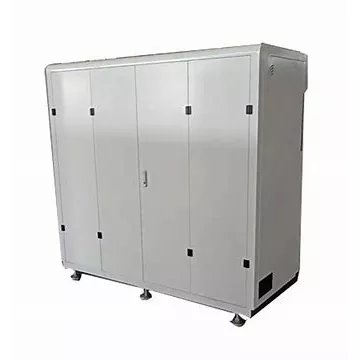
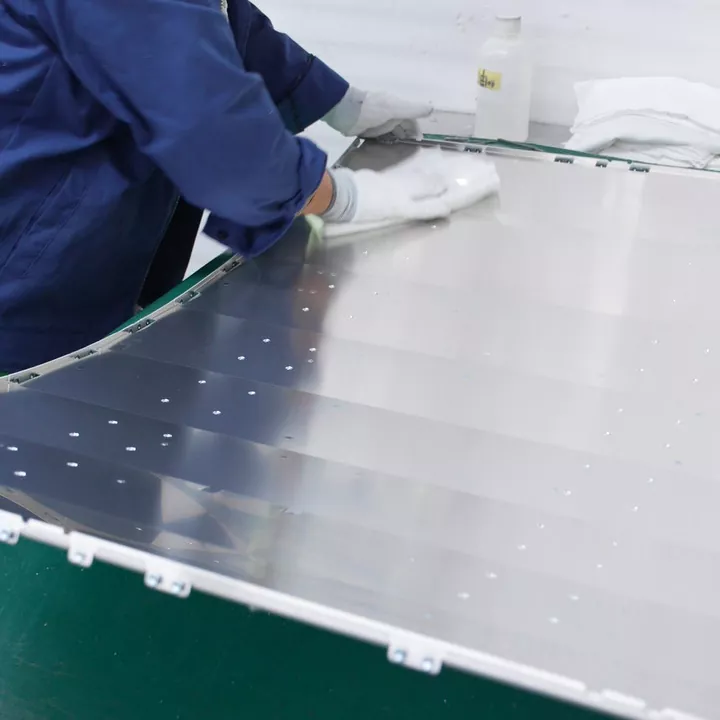
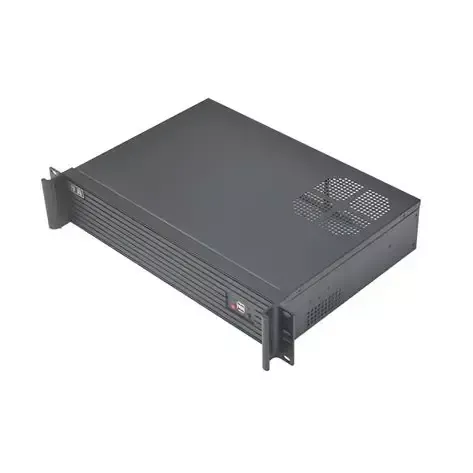
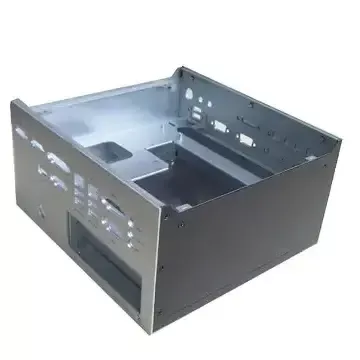
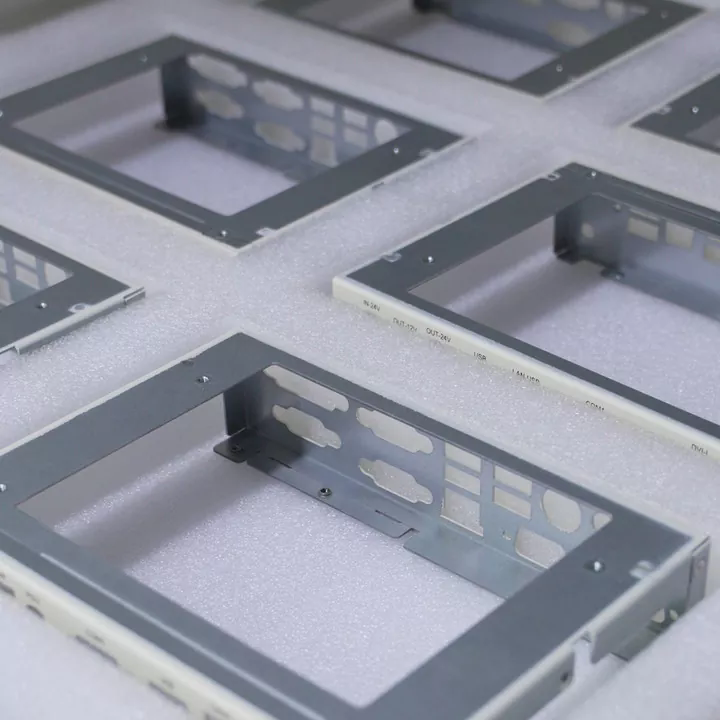
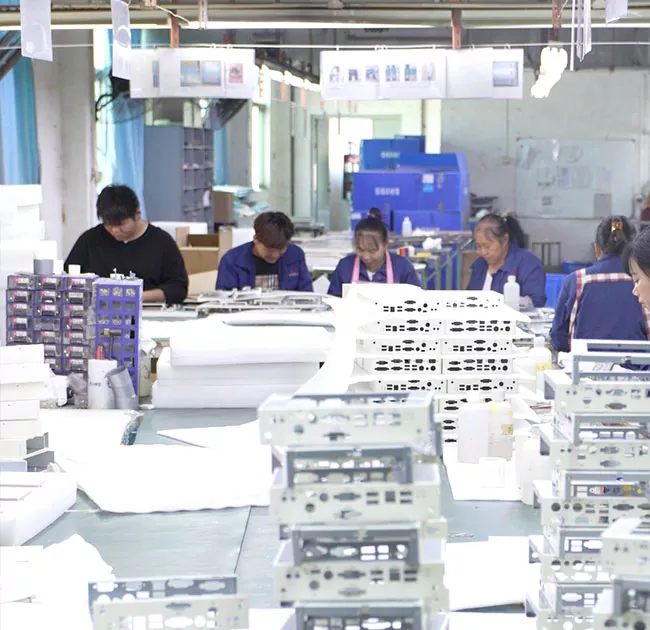
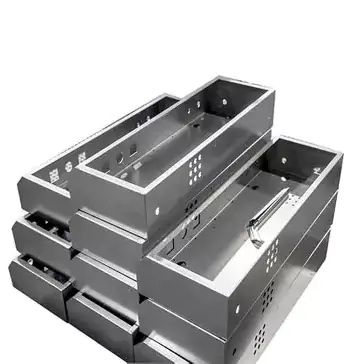
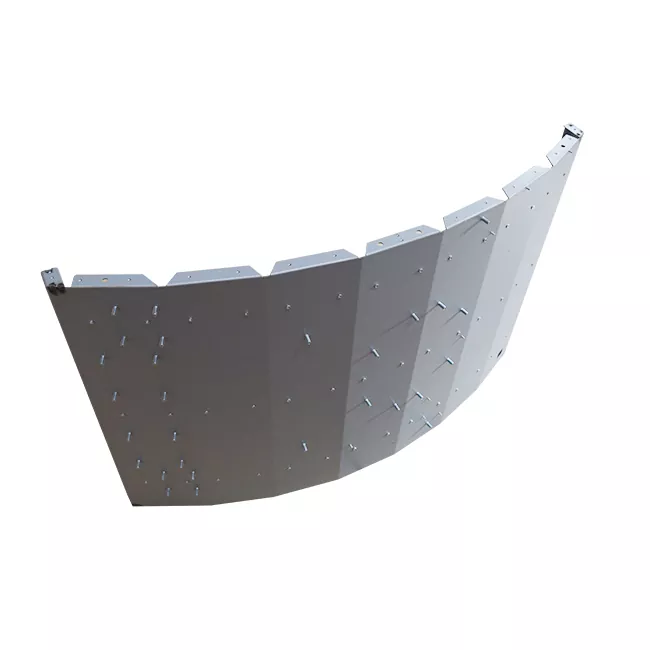
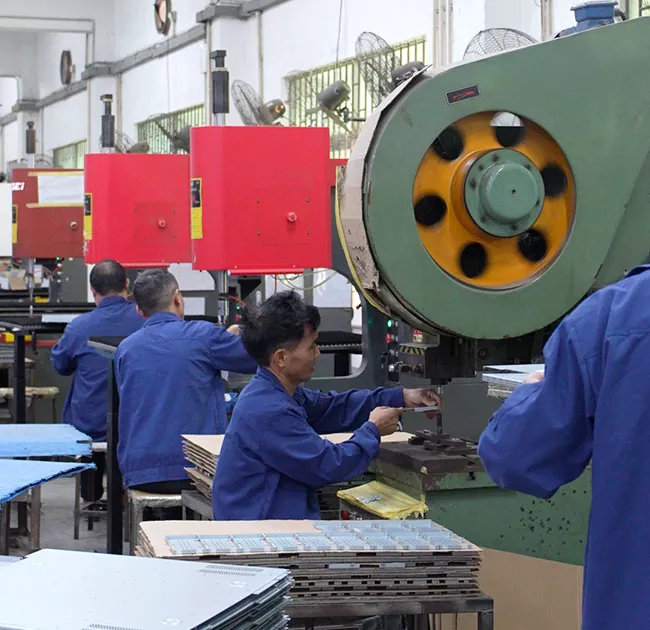
Precision sheet metal processing is a high-precision forming process based on metal sheets (typically with a thickness of 0.5 to 6mm). Through a series of procedures such as shearing, bending, stamping, welding, and surface treatment, metal sheets are processed into components or integrated parts that meet strict dimensional tolerances (usually reaching the ±0.01mm level) and functional requirements. Its core technical characteristics are reflected in three dimensions: dimensional accuracy control, achieving micron-level processing error control relying on CNC equipment; Material adaptability: It can handle various metal materials such as stainless steel, aluminum alloy, cold-rolled sheet, and galvanized sheet, meeting the mechanical and chemical performance requirements of different scenarios. The structural complexity is achieved through a composite process, completing the integrated processing of complex curved surfaces, multiple cavities, and high-precision assembly holes, significantly reducing the difficulty of subsequent assembly.
Compared with traditional sheet metal processing, the core advantage of precision sheet metal processing lies in the deep integration of "precision" and "intelligence" - the application of intelligent equipment such as CNC punching machines, laser cutting machines, and bending robots not only increases processing efficiency by 3 to 5 times, but also makes the batch production of complex structures possible It is especially suitable for industries and fields with high added value and high reliability requirements.
Ii. Key application scenarios for penetrating the entire industrial chain
Precision sheet metal processing, as a fundamental manufacturing link, has deeply permeated the core areas of the national economy and has become an indispensable support for many high-end industries
Intelligent manufacturing and automation: Industrial robot bodies, mechanical arm connectors, conveyor frames for automated production lines, etc., require sheet metal parts to have extremely high structural stability and assembly accuracy to ensure the long-term efficient operation of equipment.
In the electronics and electrical industry: server cases, communication equipment shells, new energy charging pile cabinets, etc., need to take into account electromagnetic shielding, heat dissipation performance and precise dimensions. Precision sheet metal processing can achieve the integrated forming of complex cavity structures and high-precision hole positions.
Automobiles and transportation: Battery trays for new energy vehicles, structural components for charging piles, interior parts for rail transit, etc., under the requirements of lightweight (using materials such as aluminum alloy) and high strength, rely on precision processing to maximize material utilization and optimize structural strength.
In the field of medical devices: medical imaging equipment racks, surgical instrument shells, diagnostic instrument operation tables, etc., there are extreme requirements for the surface finish, dimensional consistency and biocompatibility of sheet metal parts. Precision processing techniques can effectively avoid problems such as burrs and deformations in traditional processing.
Aerospace and national defense: Satellite components, aviation equipment brackets, radar casings, etc., need to maintain structural accuracy in extreme environments. The material forming technology and quality control system of precision sheet metal processing provide the core guarantee.
Iii. Process Evolution: The Upgrade Path from "Processing" to "Intelligent Manufacturing"
The technological development of precision sheet metal processing has always revolved around the three core goals of "precision improvement, efficiency optimization, and cost control". In recent years, it has shown a significant trend of intelligent upgrading:
Digital transformation of processing equipment: Traditional punch presses and shearing machines are gradually being replaced by CNC laser cutting machines, CNC bending machines, and CNC turret punch presses. The precision of the equipment has been improved from ±0.1mm to ±0.01mm, and it is equipped with automatic programming and intelligent layout functions. The material utilization rate has increased by 15% to 20%.
Integrated application of composite processes: Integrating processes such as stamping, bending, welding, and surface treatment for production, and achieving one-stop processing from "raw material input to finished product output" through automated production lines, reducing transfer losses between processes and shortening the production cycle by more than 30%.
Full-process visualization of quality control: Introduce precision inspection equipment such as 3D measuring instruments and laser detectors, and combine with the MES system to achieve real-time data collection and analysis during the processing. The nonconformity rate is controlled below 0.1%, meeting the strict quality requirements of high-end industries.
Promotion of green processing technology: Adopt environmentally friendly surface treatment processes (such as chromium-free passivation and water-based spraying) to reduce pollutant emissions; At the same time, through intelligent layout software, the use of materials is optimized, the waste of scraps is reduced, and the industry is promoted to transform towards green manufacturing.
Iv. Future Trends: Technological innovation drives high-quality development of the industry
With the continuous upgrading of the high-end manufacturing industry, the precision sheet metal processing industry will usher in a new round of technological transformation and market opportunities. The future development will present three major trends:
Deep integration of materials and processes: In response to the processing demands of new materials such as carbon fiber composites and high-strength aluminum alloys, dedicated forming processes and equipment are developed to break through the performance bottlenecks of traditional metal processing and meet the lightweight and high-strength requirements of aerospace, new energy and other fields.
Comprehensive improvement in intelligence level: Relying on industrial Internet and artificial intelligence technologies, achieve equipment interconnection, data sharing and intelligent decision-making. For instance, optimize processing parameters and predict equipment failures through AI algorithms, further enhancing production efficiency and product stability.
The normalization of customized and flexible production: In response to the personalized demands of industries such as new energy and healthcare, the industry will gradually form a flexible production model featuring "small batch, multiple varieties, and high precision". Through modular design and rapid line changeability technology, the delivery cycle of customized products will be shortened.
Deepening of industrial chain collaboration: Precision sheet metal processing enterprises will transform from mere "component suppliers" to "overall solution providers", deeply participating in the product design stage of customers, providing integrated services from structural design, process optimization to mass production, and enhancing the added value of the industrial chain.
We use cookies to offer you a better browsing experience, analyze site traffic and personalize content. By using this site, you agree to our use of cookies.Privacy Policy