Abstract
Curved sheet metal is a precision-engineered material form widely used in architecture, transportation, energy systems, and industrial equipment. This article explains how curved sheet metal is produced, specified, and applied, focusing on fabrication methods, material parameters, tolerance control, and performance requirements. The central objective is to clarify how curved sheet metal supports structural integrity, functional efficiency, and scalable manufacturing across global markets.

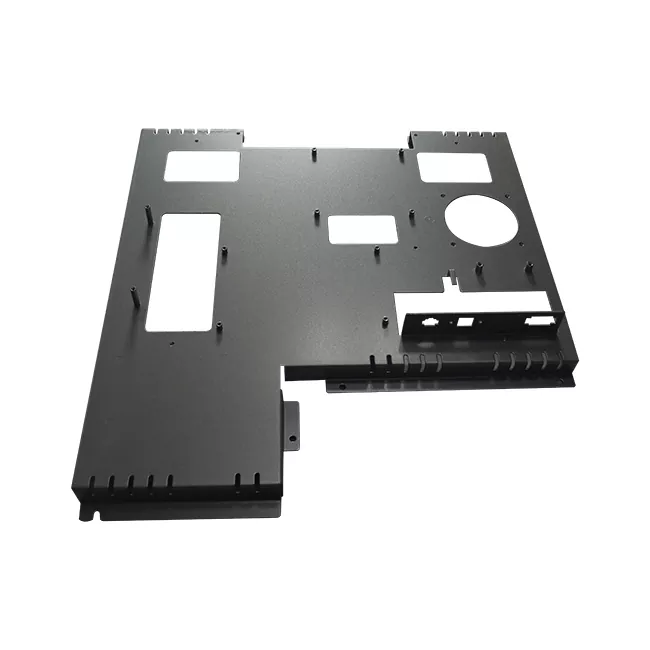
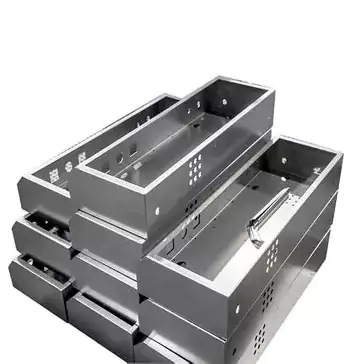
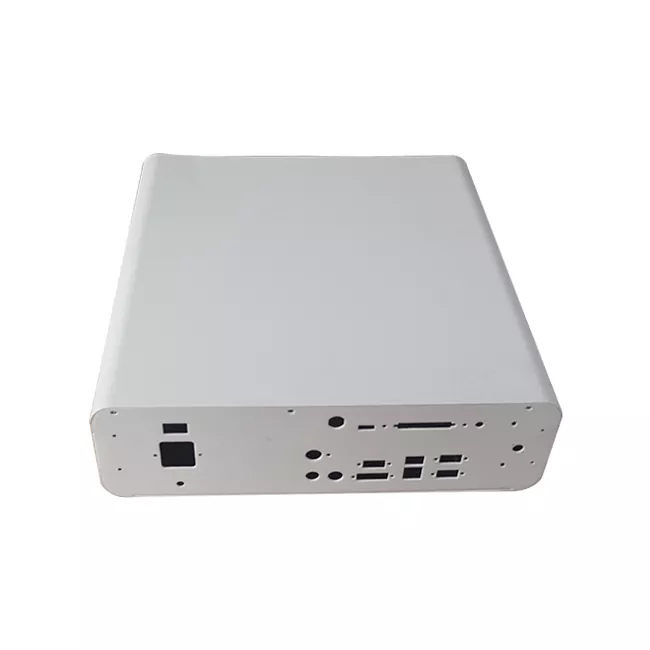
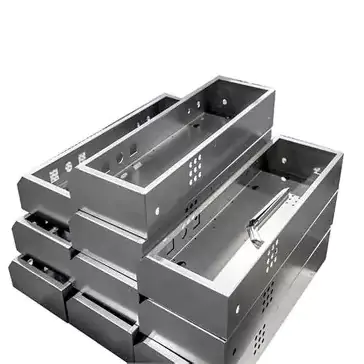
Curved sheet metal refers to flat metal sheets that are plastically deformed into controlled radii or complex curved geometries through mechanical forming processes. Unlike flat panels, curved configurations enhance load distribution, aerodynamic performance, and aesthetic continuity. These characteristics make curved sheet metal a foundational component in pressure vessels, enclosures, façades, ducts, automotive panels, and structural housings.
The core value of curved sheet metal lies in its ability to combine geometric flexibility with material strength. By introducing curvature, the metal gains improved stiffness without increasing thickness, enabling lighter structures while maintaining mechanical stability. This principle is particularly relevant in industries where weight reduction and durability are critical performance metrics.
From an engineering standpoint, curved sheet metal is not defined by appearance alone. It is governed by strict dimensional tolerances, bending radii, surface integrity, and residual stress control. These factors directly influence downstream assembly accuracy and long-term service life.
Accurate parameter definition is essential for ensuring manufacturability and functional consistency. Curved sheet metal specifications typically consider material grade, thickness, curvature radius, forming method, and surface treatment. These parameters are selected based on load conditions, environmental exposure, and regulatory standards.
| Parameter | Typical Range | Technical Significance |
|---|---|---|
| Material Type | Carbon Steel, Stainless Steel, Aluminum Alloy | Determines corrosion resistance, strength, and formability |
| Thickness | 0.5 mm – 12 mm | Affects bending force, rigidity, and weight |
| Curvature Radius | R10 mm – R3000 mm | Defines structural behavior and forming feasibility |
| Dimensional Tolerance | ±0.2 mm – ±1.0 mm | Ensures assembly compatibility |
| Surface Finish | Mill Finish, Brushed, Coated | Supports durability and visual requirements |
Parameter optimization balances design intent with manufacturing constraints. Excessively tight radii or thin gauges may increase forming complexity, while oversized tolerances can compromise performance. Therefore, specification development is typically a collaborative process between designers and fabricators.
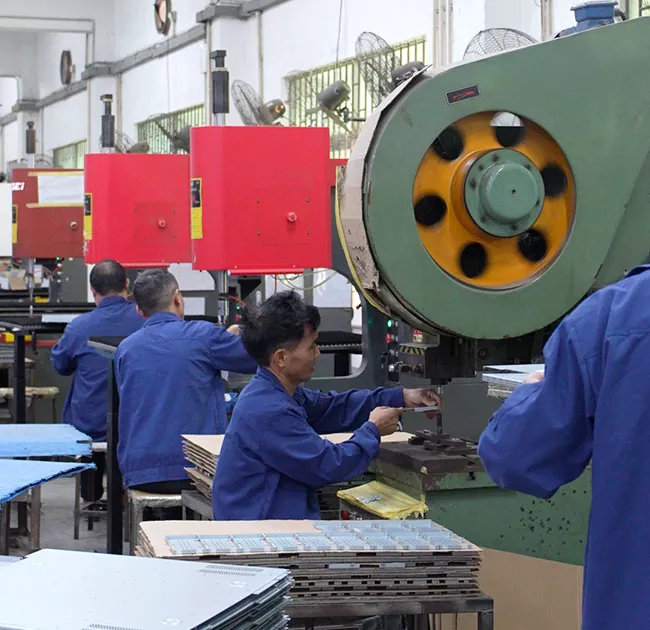
Curved sheet metal fabrication relies on controlled deformation rather than material removal. Common forming techniques include roll bending, press brake bending, stretch forming, and incremental forming. Each method serves different curvature profiles and production volumes.
Roll bending is frequently applied for cylindrical or conical shapes, using adjustable rollers to progressively introduce curvature. Press brake bending is suitable for segmented curves, while stretch forming enables smooth, continuous contours with minimal springback.
Quality control is integral throughout fabrication. Dimensional inspection verifies radius accuracy, while surface evaluation identifies micro-cracks or distortion. Residual stress management is also critical, as uneven stress distribution can lead to deformation during service.
Curved Sheet Metal – Common Questions and Answers
Q: How does curvature affect the mechanical strength of sheet metal?
A: Curvature increases structural rigidity by redistributing applied loads along the arc, reducing localized stress concentrations and improving overall load-bearing capacity.
Q: How is springback managed during curved sheet metal forming?
A: Springback is controlled through overbending calculations, material-specific forming data, and process calibration, ensuring the final geometry meets design specifications.
Q: How can surface integrity be maintained during bending?
A: Surface integrity is preserved by selecting appropriate tooling radii, controlling forming speed, and applying protective films or lubrication during processing.
The evolution of curved sheet metal manufacturing is closely aligned with advancements in digital design and automation. Simulation-driven forming analysis allows engineers to predict deformation behavior before production, reducing trial iterations and material waste.
In addition, demand for customized geometries is accelerating the adoption of flexible forming systems capable of low-volume, high-precision output. Sustainability considerations are also influencing material selection, favoring recyclable alloys and energy-efficient processes.
As industries pursue integrated design solutions, curved sheet metal will continue to support modular construction, lightweight structures, and adaptive product architectures. Its relevance extends beyond traditional fabrication into advanced manufacturing ecosystems.
In practical manufacturing environments, reliable curved sheet metal solutions depend on experienced production partners. Xinyang provides precision-fabricated curved sheet metal tailored to industrial specifications, supporting consistent quality and scalable supply.
For detailed technical consultation or project evaluation, contact us to discuss curved sheet metal requirements and application objectives.