If you’ve ever dealt with warped panels, misaligned holes, inconsistent bends, or parts that only “fit” after a lot of rework, you already know the hidden cost of poor fabrication. This guide explains what Precision Sheet Metal Fabrication really means in day-to-day production, how it impacts assembly yield and product reliability, and how to qualify a supplier without getting lost. You’ll get a clear checklist for tolerances, materials, finishing, inspection, documentation, and communication—plus a simple way to compare quotes beyond price. Near the end, you’ll also see how manufacturers like Dongguan Xinyang Industrial Co., Ltd. typically support OEM teams that need stable quality at scale.

Customers usually don’t ask for Precision Sheet Metal Fabrication because it sounds nice. They ask for it after getting burned by problems that show up late—during assembly, final inspection, or worst of all, in the field. Here are the pain points that precision addresses most directly:
Precision isn’t about chasing perfection everywhere. It’s about controlling variation where it matters, so your assembly works without heroics and your product behaves consistently across thousands of units.
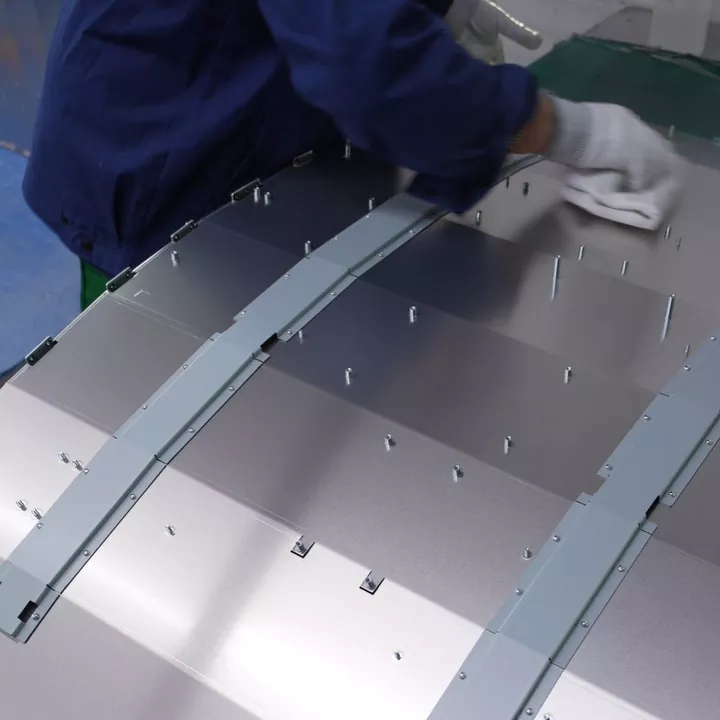
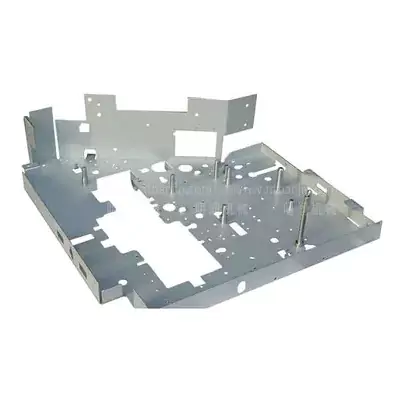
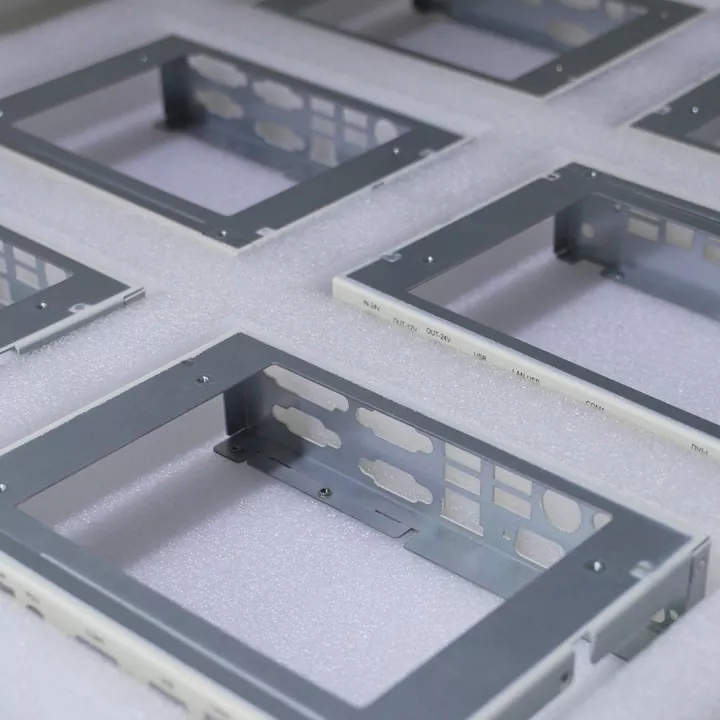
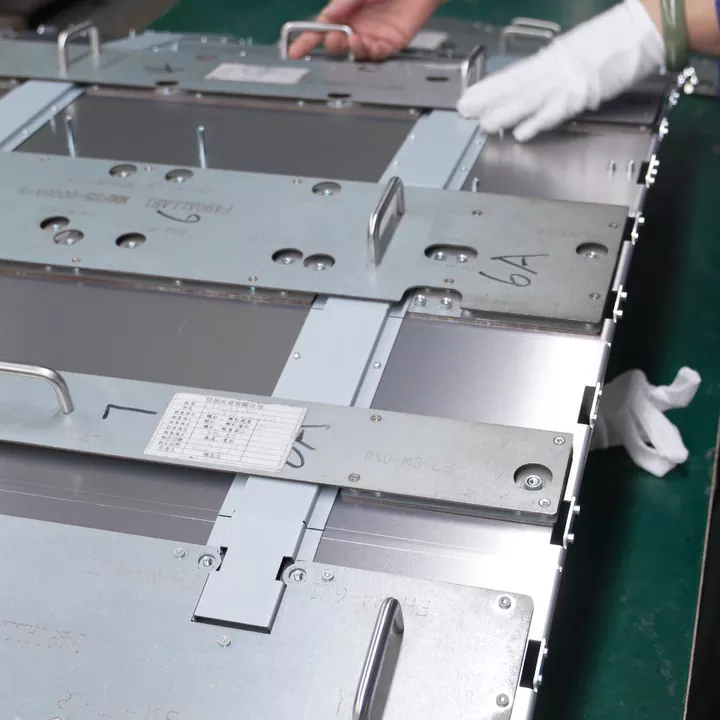
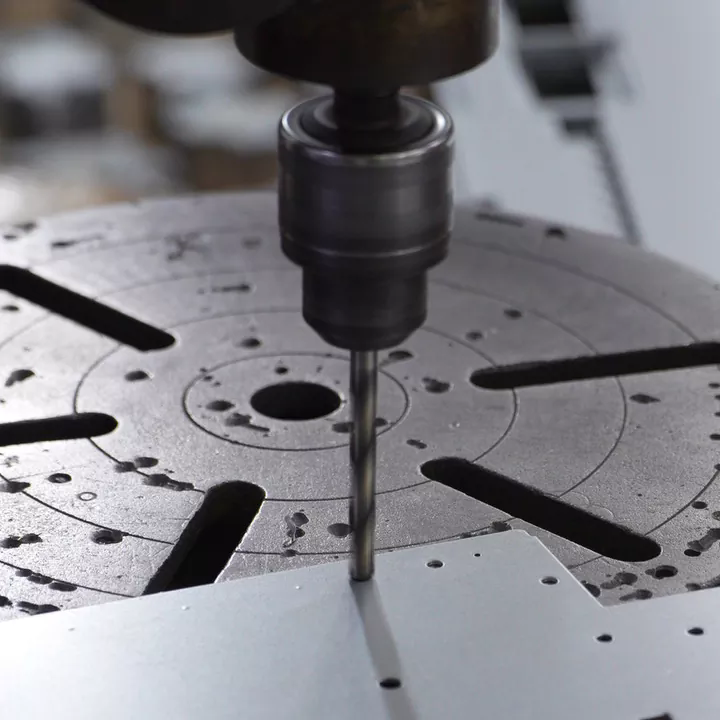
In practical terms, Precision Sheet Metal Fabrication is the ability to deliver parts that match the drawing consistently across time, operators, machines, and batches—with predictable fit, finish, and performance.
Precision usually includes four measurable outcomes:
A helpful mindset: your drawing is not the product—your assembly is. Precision should be defined around what your assembly needs to go together fast, pass inspection, and perform in real use.
Most “mystery” issues in sheet metal come from a few predictable sources. If you know where variation enters, you can ask smarter questions during supplier qualification and quoting.
A mature shop will talk about fixtures, standard work, calibration, and control plans. A weaker shop talks only about machines. Machines matter, but process discipline is what makes results predictable.
Material choice is often treated as a simple BOM line item. In reality, it influences cut quality, bend repeatability, weld behavior, corrosion performance, and even cosmetic appearance. To avoid surprises, treat material selection as a performance decision.
Common material considerations:
If your product needs tight cosmetic standards, specify grain direction and protective film requirements. If your assembly needs grounding or EMI continuity, define which surfaces must remain conductive after finishing.
One of the fastest ways to waste money is to apply tight tolerances to every dimension “just in case.” The goal is to identify critical-to-function features and let everything else be reasonably manufacturable.
Focus your tight tolerances on:
Also clarify measurement method for sensitive features. For example, are you measuring formed dimensions “as formed” or after finishing? Are hole positions referenced to datums or edges? Good suppliers will align inspection to functional intent rather than guessing.
Precision and cost aren’t enemies—bad communication is. Many projects overspend because the drawing forces complicated setups that don’t improve function. Smart DFM can reduce lead time and scrap while keeping performance intact.
High-impact DFM improvements often include:
A strong fabrication partner will propose DFM with clear reasoning and documented changes—never “silent edits.” That’s a major E-E-A-T signal: expertise plus traceable decision-making.
You don’t need a mountain of paperwork. You need the right evidence that the supplier can control your risks. When evaluating Precision Sheet Metal Fabrication, these are practical, high-value items to request:
Tip: If your product is safety- or compliance-sensitive, ask how the supplier aligns to industry expectations (for example, documentation control, inspection equipment calibration, and revision management). You don’t need them to claim a specific certification unless your program requires it—you need them to demonstrate disciplined execution.
Quotes can look similar until production starts. Use this table to compare suppliers based on risk, not just unit price. You can copy this into your sourcing template and score each supplier.
| Evaluation Area | What to Look For | Red Flags | Why It Matters |
|---|---|---|---|
| Tolerance Strategy | They ask about critical features and propose realistic capability | They accept everything without questions | Prevents late-stage fit failures and rework |
| DFM Support | Documented recommendations with revision control | Unannounced changes or vague “we’ll handle it” answers | Reduces cost without compromising function |
| Inspection Evidence | Clear FAI, measurement method, and sampling plan | No dimensional reports or inconsistent measurement approach | Ensures repeatability across batches |
| Finish Consistency | Defined pretreatment, masking, and cosmetic protection | Scratches, inconsistent coating, poor packaging | Protects brand perception and reduces cosmetic rejects |
| Communication | Fast clarification questions, clear lead times, structured updates | Slow replies, missing details, unclear ownership | Keeps schedules stable and prevents assumption-driven errors |

The best sourcing outcomes come from treating fabrication as a relationship, not a transaction. When a supplier understands your assembly intent, they can catch issues early and protect you from costly downstream failures.
Teams that evaluate partners such as Dongguan Xinyang Industrial Co., Ltd. often prioritize three things:
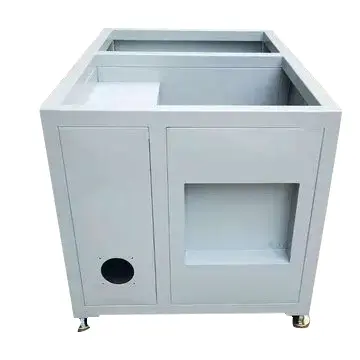
If you’re building enclosures, brackets, chassis, frames, or any assembly where fit and finish affect performance, Precision Sheet Metal Fabrication should be treated as a quality system challenge as much as a machining challenge. When you choose a partner who can explain their controls clearly, you’re buying fewer surprises.
Q: How do I know if I really need Precision Sheet Metal Fabrication?
A: If your parts must align with other components (fasteners, connectors, doors, seals, or mating frames), or if cosmetic appearance matters to the end customer, precision reduces rework and field failures. If your team is currently shimming, slotting holes, or “adjusting” parts during assembly, that’s a strong sign you need tighter process control.
Q: What information should I include when requesting a quote?
A: Provide drawing files, material specs, finish requirements, expected volume, target lead time, and any critical-to-function notes. If possible, describe how the part is used in the assembly so the supplier can suggest DFM changes that cut cost without increasing risk.
Q: Should I tighten every tolerance to avoid problems?
A: No. Over-tolerancing drives cost, reduces yield, and increases inspection burden. Tighten only the features that impact assembly, sealing, alignment, and performance. For the rest, use realistic tolerances and rely on good process control.
Q: How can I reduce cosmetic defects during shipping?
A: Ask for a defined packaging standard: protective film, separators, edge guards, and carton design based on part geometry. Many cosmetic issues happen after fabrication, so handling and packaging discipline is as important as the forming process.
Q: What is a reasonable way to validate quality early?
A: Request a first article inspection report tied to your revision, confirm measurement methods for critical features, and run a short pilot build to validate fit in the real assembly. This approach catches 80% of issues before full production.
If you want fewer assembly headaches, more predictable lead times, and parts that fit the first time, start by identifying your critical-to-function features and aligning your drawing, inspection plan, and finishing requirements around them. That’s the fastest path to dependable Precision Sheet Metal Fabrication without paying for unnecessary tightness everywhere.
Ready to turn your drawings into consistent, production-ready parts with less rework and fewer surprises? Share your specs and build goals, and we’ll help you evaluate the best path forward—contact us to start a practical quote and DFM review.