Article Summary:
Curved sheet metal plays a critical role in modern manufacturing, construction, automotive engineering, and industrial equipment design. This article explains how curved sheet metal is formed, its advantages, common manufacturing methods, design considerations, and real-world applications. It also highlights key challenges customers face and how to overcome them with proper engineering solutions provided by Xinyang.
This article is structured to guide you from foundational understanding to advanced industrial applications of curved sheet metal. It includes:
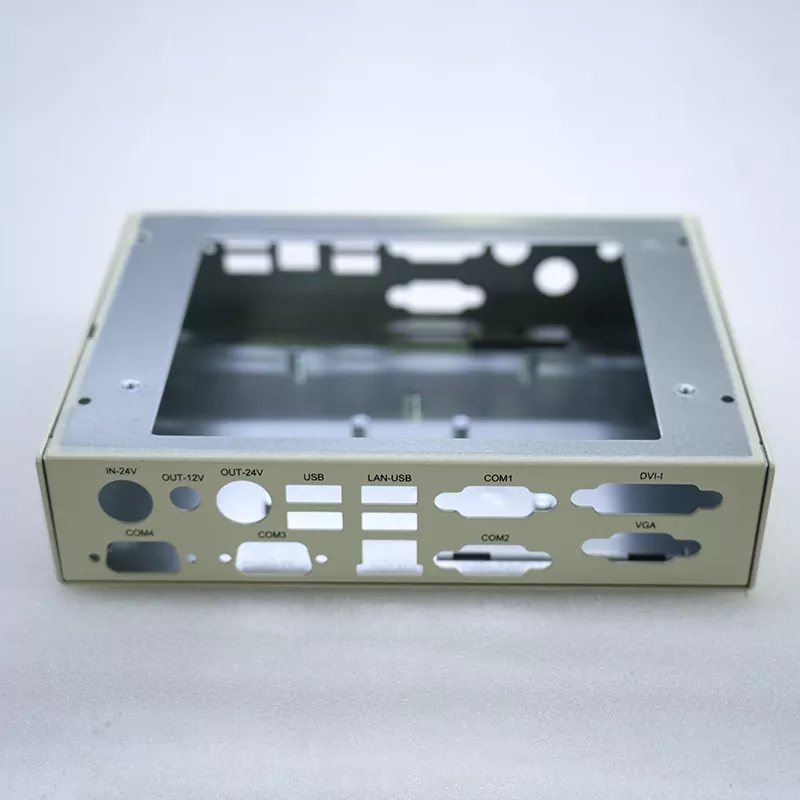
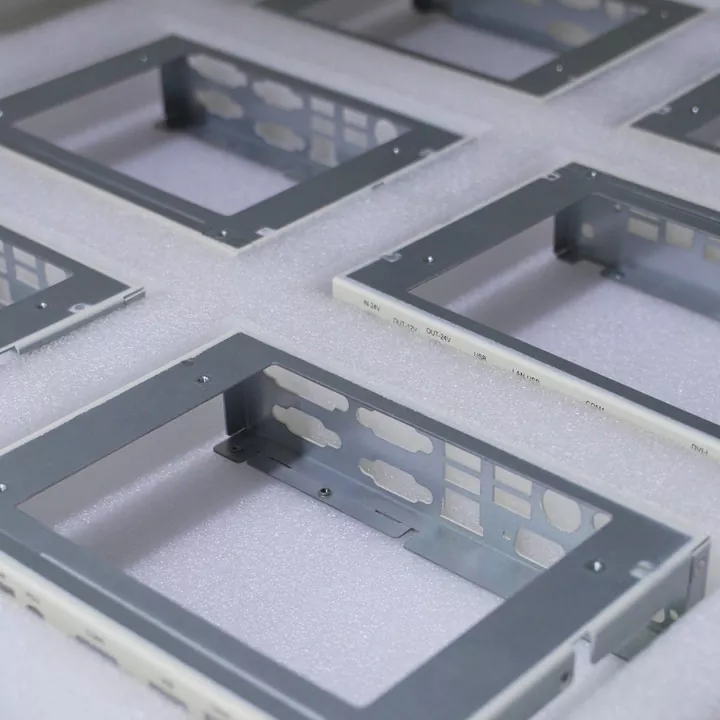
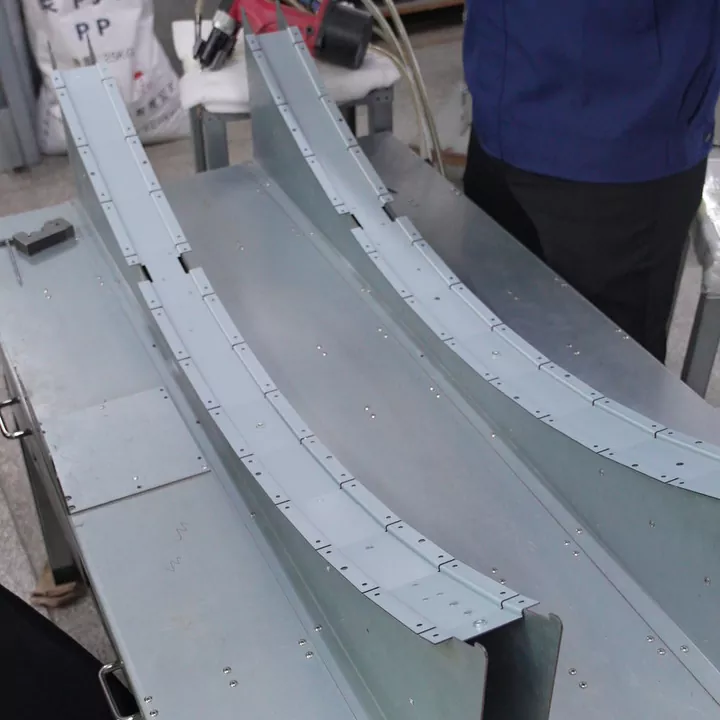
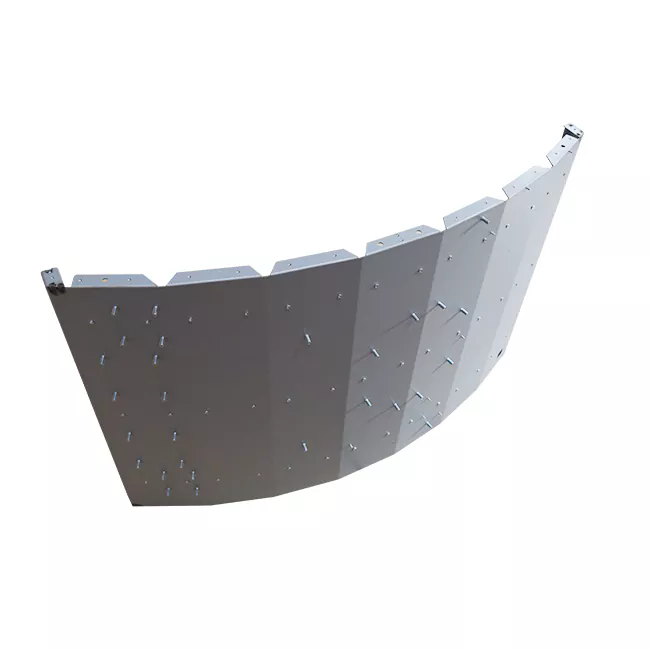
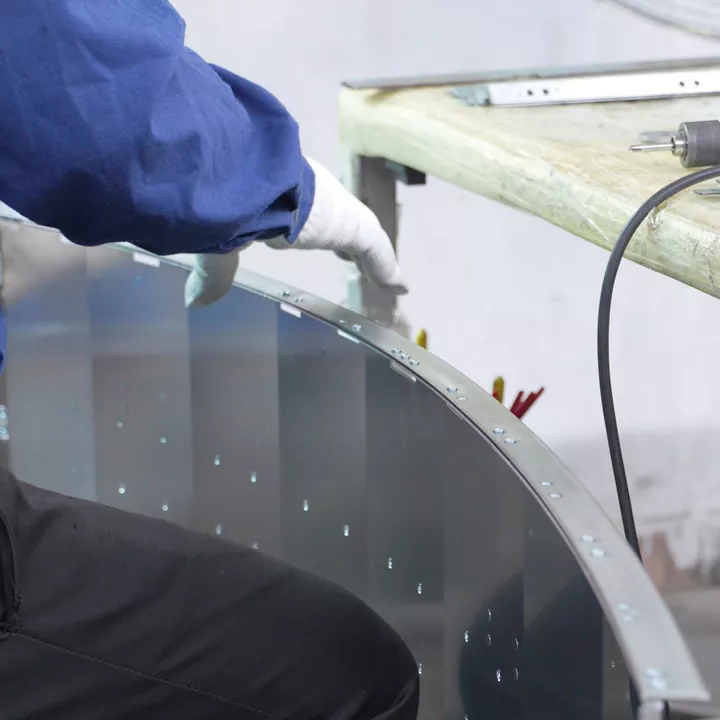
Curved sheet metal refers to metal sheets that have been intentionally deformed into non-flat geometries such as arcs, cylinders, cones, or complex freeform surfaces. These structures are widely used because they offer higher strength-to-weight ratios, improved load distribution, and enhanced design flexibility compared to flat sheets.
Industries such as aerospace, automotive, architecture, and energy systems depend heavily on curved sheet metal components for both functional and aesthetic purposes.
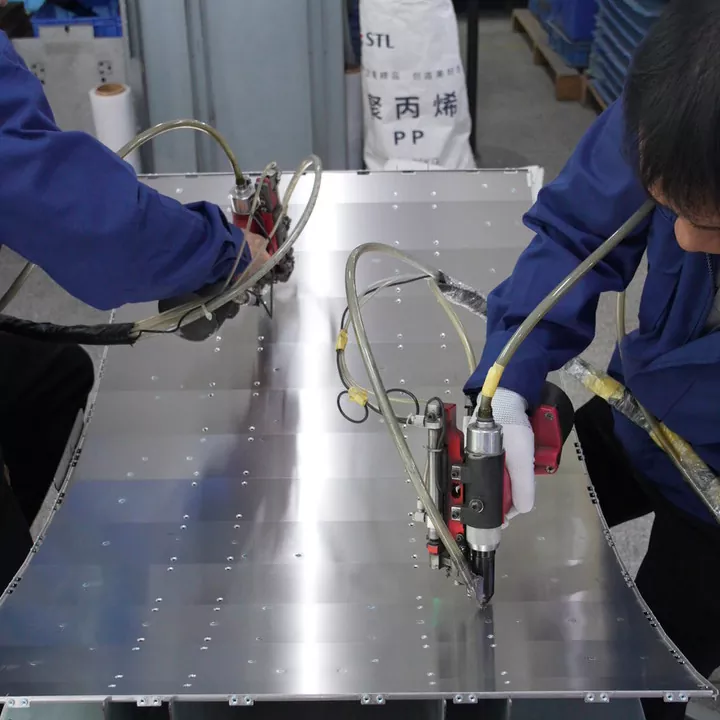
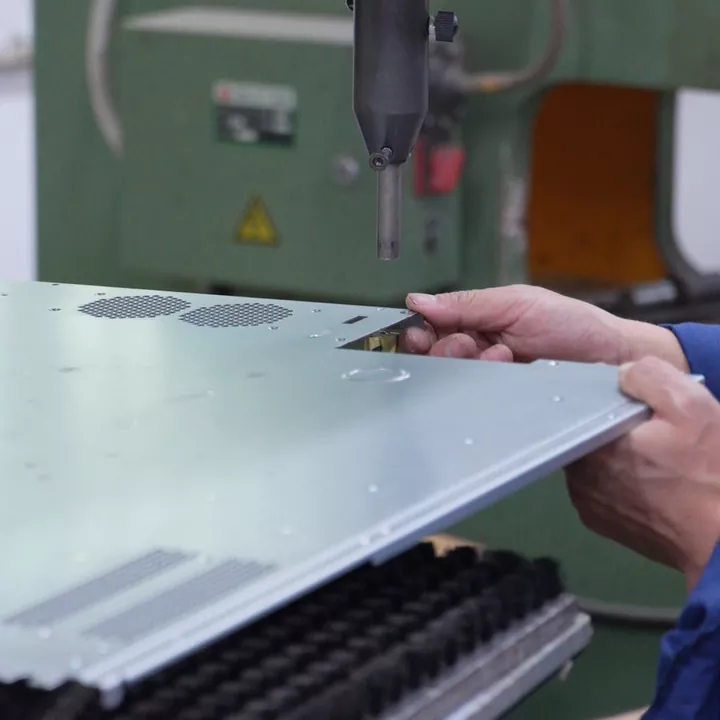
The manufacturing process of curved sheet metal is based on controlled plastic deformation. This means the material is shaped beyond its elastic limit without breaking. The process requires careful control of force, temperature (in some cases), and tooling geometry.
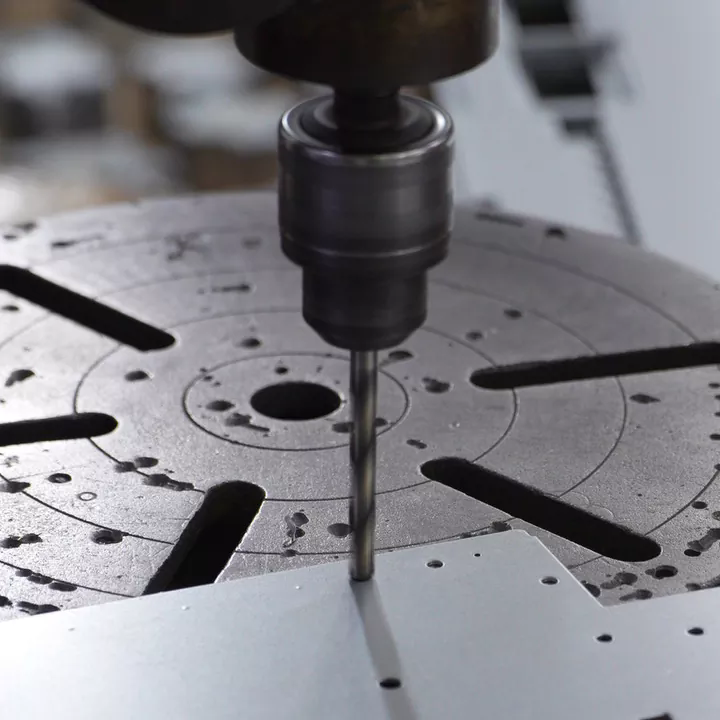
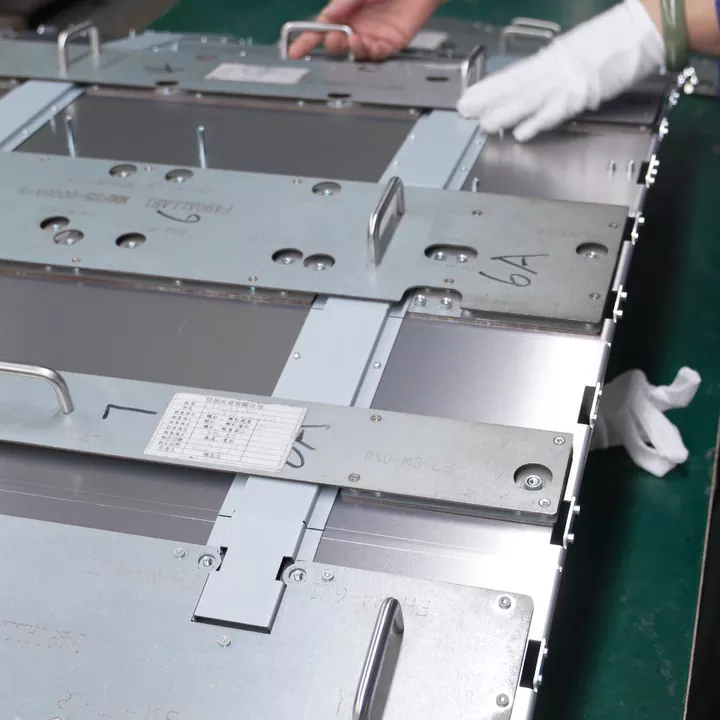
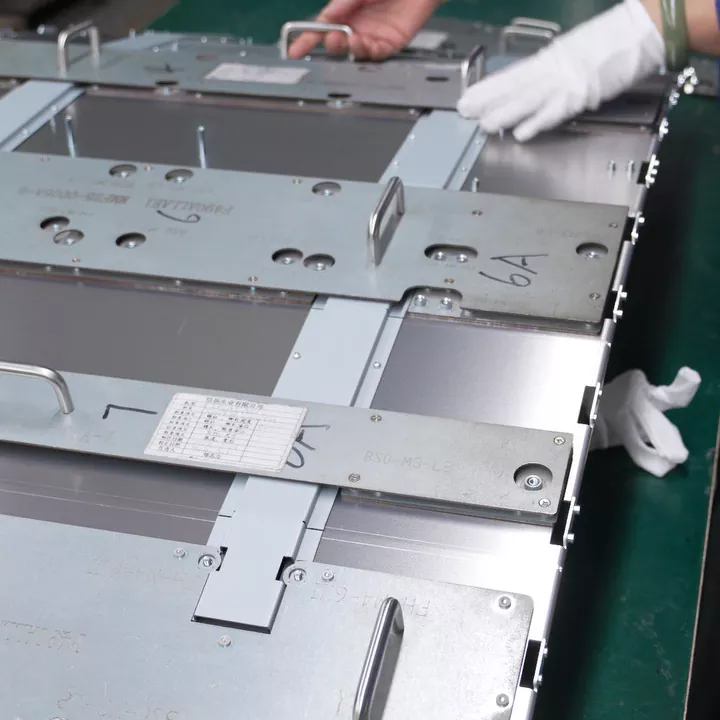
At Xinyang, advanced fabrication systems are used to ensure precise curvature, consistent tolerances, and minimal material stress distortion. The process typically includes:
Different forming techniques are used depending on curvature complexity, thickness, and application requirements.
Each method offers a balance between cost, precision, and scalability.
Curved sheet metal provides multiple engineering and commercial benefits:
Despite its advantages, curved sheet metal production introduces several technical challenges:
Xinyang addresses these challenges through:
Curved sheet metal is widely used across multiple industries:
| Method | Precision | Cost | Best Use Case |
|---|---|---|---|
| Roll Bending | Medium | Low | Large cylindrical parts |
| Press Brake | Medium-High | Medium | Segmented structures |
| Stretch Forming | Very High | High | Aerospace components |
| Hydroforming | High | High | Complex hollow shapes |
| Incremental Forming | Very High | Medium | Prototyping & custom parts |
Q1: What materials are commonly used for curved sheet metal?
Aluminum, stainless steel, carbon steel, and titanium are the most common due to their formability and strength.
Q2: Can curved sheet metal be customized?
Yes, Xinyang provides fully customized solutions based on industry requirements and design specifications.
Q3: What affects the cost of curved sheet metal production?
Material type, thickness, curvature complexity, and production method significantly influence cost.
Q4: Is curved sheet metal suitable for mass production?
Yes, especially when using roll bending or automated CNC forming systems.
Curved sheet metal is a foundational component in modern industrial engineering, offering unmatched flexibility, strength, and design potential. Understanding the forming process and selecting the right manufacturing method is essential for achieving optimal performance and cost efficiency.
With advanced engineering capabilities, Xinyang delivers high-precision curved sheet metal solutions tailored to demanding industrial applications. Whether for prototyping or large-scale production, technical expertise ensures consistent quality and reliability.
For customized solutions, specifications, or technical consultation, Xinyang welcomes your inquiry.
Contact us today to explore how Xinyang can support your curved sheet metal requirements and engineering projects.