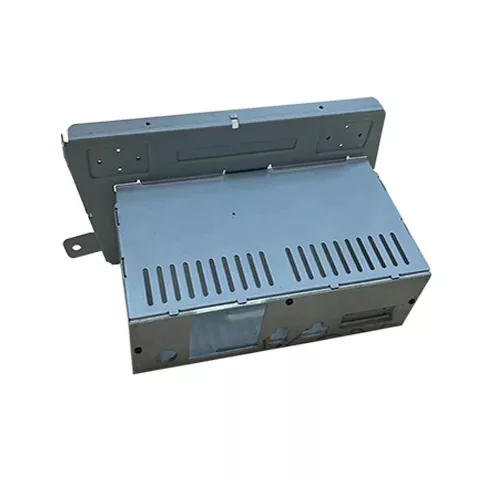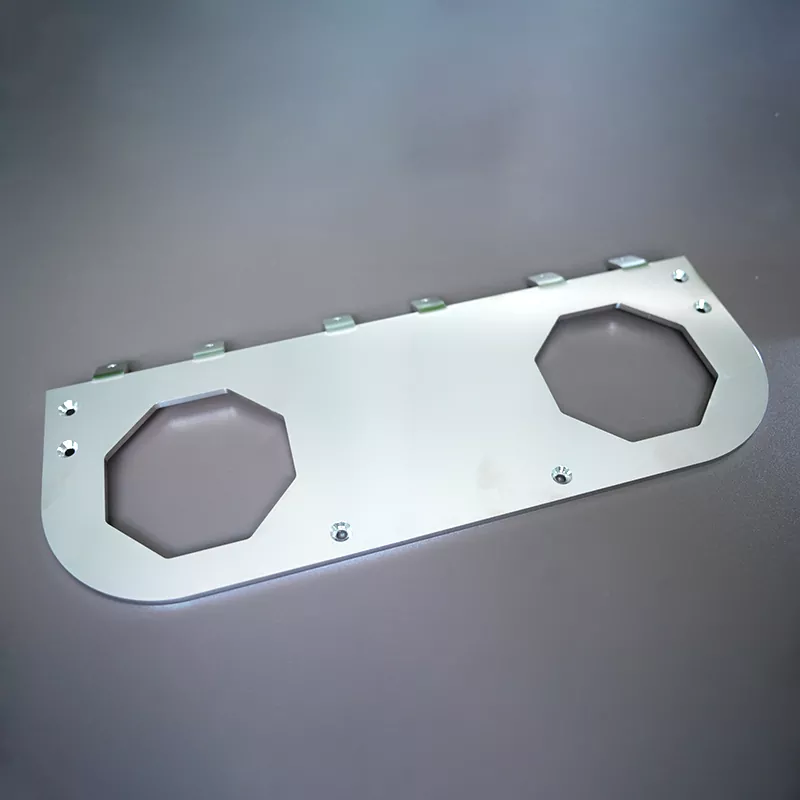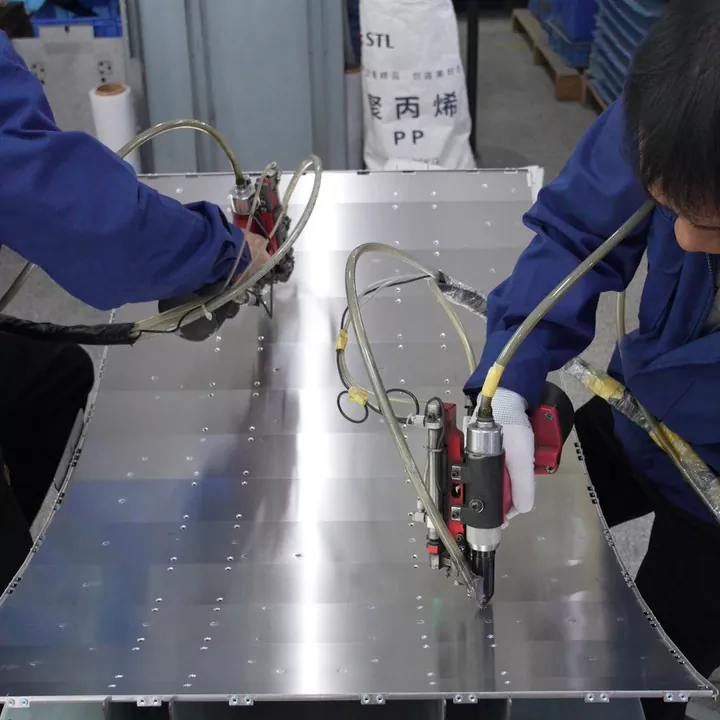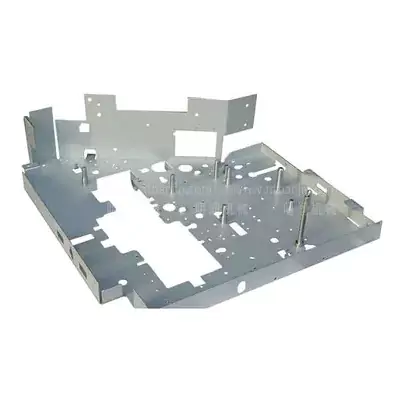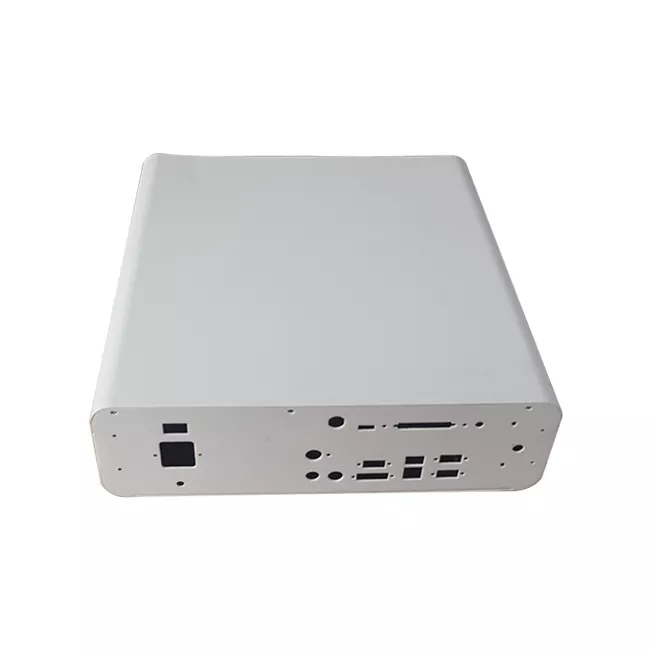
In modern manufacturing, product appearance, structural strength, and dimensional accuracy have become critical factors in market competitiveness. Industries such as electronics, medical equipment, automotive systems, telecommunications, aerospace, and industrial machinery increasingly rely on complex curved metal components to achieve superior functionality and aesthetics.
Precision curved sheet metal fabrication enables manufacturers to create highly accurate curved surfaces, smooth contours, and structurally optimized components while maintaining tight tolerances. Whether for enclosures, brackets, panels, housings, or customized industrial parts, precision curved sheet metal helps businesses improve product quality, reduce assembly challenges, and enhance overall production efficiency.
This article explores how precision curved sheet metal fabrication works, its advantages, applications, common challenges, and how selecting an experienced manufacturing partner like Xinyang can help businesses achieve reliable and cost-effective production outcomes.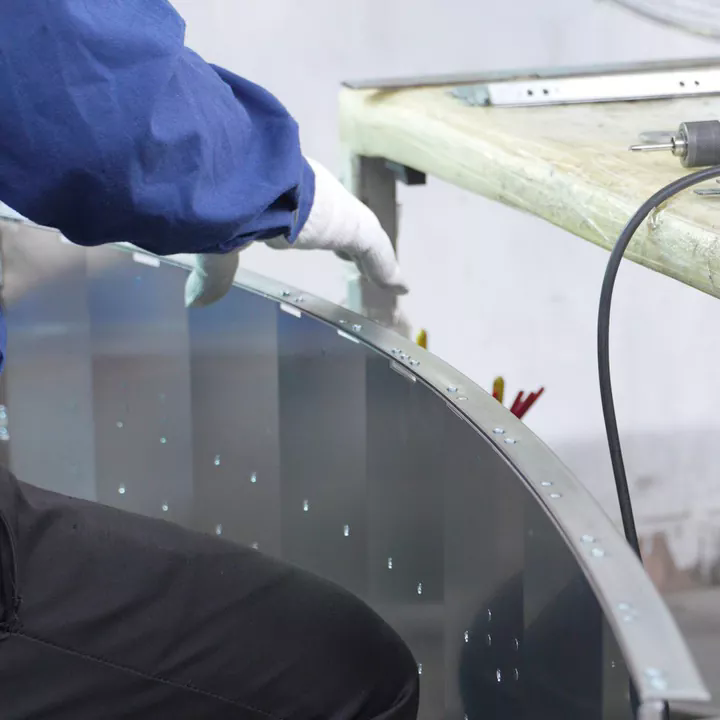
Precision curved sheet metal refers to metal components that are formed into specific curved geometries through advanced fabrication processes while maintaining strict dimensional tolerances. Unlike standard flat sheet metal parts, curved sheet metal components require specialized equipment and engineering expertise to ensure consistency, strength, and visual quality.
The manufacturing process involves transforming flat metal sheets into customized curved structures using technologies such as:
These fabrication methods allow manufacturers to produce complex curves, cylindrical shapes, conical structures, and custom profiles that meet exact design specifications.
As product designs become increasingly sophisticated, traditional flat metal structures often cannot satisfy modern engineering requirements. Curved sheet metal provides significant advantages in both functionality and aesthetics.
Many manufacturers choose curved metal designs because they:
In competitive industries, even small improvements in performance and appearance can significantly influence customer satisfaction and product value.
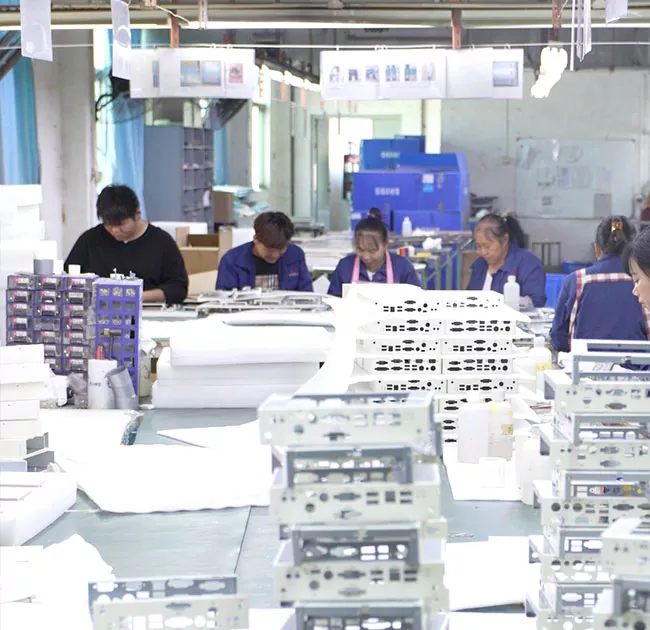
Producing high-quality curved sheet metal requires a combination of advanced equipment, skilled technicians, and rigorous quality control procedures.
The process begins with detailed CAD modeling and engineering analysis. Designers evaluate bending radii, material properties, stress distribution, and manufacturing feasibility before production starts.
Selecting the right material is essential because different metals react differently during forming processes. Material thickness, hardness, and ductility all affect the final outcome.
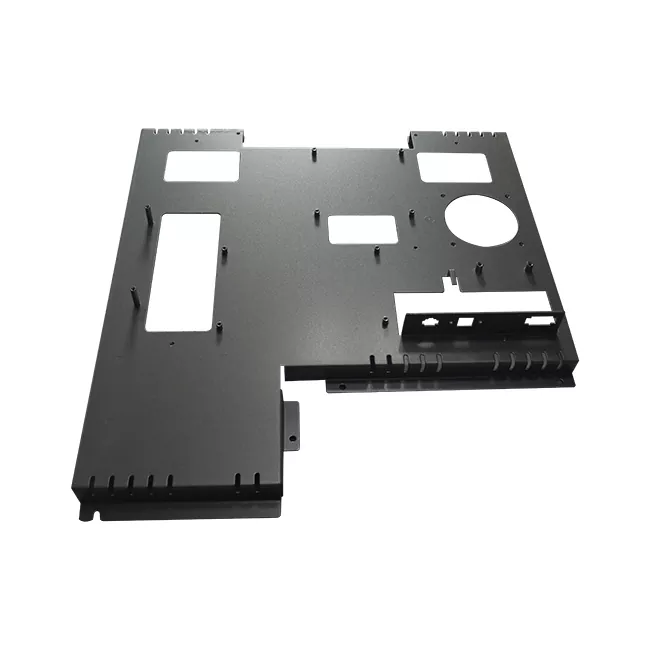
Laser cutting or CNC punching is used to create highly accurate blanks before forming operations begin.
Specialized forming equipment shapes the material into the desired curvature. Multiple forming stages may be required for complex geometries.
Components may undergo TIG welding, MIG welding, spot welding, or robotic welding depending on application requirements.
Surface treatments improve appearance, corrosion resistance, and durability.
Advanced measurement systems verify dimensional accuracy and ensure every component meets customer specifications.
| Advantage | Benefit |
|---|---|
| Higher Structural Strength | Curved designs distribute stress more effectively. |
| Weight Reduction | Improved strength-to-weight ratio compared to flat structures. |
| Enhanced Appearance | Smooth contours create premium-looking products. |
| Better Aerodynamics | Reduced drag and improved airflow performance. |
| Space Optimization | Curved designs fit complex installation environments. |
| Customization Flexibility | Supports highly specialized product designs. |
| Improved Durability | Reduced stress concentration improves longevity. |
These benefits explain why curved sheet metal has become a preferred solution across numerous high-performance industries.
Precision curved sheet metal is widely used in a variety of sectors where accuracy, appearance, and structural performance are essential.
| Industry | Typical Applications |
|---|---|
| Automotive | Body panels, covers, battery housings |
| Medical Equipment | Diagnostic equipment enclosures |
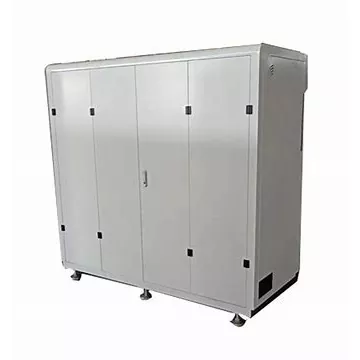
| Telecommunications | Network cabinets and protective housings |
| Aerospace | Structural components and interior panels |
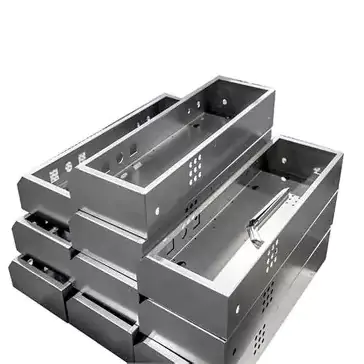
| Industrial Equipment | Machine guards and protective enclosures |
| Electronics | Consumer device casings and frames |
| Architectural Projects | Decorative metal facades and installations |
The growing demand for lightweight, durable, and visually appealing products continues to drive adoption across these industries.
Different materials offer unique performance characteristics depending on the intended application.
| Material | Main Advantages |
|---|---|
| Stainless Steel | Excellent corrosion resistance and strength |
| Aluminum | Lightweight and highly formable |
| Carbon Steel | Cost-effective and durable |
| Galvanized Steel | Improved corrosion protection |
| Copper | Excellent conductivity and appearance |
| Brass | Decorative applications and corrosion resistance |
Material selection should always align with environmental conditions, structural requirements, and project budgets.
Although curved sheet metal offers numerous benefits, manufacturers often encounter several production challenges:
Addressing these challenges requires advanced machinery, experienced engineers, and comprehensive quality control systems.
Selecting an experienced fabrication supplier plays a crucial role in project success. Businesses should evaluate potential partners based on the following criteria:
An experienced manufacturer can help optimize designs, reduce production costs, and ensure consistent product quality throughout the entire manufacturing process.
| Factor | Precision Curved Sheet Metal | Traditional Flat Sheet Metal |
|---|---|---|
| Structural Strength | Higher | Moderate |
| Appearance | Premium and modern | Basic design |
| Weight Efficiency | Excellent | Average |
| Design Flexibility | Very High | Limited |
| Aerodynamic Performance | Superior | Limited |
| Manufacturing Complexity | Higher | Lower |
| Customization Potential | Extensive | Moderate |
Tolerance levels vary depending on material type, thickness, and geometry. Modern CNC fabrication equipment can achieve extremely tight dimensional control suitable for demanding industrial applications.
Yes. Precision curved sheet metal is highly customizable and can be manufactured according to specific dimensions, shapes, and performance requirements.
The best material depends on the application. Aluminum is preferred for lightweight designs, while stainless steel offers excellent strength and corrosion resistance.
Absolutely. Once tooling and manufacturing processes are optimized, curved sheet metal components can be produced efficiently in large quantities.
Curved structures often provide greater strength, improved load distribution, enhanced aesthetics, and better use of available space compared to flat components.
Precision curved sheet metal has become an essential manufacturing solution for companies seeking stronger, lighter, and more visually appealing products. Through advanced forming technologies, precise engineering, and rigorous quality control, manufacturers can create complex curved components that deliver exceptional performance across a wide range of industries.
From automotive and aerospace applications to medical devices and industrial equipment, precision curved sheet metal helps improve structural integrity, optimize product design, and increase manufacturing efficiency. Partnering with a skilled fabrication expert ensures consistent quality, reliable production, and long-term value.
Xinyang specializes in high-quality precision curved sheet metal fabrication, offering customized solutions, advanced manufacturing capabilities, strict quality control, and responsive engineering support for customers worldwide. If you are looking for reliable curved sheet metal components that meet demanding performance and design requirements, contact us today to discuss your project and discover how Xinyang can help turn your ideas into precision-engineered products.