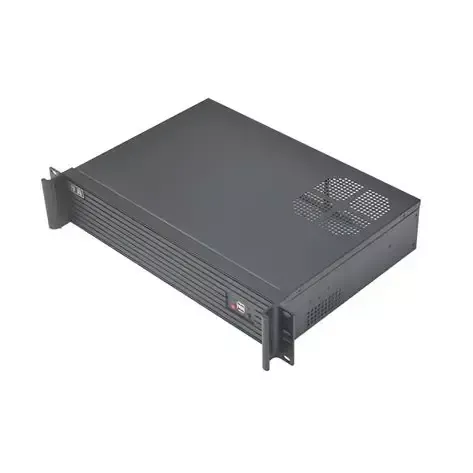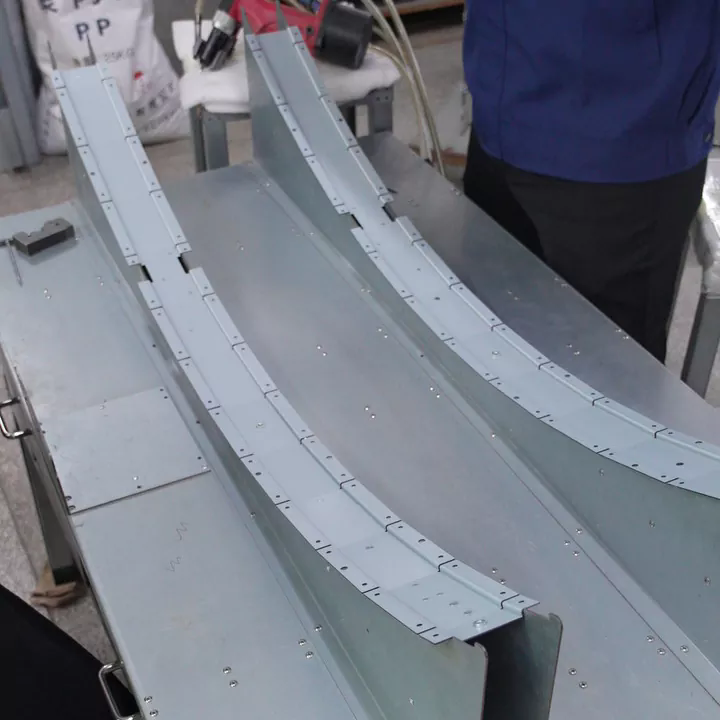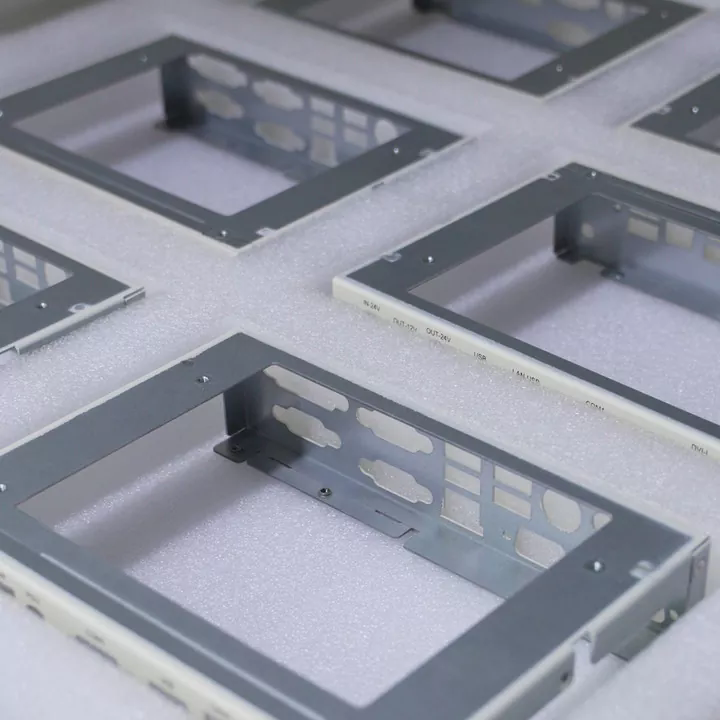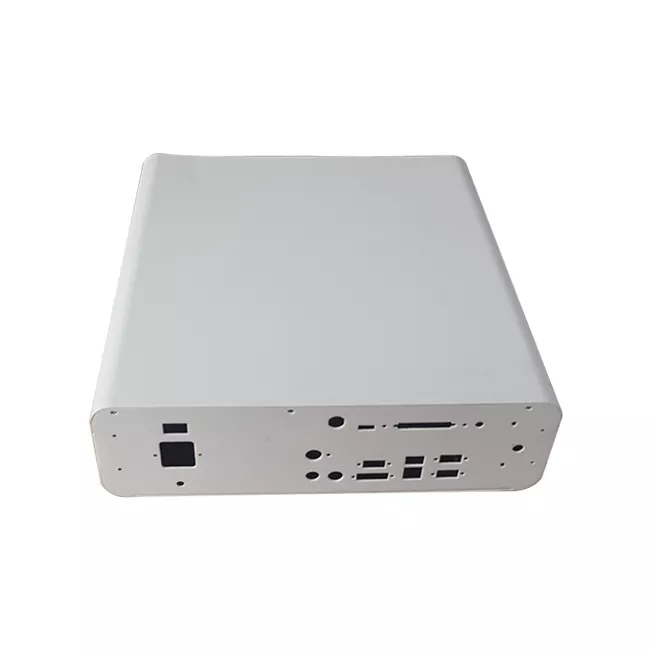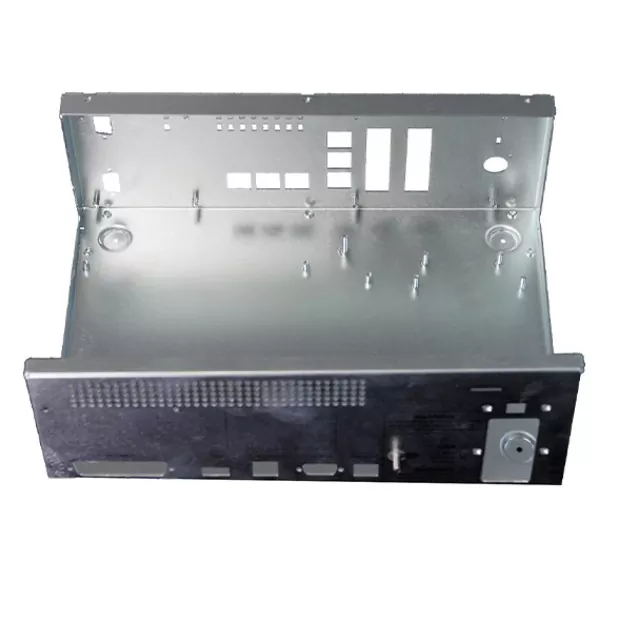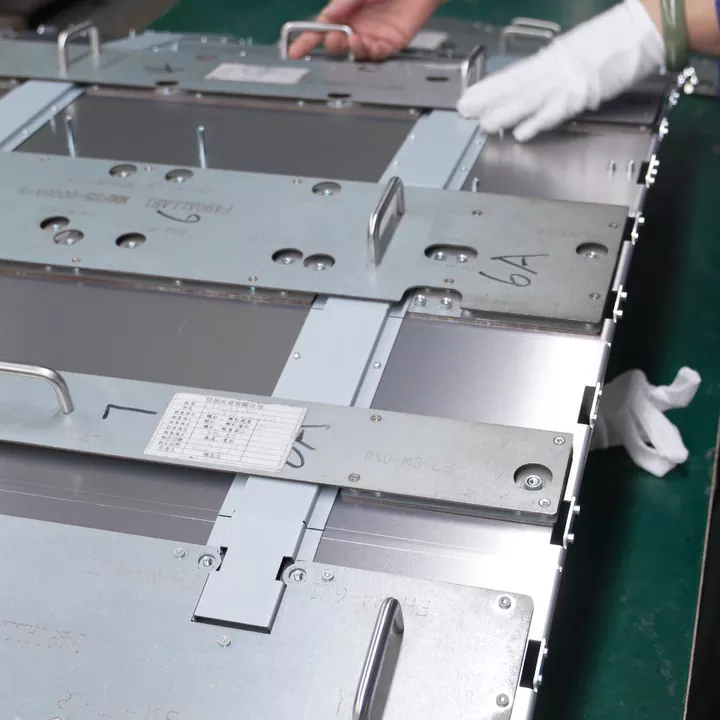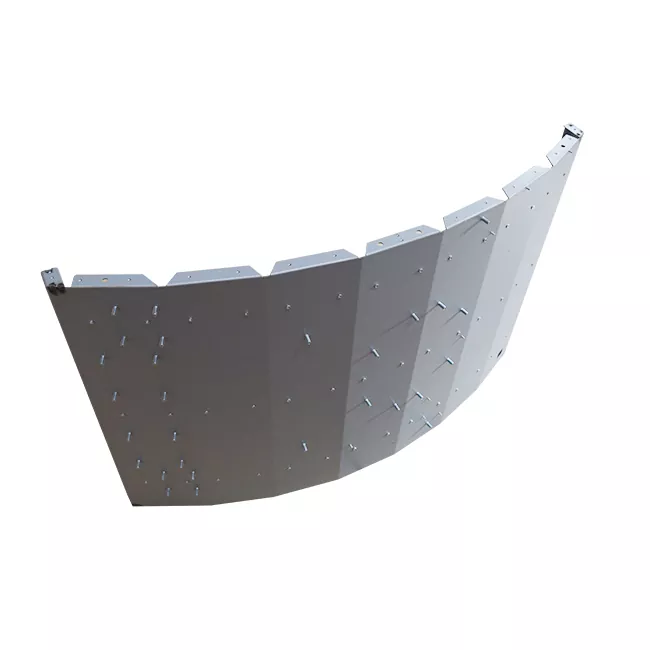
Abstract: CNC Sheet Metal Manufacturing is a highly precise, automated fabrication process that transforms flat metal sheets into complex structural components used across industries such as automotive, aerospace, electronics, construction, and machinery. This article explains the complete workflow, technologies, materials, advantages, challenges, and quality considerations involved in CNC sheet metal production. It also highlights how Xinyang delivers reliable and cost-efficient manufacturing solutions to address common customer pain points such as inconsistent quality, long lead times, and design limitations.

CNC Sheet Metal Manufacturing refers to the use of computer numerical control systems to automate the cutting, bending, punching, and forming of metal sheets into finished components. Compared with traditional manual fabrication methods, CNC-based processes provide significantly higher accuracy, repeatability, and production efficiency.
Modern industries rely heavily on CNC sheet metal fabrication to produce parts with tight tolerances and complex geometries. As global demand increases, manufacturers like Xinyang focus on improving production stability while reducing cost and lead time.
CNC Sheet Metal Manufacturing is a subtractive and forming-based production method controlled by digital programming. CAD (Computer-Aided Design) and CAM (Computer-Aided Manufacturing) software are used to convert engineering drawings into machine instructions.
The process enables manufacturers to produce components with high precision, often within tolerances of ±0.1mm or better depending on equipment capability.
The effectiveness of CNC sheet metal manufacturing depends on advanced machinery and digital systems.
| Technology | Function | Benefit |
|---|---|---|
| CNC Laser Cutting | High-precision cutting of sheet metal using laser beam | Clean edges, minimal material waste |
| CNC Punching | Creates holes and shapes using mechanical force | High-speed mass production |
| CNC Bending | Forms metal sheets into angles and structures | Consistent geometry and repeatability |
| CAD/CAM Software | Digital design and machine instruction generation | Reduces human error and improves efficiency |
At Xinyang, integrated digital workflows ensure seamless transition from design to production.
The CNC sheet metal manufacturing process follows a structured sequence to ensure accuracy and efficiency.
Material selection plays a critical role in product durability, performance, and cost efficiency.
| Material | Characteristics | Typical Applications |
|---|---|---|
| Stainless Steel | Corrosion-resistant, strong | Medical equipment, food processing |
| Carbon Steel | High strength, cost-effective | Construction, machinery parts |
| Aluminum | Lightweight, corrosion-resistant | Aerospace, electronics |
| Copper | Excellent conductivity | Electrical systems |
Xinyang assists clients in selecting the most suitable material based on performance requirements and budget constraints.
These advantages make CNC sheet metal manufacturing the preferred choice for industries requiring consistent quality and high efficiency.
Despite its advantages, CNC sheet metal manufacturing faces several challenges:
Solutions implemented by Xinyang include:
CNC sheet metal components are widely used across multiple sectors:
Quality assurance is a critical component in CNC manufacturing. Manufacturers must ensure dimensional accuracy, surface integrity, and structural consistency.
Xinyang implements strict inspection protocols at every production stage to ensure compliance with international standards.
Xinyang is a professional provider of CNC sheet metal manufacturing services with a strong focus on precision engineering, production efficiency, and customer satisfaction.
By combining engineering expertise with modern production capabilities, Xinyang delivers reliable solutions for global clients across different industries.
Q1: What is the typical tolerance in CNC sheet metal manufacturing?
A: Most CNC processes achieve tolerances between ±0.1mm and ±0.5mm depending on material and machine capability.
Q2: What is the minimum order quantity?
A: It varies depending on project requirements. Xinyang supports both small batch prototypes and large-scale production.
Q3: How long does production usually take?
A: Lead time depends on complexity and quantity, typically ranging from a few days to several weeks.
Q4: Can custom designs be manufactured?
A: Yes, CNC systems are highly suitable for custom and complex geometries based on client drawings.
Q5: What industries benefit most from CNC sheet metal manufacturing?
A: Automotive, aerospace, electronics, construction, and industrial machinery sectors are the primary users.
CNC Sheet Metal Manufacturing plays a critical role in modern industrial production by offering precision, efficiency, and scalability. From design to final inspection, each stage is optimized to ensure high-quality output and cost efficiency.
With advanced equipment, experienced engineering support, and a commitment to quality, Xinyang continues to provide reliable CNC sheet metal manufacturing solutions that help clients overcome production challenges and achieve consistent results.
For customized solutions, technical consultation, or project support, contact us today and let Xinyang help you bring your designs into precision-engineered reality.