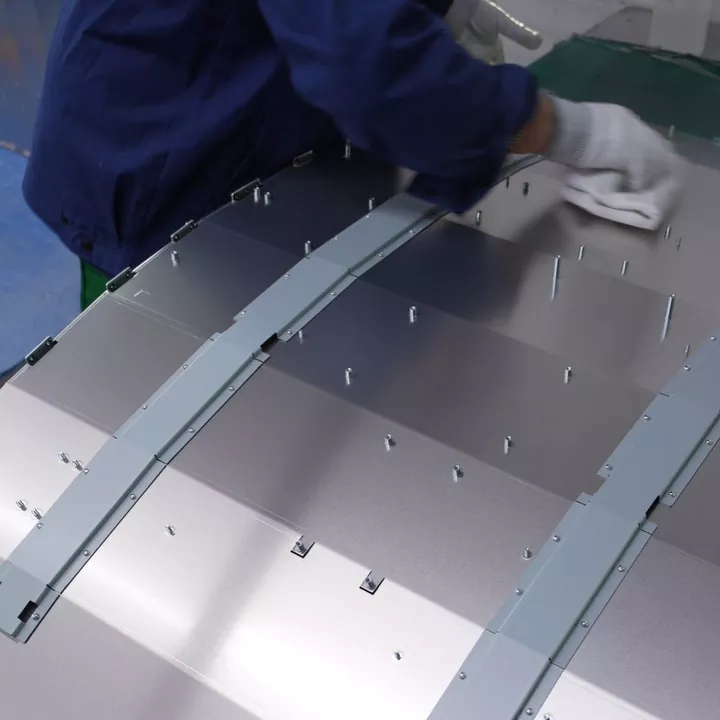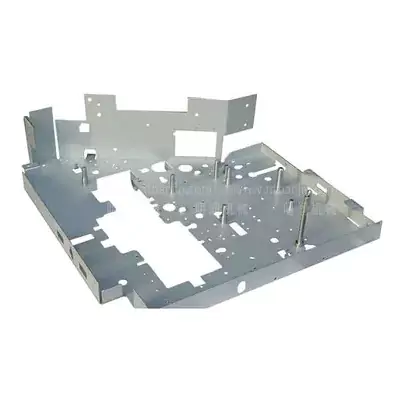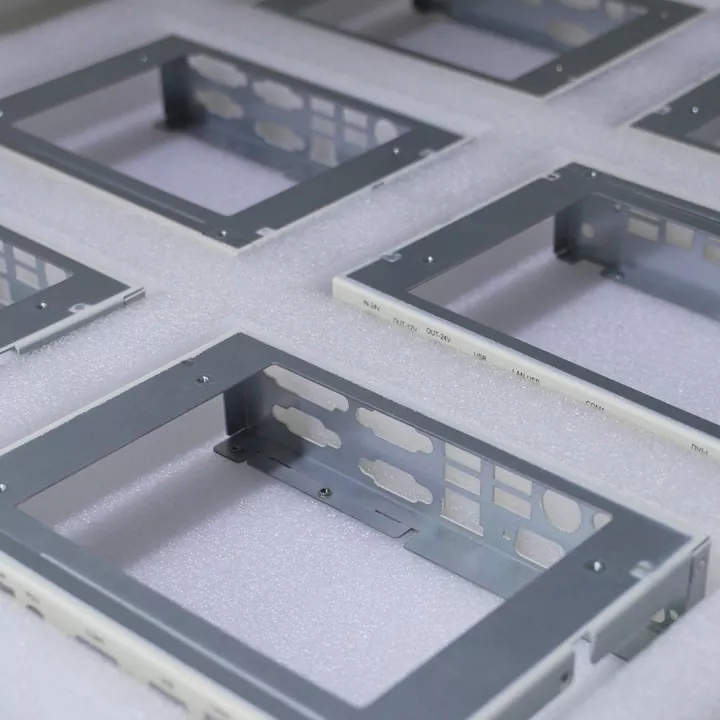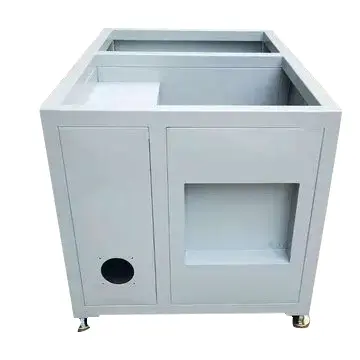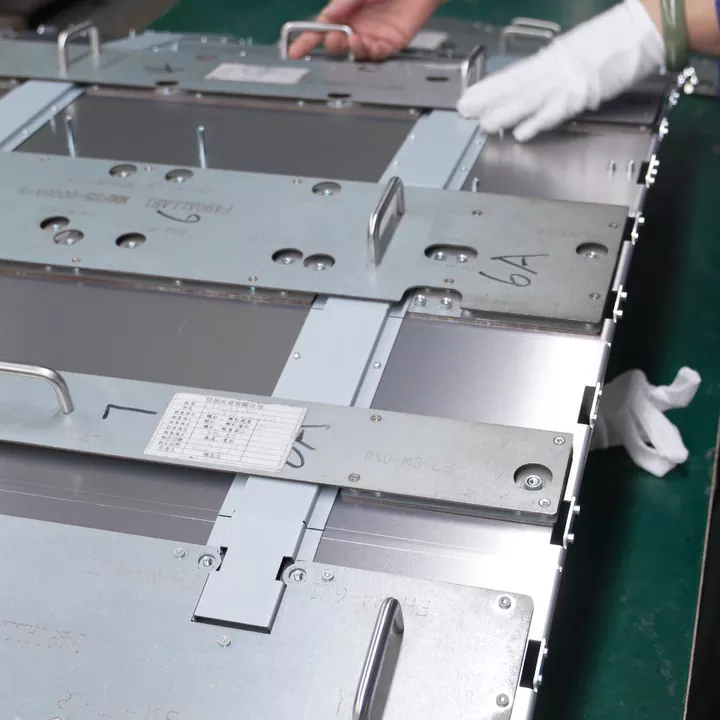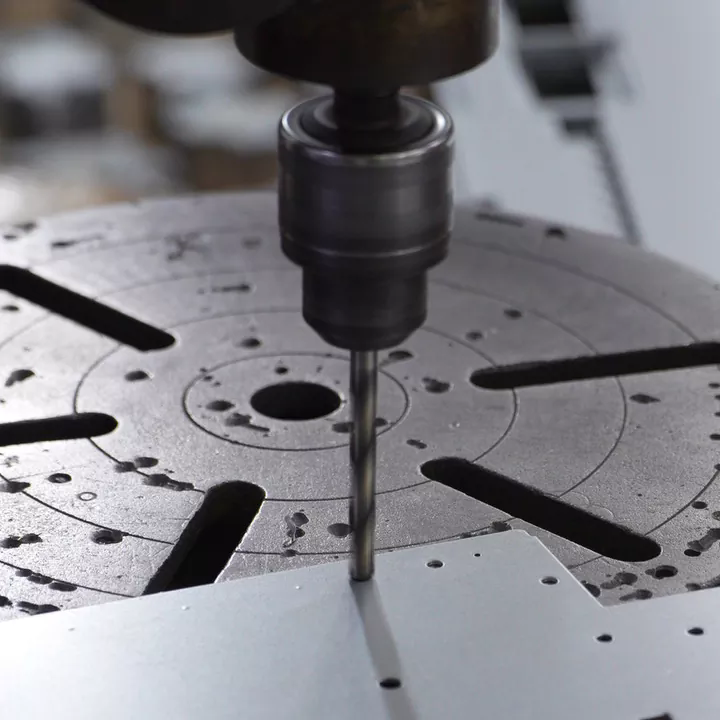
The push for lighter vehicles and aircraft is reshaping manufacturing priorities. Xinyang Precision Sheet Metal Fabrication supports this shift by helping create strong, lightweight metal structures with improved design flexibility and production accuracy.
Weight reduction has become one of the most important development directions in aerospace and automotive manufacturing. Every kilogram saved can influence fuel efficiency, energy consumption, operating costs, and overall system performance.
However, lightweighting does not simply mean using less material. Engineers need to find a balance between reducing weight and maintaining strength, safety, and durability. This challenge has increased attention toward advanced sheet metal processing methods that can create complex structures without adding unnecessary material.
In many applications, precision sheet metal components are replacing traditional heavier structures because they offer better control over shape, thickness, and assembly methods.
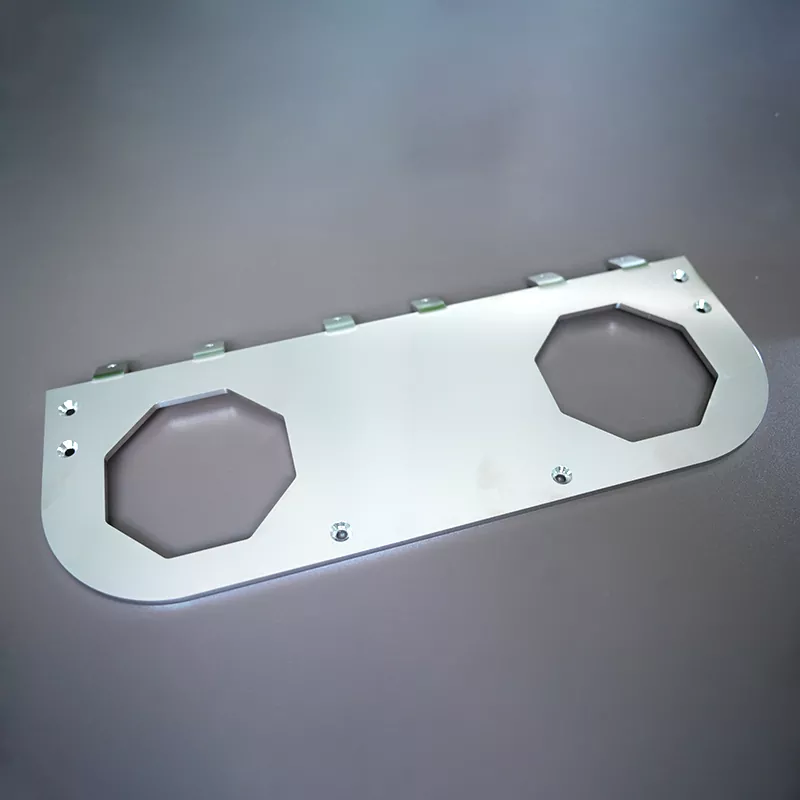
From vehicle body support parts and battery protection structures to aircraft interior systems and equipment brackets, Precision Sheet Metal Fabrication has become an important manufacturing approach for industries where weight and reliability must work together.
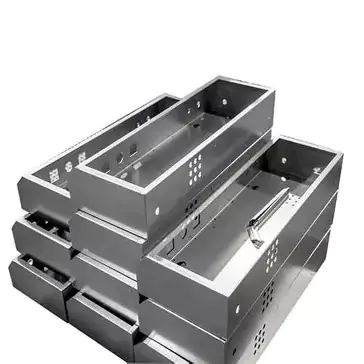
Traditional metal structures often relied on thicker materials to achieve strength. While this approach provides durability, it also increases weight and limits design flexibility.
Modern manufacturing focuses more on optimized structures. Instead of simply adding material, engineers use accurate cutting, forming, and joining processes to create components that achieve required performance with less unnecessary mass.
Sheet metal offers several advantages in lightweight applications:
| Advantage | Manufacturing Value |
|---|---|
| Flexible thickness selection | Helps balance strength and weight |
| High design adaptability | Supports complex structures |
| Efficient material usage | Reduces unnecessary material consumption |
| Precision processing | Improves assembly accuracy |
For aerospace and automotive applications, these advantages are especially important because small improvements in component weight can create significant system-level benefits.
Aerospace systems require components that are lightweight but capable of handling demanding conditions. Aircraft structures must maintain stability while reducing overall mass to improve efficiency.
Sheet metal fabrication is widely used for applications such as:
In these applications, dimensional accuracy is critical. Components must fit precisely within limited spaces while meeting strict structural requirements.
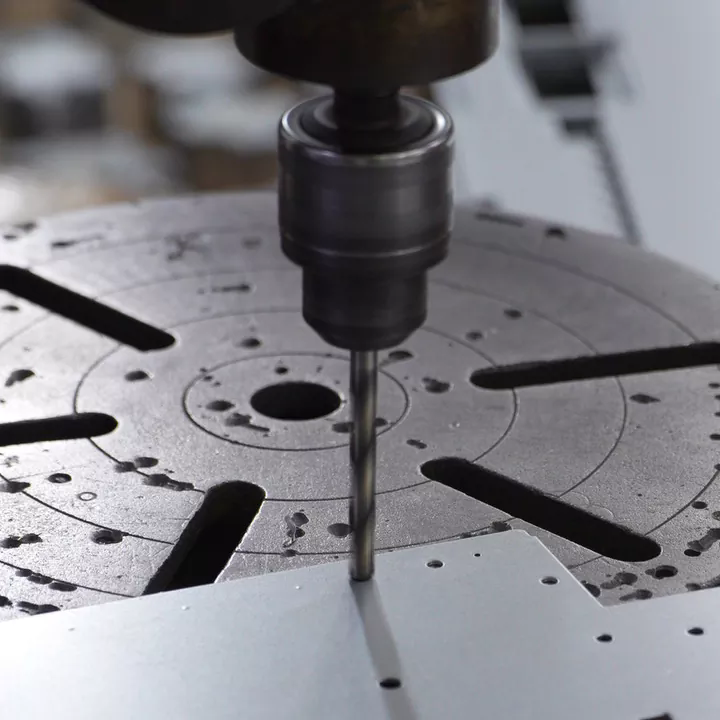
Advanced processing technologies such as laser cutting and CNC bending allow manufacturers to produce parts with consistent dimensions and complex geometries.
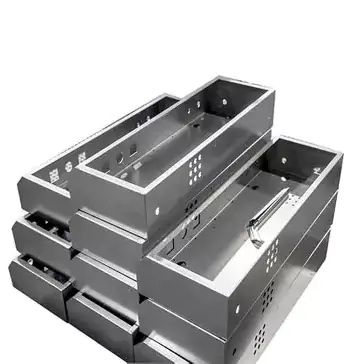
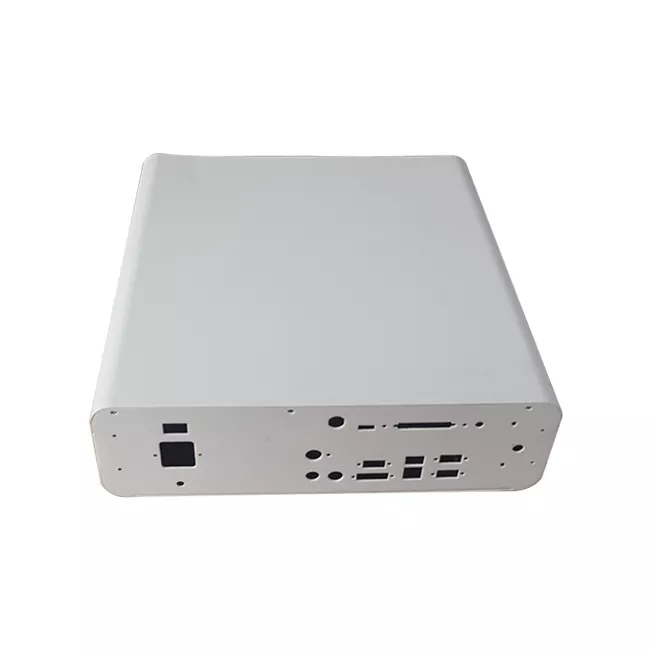
For example, an aircraft equipment housing may require ventilation openings, mounting points, and lightweight reinforcement structures at the same time. Precision processing makes it possible to combine these requirements into a single optimized design.
The automotive industry is experiencing major changes due to electric vehicles, intelligent driving systems, and new energy technologies.
Electric vehicles especially require careful weight management because vehicle weight directly affects battery efficiency and driving range.
Lightweight sheet metal components are increasingly used in:
Unlike traditional vehicle designs, modern electric vehicles contain more electronic modules and thermal management systems. These components require reliable protective structures that do not significantly increase vehicle weight.
Precision Sheet Metal Fabrication helps address this challenge by creating customized metal structures with accurate dimensions and optimized material usage.
Lightweight manufacturing depends heavily on processing accuracy. Small design improvements can only be achieved when production technology can consistently create precise components.
Laser cutting allows manufacturers to create complex shapes directly from digital drawings. This reduces limitations caused by traditional tooling and supports rapid design adjustments.
Common benefits include:
Bending technology changes flat metal sheets into rigid three-dimensional structures.
A carefully designed bend can increase strength without requiring thicker materials. This principle is especially valuable in lightweight applications where every design decision affects final weight.
Lightweight structures require more than advanced machines. Practical manufacturing knowledge is equally important.
A component may look simple in a digital model, but production challenges can appear during cutting, bending, welding, and surface treatment.
Experienced teams need to consider:
| Manufacturing Factor | Impact |
|---|---|
| Material characteristics | Influences strength and processing methods |
| Tolerance control | Affects assembly performance |
| Welding design | Determines structural reliability |
| Surface treatment | Improves environmental resistance |
This combination of engineering understanding and production experience helps ensure that lightweight designs can move from concept to reliable finished components.
The demand for lighter and stronger components is expected to continue as industries focus on energy efficiency and improved performance.
Future developments may include:
The future of lightweight manufacturing will not depend on a single material or technology. Instead, it will rely on the combination of smart design, advanced processing methods, and practical manufacturing experience.
Lightweighting in aerospace and automotive sectors requires manufacturing solutions that can reduce weight without sacrificing reliability. Precision Sheet Metal Fabrication provides the flexibility, accuracy, and structural control needed for this transition.
By combining advanced processing equipment with practical sheet metal expertise, Dongguan Xinyang Industrial Co., Ltd. continues to support the development of customized metal structures, including precision sheet metal components, equipment housings, and industrial applications where lightweight and durability are equally important.