Curved sheet metal has become an essential solution in industries that demand strength, precision, aesthetics, and structural efficiency. From architectural facades to automotive panels and industrial enclosures, curved metal fabrication delivers superior performance compared to flat metal structures. This article explains how curved sheet metal works, its manufacturing methods, advantages, common applications, and how businesses like Xinyang help customers achieve customized fabrication solutions with high accuracy and durability.
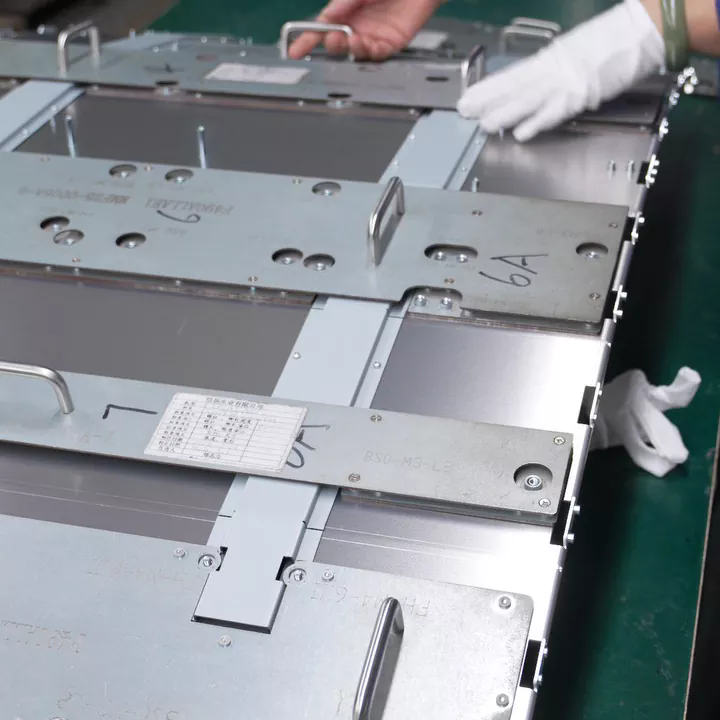
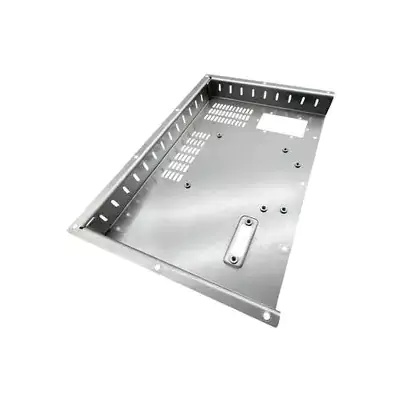
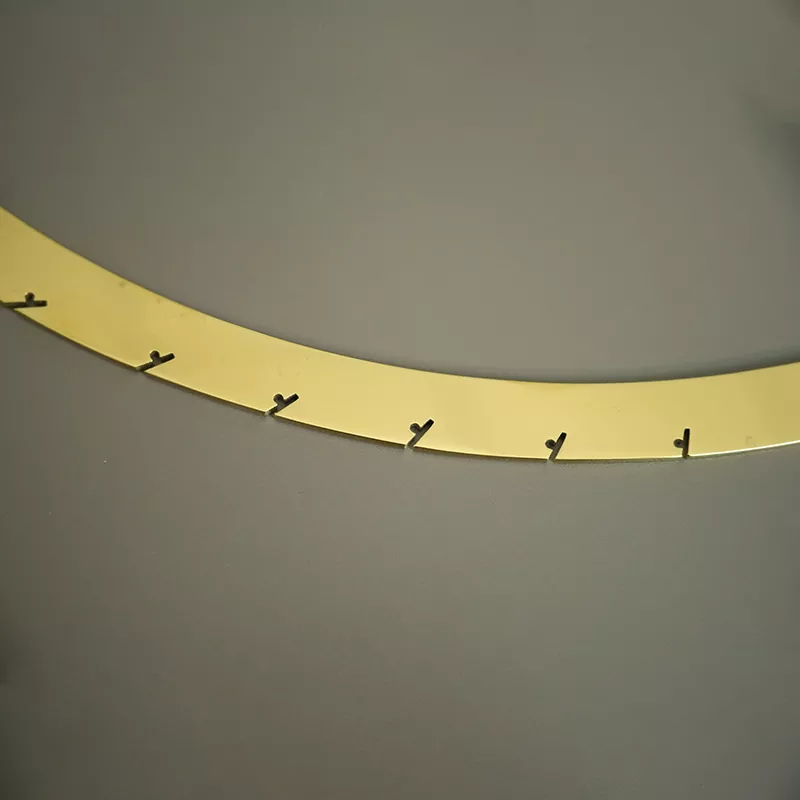
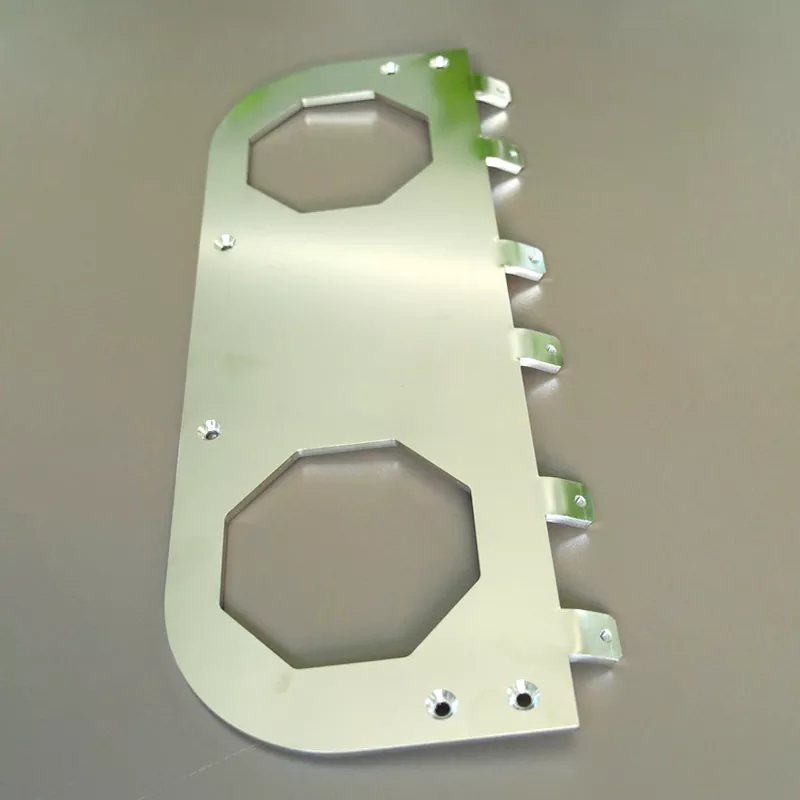
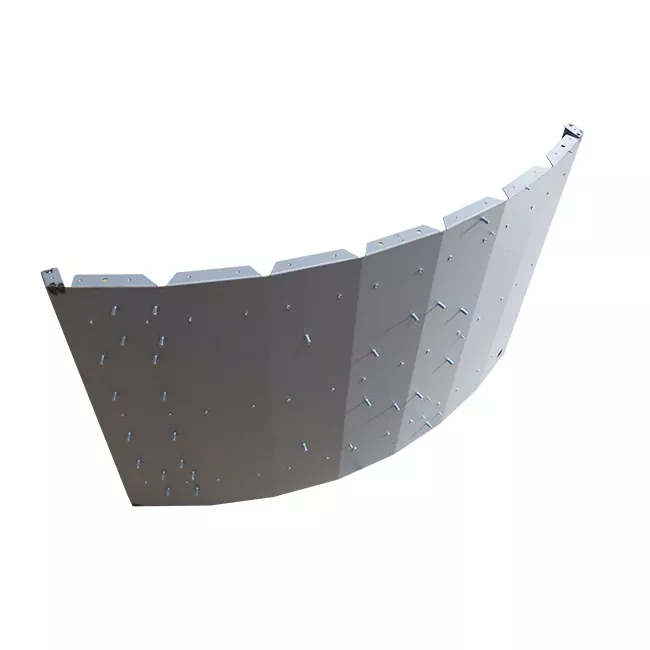
Curved sheet metal refers to metal sheets that are bent, rolled, or formed into curved shapes instead of remaining flat. These curved forms can include cylinders, arcs, cones, spirals, or complex custom geometries depending on the project requirements.
Unlike standard flat sheet metal components, curved sheet metal offers improved structural integrity, aerodynamic performance, and visual appeal. It is widely used in industries where both functionality and appearance are important.
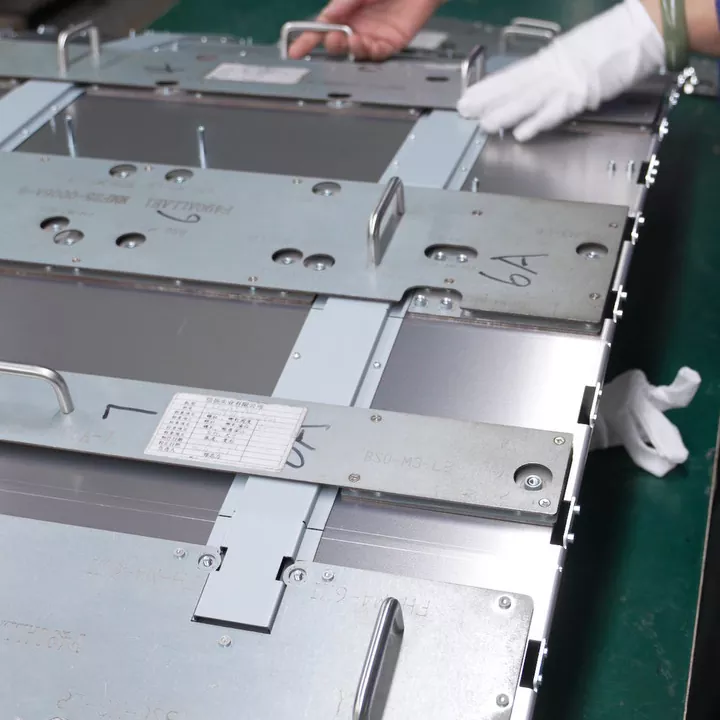
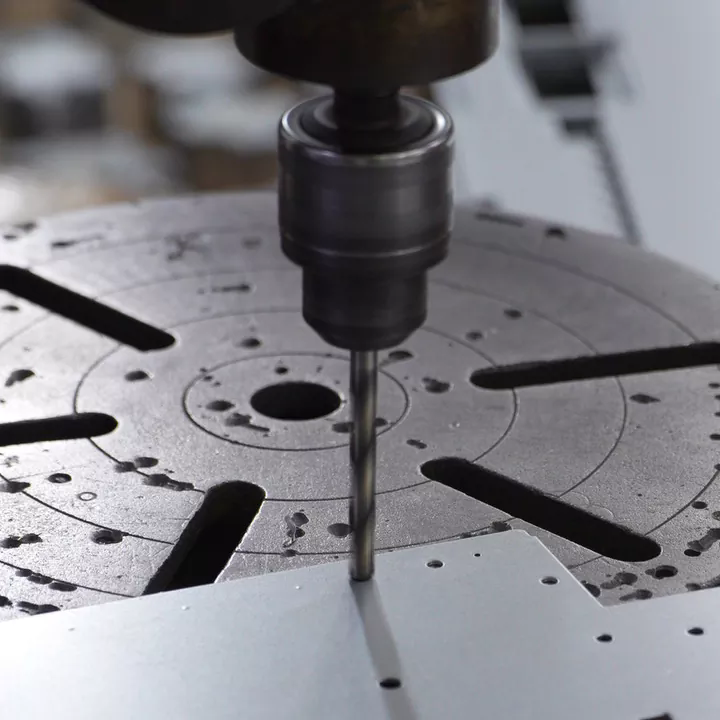
The fabrication process involves specialized machinery such as rolling machines, CNC bending systems, press brakes, and hydroforming equipment to achieve precise curvature without damaging the material surface.
Many industries choose curved sheet metal because curved surfaces distribute stress more evenly than flat surfaces. This improves durability while reducing material fatigue over time.
Curved designs also help manufacturers reduce overall weight without sacrificing structural strength. In transportation industries such as automotive, aerospace, and rail systems, lighter components directly contribute to better fuel efficiency and operational performance.
In architectural applications, curved sheet metal creates modern visual designs that are difficult to achieve with traditional flat panels. Buildings with curved facades often gain improved wind resistance and enhanced aesthetics simultaneously.
| Feature | Flat Sheet Metal | Curved Sheet Metal |
|---|---|---|
| Structural Strength | Moderate | High |
| Aesthetic Appeal | Basic | Modern & Dynamic |
| Wind Resistance | Lower | Better Performance |
| Weight Optimization | Limited | Excellent |
Different manufacturing methods are used depending on the material thickness, radius requirements, production volume, and precision level.
Roll bending uses multiple rollers to gradually shape sheet metal into cylindrical or curved forms. This method is ideal for large-radius curves and long metal sections.
A press brake applies force along specific bending lines to create controlled angles and curved profiles. CNC systems improve repeatability and dimensional accuracy.
Stretch forming stretches metal sheets while wrapping them around a die. This process is commonly used in aerospace and automotive applications where smooth curves are required.
Hydroforming uses high-pressure hydraulic fluid to shape metal into complex curved geometries with excellent surface quality and minimal deformation.
Selecting the correct material is critical for achieving optimal forming performance and product durability.
| Material | Advantages | Common Uses |
|---|---|---|
| Stainless Steel | Corrosion resistance | Architectural panels, food equipment |
| Aluminum | Lightweight and flexible | Automotive, aerospace |
| Carbon Steel | High strength | Industrial machinery |
| Copper | Excellent conductivity | Decorative structures |
Curved sheet metal components are used in a wide range of industries because they combine functionality with customized engineering flexibility.
Curved facades, roofing systems, decorative wall panels, and structural canopies create modern building designs.
Vehicle body panels, exhaust systems, wheel covers, and aerodynamic components rely heavily on curved metal fabrication.
Aircraft fuselage sections and lightweight structural parts require high-precision curved aluminum components.
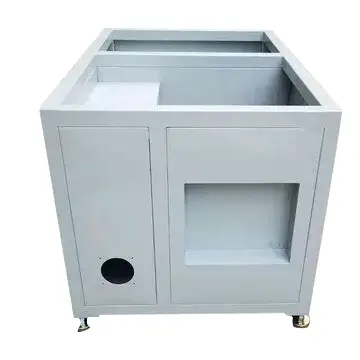
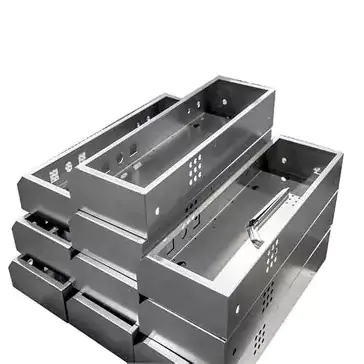
Pressure vessels, storage tanks, machine enclosures, and duct systems commonly use curved steel sheets.
For manufacturers seeking lightweight yet durable structures, curved sheet metal offers one of the most cost-effective long-term solutions available today.
Although curved sheet metal provides many benefits, achieving precise curvature requires professional expertise and advanced equipment.
Some common fabrication challenges include:
To avoid these issues, experienced manufacturers perform material analysis, simulation testing, and precision CNC programming before production begins.
Selecting an experienced fabrication company directly affects product quality, lead time, and overall project cost.
Reliable suppliers should provide complete support from design optimization to final production and delivery.
Xinyang specializes in precision curved sheet metal fabrication for industrial, architectural, and customized manufacturing applications. With advanced CNC processing equipment and experienced engineering teams, Xinyang delivers reliable solutions tailored to different customer requirements.
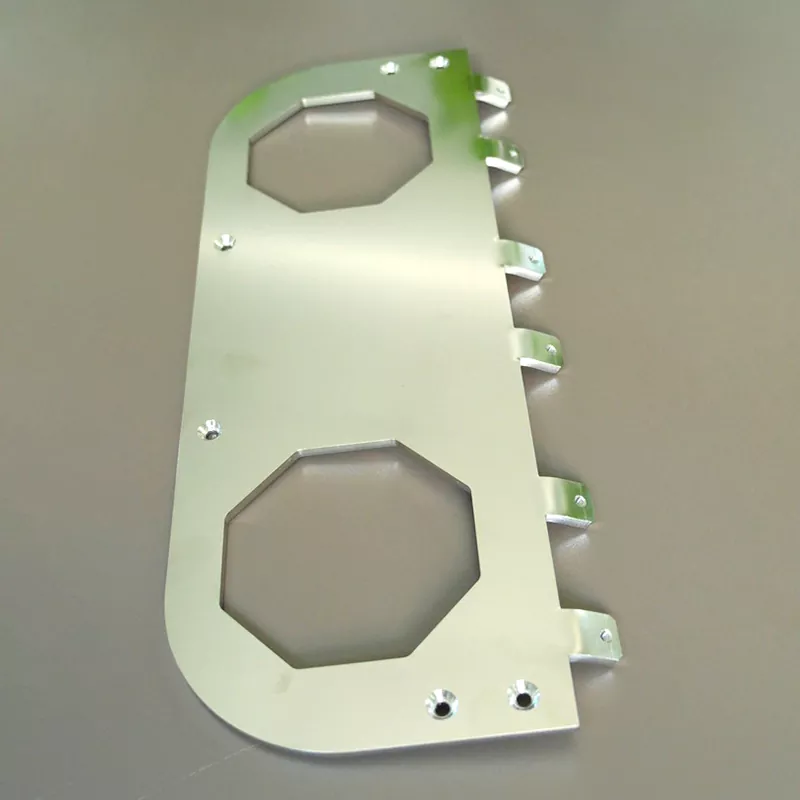
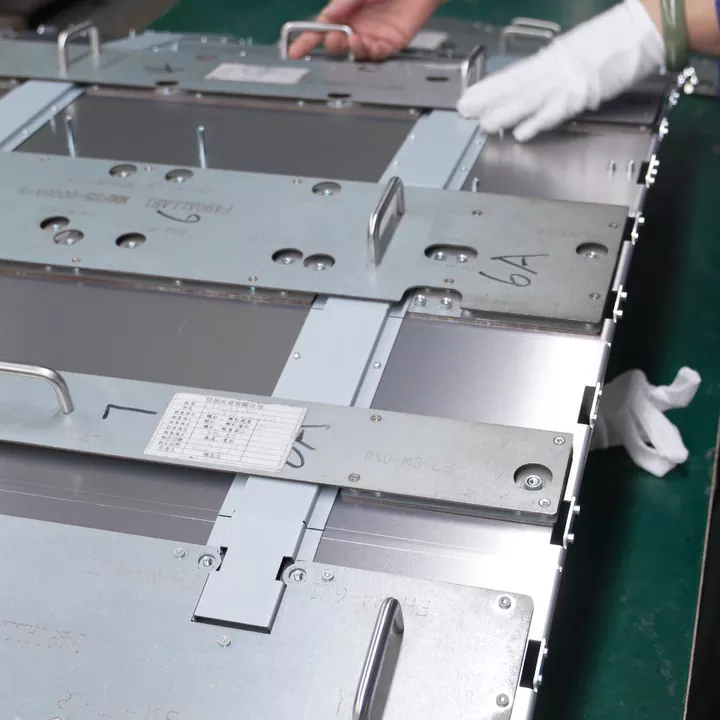
The company supports multiple fabrication processes including laser cutting, rolling, bending, welding, polishing, and surface finishing. Whether customers require small prototype quantities or large-scale production, Xinyang focuses on maintaining consistent quality and accurate tolerances.
By combining modern manufacturing technology with strict quality control standards, Xinyang helps global customers improve production efficiency while reducing long-term operational costs.
What thicknesses can be curved in sheet metal fabrication?
The thickness depends on the material type and bending method. Most fabrication facilities can process thin decorative sheets as well as thick industrial-grade metal plates.
Does curved sheet metal cost more than flat metal fabrication?
Curved fabrication may involve additional tooling and processing steps, but it often reduces assembly complexity and improves product performance, creating better long-term value.
Can stainless steel be curved without cracking?
Yes. Proper tooling, bend radius calculations, and controlled forming processes help prevent cracking during stainless steel fabrication.
What industries use curved sheet metal most frequently?
Architecture, automotive, aerospace, HVAC, construction, transportation, and industrial equipment manufacturing all rely heavily on curved metal components.
Can curved sheet metal be customized?
Absolutely. Modern CNC fabrication technology allows manufacturers to create highly customized curved designs based on drawings, prototypes, or engineering specifications.
Whether you need customized curved panels, precision industrial components, or large-scale metal fabrication services, Xinyang is ready to support your project with reliable manufacturing expertise and fast production capabilities.
Contact us today to discuss your curved sheet metal requirements and get a professional solution tailored to your business needs.