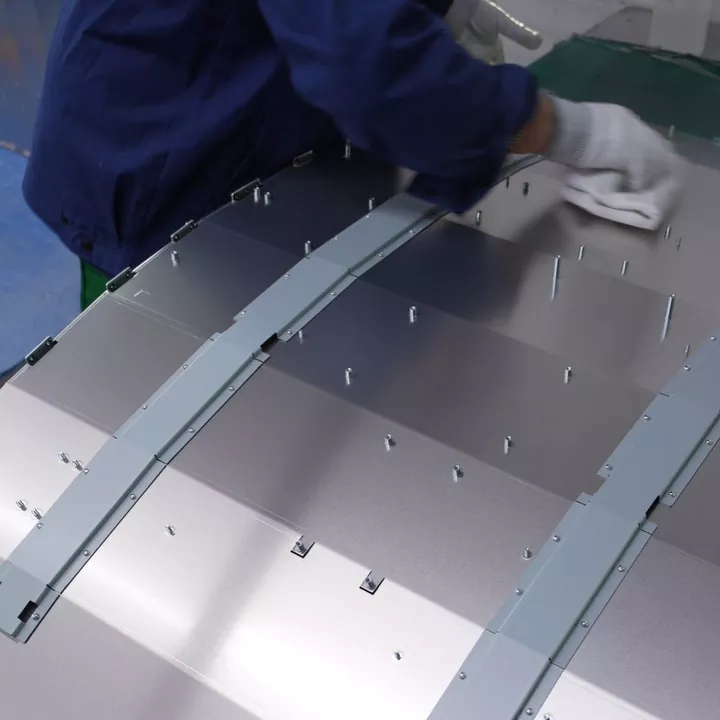
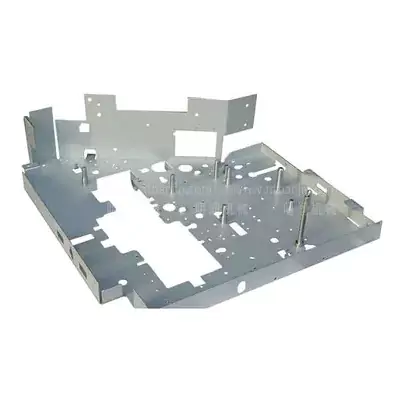
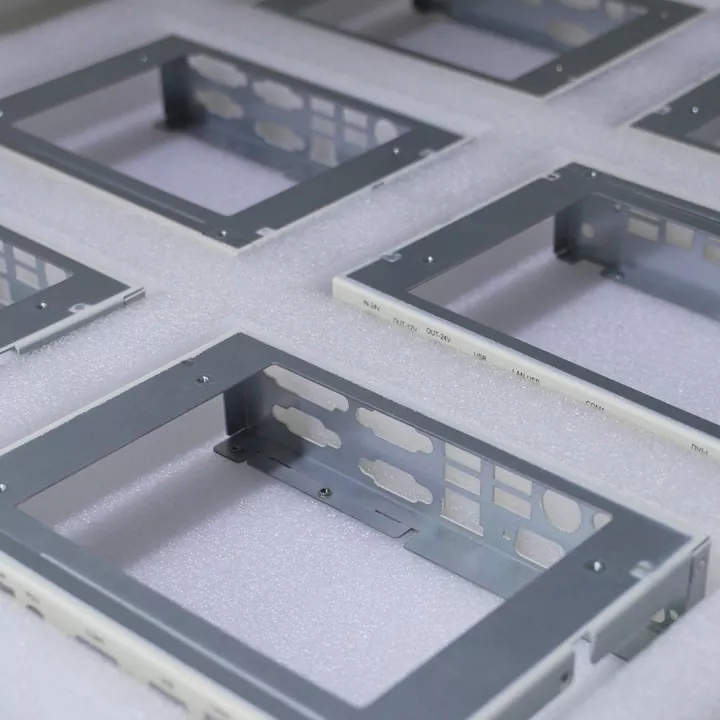
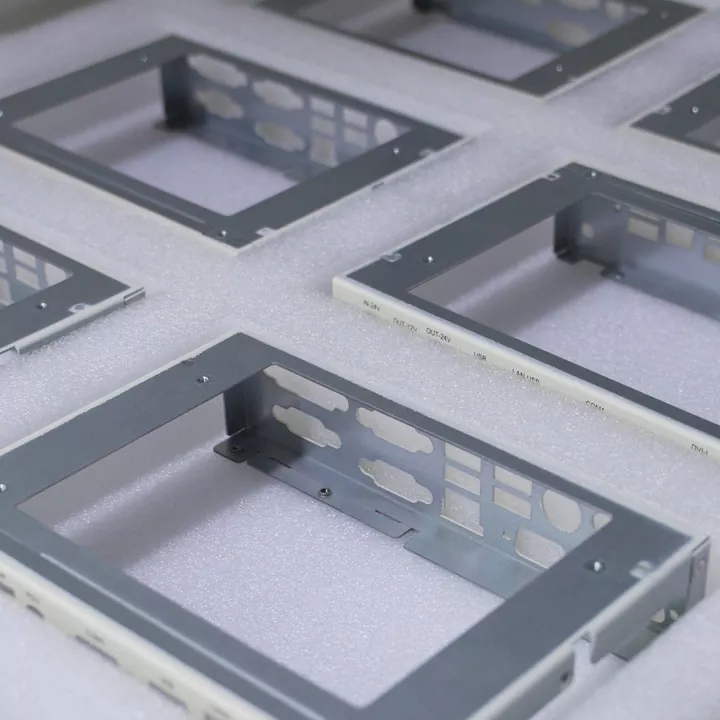
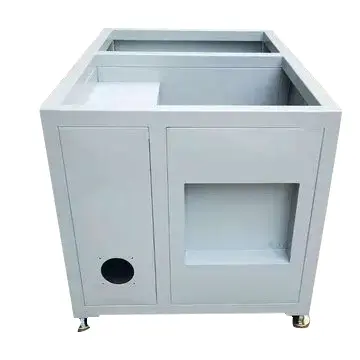
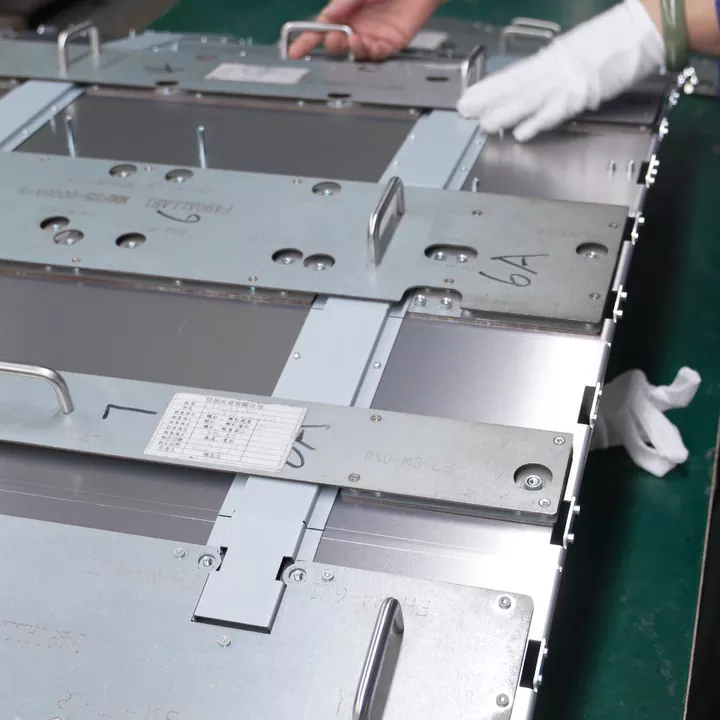
Xinyang Case Sheet Metal Fabrication applies Design for Manufacturing (DFM) principles to improve production efficiency, structural reliability, and the overall quality of customized metal enclosures.
Why DFM Matters In Modern Case Sheet Metal Fabrication
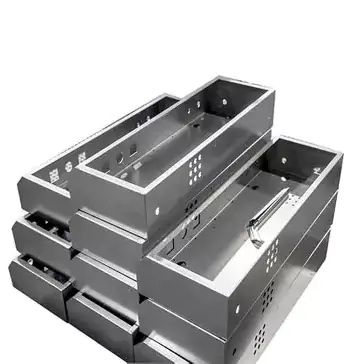
In industrial equipment, a metal case is not only a protective shell but also an important structural component that supports internal devices, manages installation space, and improves equipment durability.
As equipment designs become more customized, many challenges appear during production. Complex structures, unnecessary processing steps, difficult assembly requirements, and unsuitable material choices can increase manufacturing difficulty and affect final quality.
Design for Manufacturing (DFM) provides a practical approach to solving these challenges. Instead of designing a product first and adjusting the manufacturing process later, DFM encourages designers and production teams to consider fabrication methods, material characteristics, assembly requirements, and production efficiency from the beginning.
For Case Sheet Metal Fabrication, DFM principles help create metal enclosures that are easier to process, more stable in structure, and better suited for real-world applications.
What Is Design For Manufacturing (DFM) In Sheet Metal Processing?
Design for Manufacturing refers to a product design method that considers how a component will be produced during the early design stage.
For sheet metal products, DFM focuses on making sure that the design matches actual manufacturing capabilities, including:
A well-designed sheet metal case should not only meet functional requirements but also reduce unnecessary complexity during production.
For example, an industrial control cabinet may require multiple openings, mounting areas, and internal supports. A DFM-based design considers the location of these features before manufacturing begins, helping avoid later modifications or production problems.
How DFM Principles Improve Case Sheet Metal Fabrication
1. Optimizing Material Selection And Thickness
Material choice is one of the first factors considered in sheet metal design.
Different applications require different levels of strength, corrosion resistance, and weight control. Selecting the correct material thickness helps balance structural performance and manufacturing efficiency.
Design Factor
Influence On Metal Case
Thin sheet metal
Reduces weight but requires careful structural design
Thick sheet metal
Improves strength but increases weight and processing difficulty
Suitable thickness
Balances durability, cost, and fabrication requirements
For industrial equipment housings, choosing appropriate thickness is important because the case must support internal components while maintaining convenient installation and transportation characteristics.
DFM principles help avoid over-design by selecting materials based on actual working conditions rather than simply increasing thickness.
2. Simplifying Structure To Improve Production Efficiency
Complex designs do not always provide better performance. Excessive parts, unnecessary bends, or complicated connections may increase processing steps and create more opportunities for errors.
Through DFM analysis, designers can simplify structures by:
- Reducing unnecessary components
- Combining multiple parts when possible
- Optimizing bending directions
- Improving assembly accessibility
For example, a customized electrical cabinet may originally require several separate panels. By reviewing the structure through DFM methods, some components can be integrated into a simpler design while maintaining the required strength.
This helps improve production consistency and reduces processing complexity.
3. Designing According To Cutting And Punching Processes
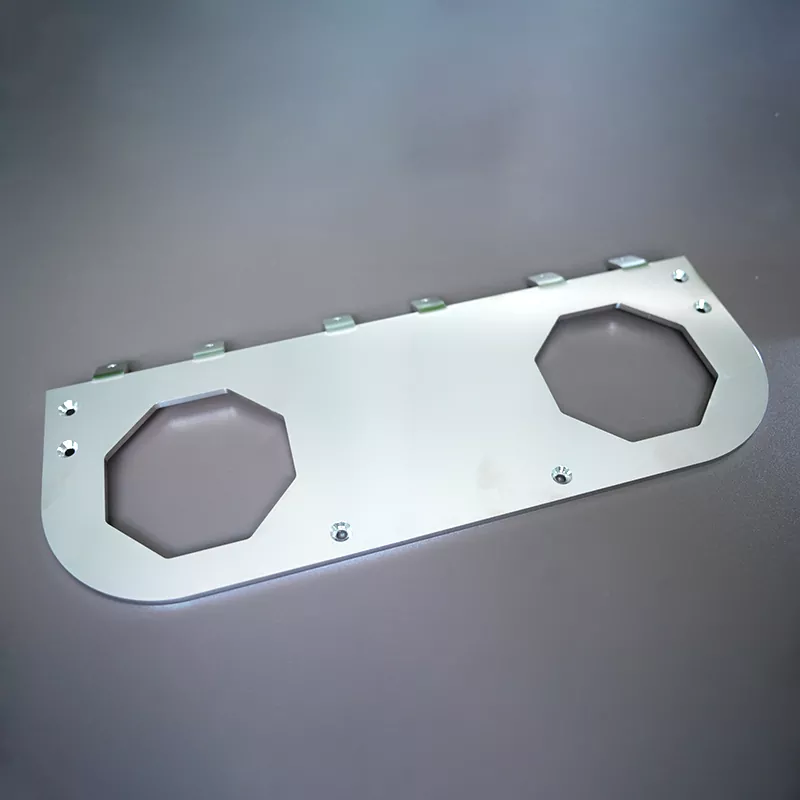
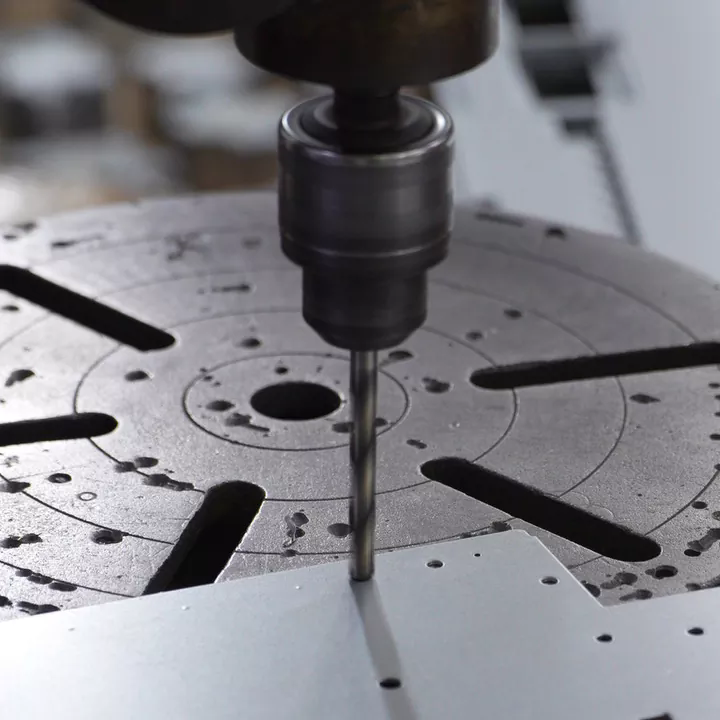
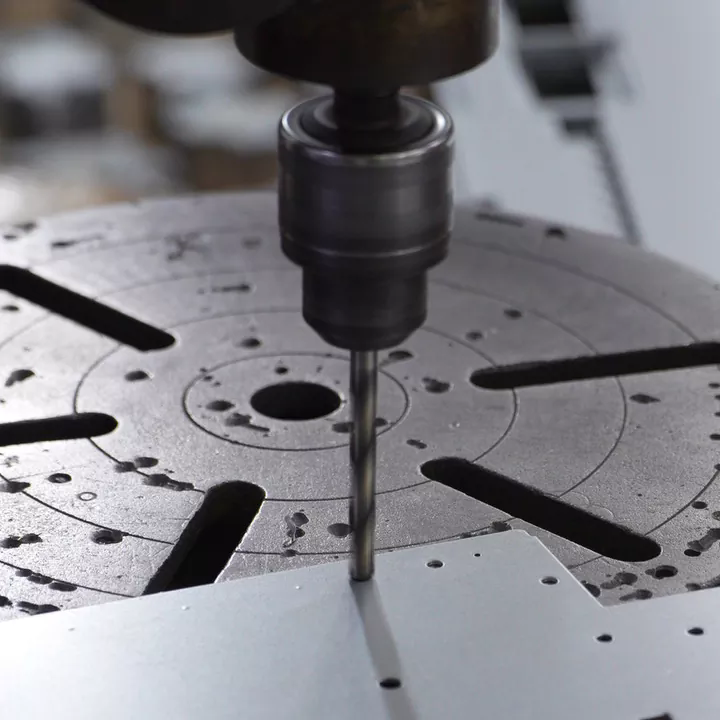
Cutting is one of the earliest steps in Case Sheet Metal Fabrication. The design of holes, openings, and external shapes directly affects manufacturing results.
DFM encourages designers to consider:
- Hole size limitations
- Distance between holes and edges
- Cutting accuracy requirements
- Processing sequence
Processing Method
Suitable Design Features
CNC punching
Repeated holes, ventilation patterns, standard openings
When designs match available processing technologies, production becomes more stable and efficient.
For example, ventilation holes on industrial equipment housings should be arranged with proper spacing to maintain both airflow performance and structural strength.
4. Improving Bending And Welding Design
Bending and welding are essential steps for creating three-dimensional metal cases.
Poorly planned designs may cause problems such as:
DFM principles help optimize these areas before production begins.
Process
DFM Focus
CNC bending
Proper bend locations and suitable angles
Welding
Accessible joints and reduced unnecessary welding points
Assembly
Accurate positioning and easier installation
A good design allows technicians to complete processing smoothly while maintaining the intended structure.
5. Considering Assembly And Maintenance Requirements
Industrial equipment often needs regular inspection or component replacement. Therefore, metal cases should not only be easy to manufacture but also convenient to use.
For industrial control cabinets and automation equipment housings, practical assembly design can significantly improve maintenance efficiency.
A well-planned enclosure allows technicians to access internal parts without unnecessary disassembly.
Xinyang's DFM Experience In Customized Metal Case Manufacturing
Located in Shipai Town, Dongguan, Xinyang has accumulated practical experience in customized sheet metal processing since 2016.
With a 6,000㎡ production facility, more than 50 experienced personnel, and over 100 pieces of professional equipment, Xinyang provides customized metal case processing services for industrial and electronic applications.
Product Type
Main Application Requirements
Industrial control cabinets
Structural strength and equipment protection
Electrical control boxes
Safe component installation and reliable operation
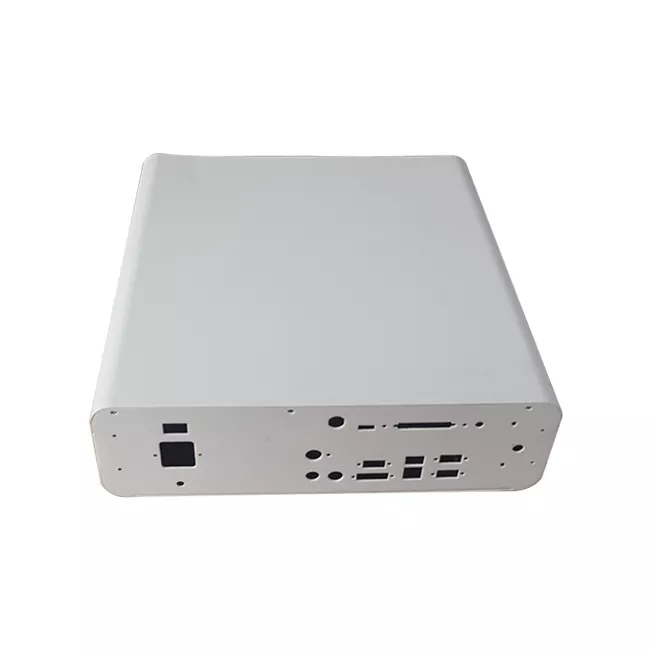
Industrial computer housings
Accurate openings and stable assembly
Automation equipment shells
Customized dimensions and functional integration
Communication equipment cabinets
Cable organization and protection
Through drawing-based processing and integrated manufacturing capabilities, Xinyang considers design feasibility during Case Sheet Metal Fabrication production planning to help achieve stable processing results.
Common DFM Mistakes In Sheet Metal Case Design
Even experienced designers may encounter challenges if manufacturing factors are not considered early.
Common issues include:
Excessive Design Complexity
Too many individual parts can increase processing time and assembly difficulty.
Incorrect Hole Placement
Poorly positioned holes may affect structural strength or create difficulties during punching and cutting.
Ignoring Manufacturing Tolerances
Extremely strict dimensions without practical requirements may increase production difficulty without improving product performance.
Lack Of Assembly Consideration
A case that is easy to manufacture but difficult to assemble may create problems during actual use.
Applying DFM principles early helps avoid these problems and creates a better balance between design goals and manufacturing reality.
The Future Role Of DFM In Sheet Metal Manufacturing
As industrial equipment continues to become more customized, DFM will play an increasingly important role in sheet metal production.
Digital design tools, automated equipment, and improved manufacturing systems allow production teams to evaluate designs more effectively before fabrication begins.
Future sheet metal development will focus on:
- Faster design verification
- Better production automation
- Reduced material waste
- More efficient customized manufacturing
- Improved product reliability
The combination of engineering design and manufacturing knowledge will continue to improve the quality of industrial metal structures.
Conclusion
Design for Manufacturing principles help transform complex ideas into practical metal structures by considering production methods, material selection, assembly requirements, and long-term performance from the beginning.
In Case Sheet Metal Fabrication, DFM improves efficiency while supporting stronger, more reliable, and easier-to-maintain enclosures. With experience in customized sheet metal processing, Dongguan Xinyang Industrial Co., Ltd. applies these principles to industrial control cabinets, electrical boxes, equipment housings, and other customized metal case solutions.
We use cookies to offer you a better browsing experience, analyze site traffic and personalize content. By using this site, you agree to our use of cookies.Privacy Policy