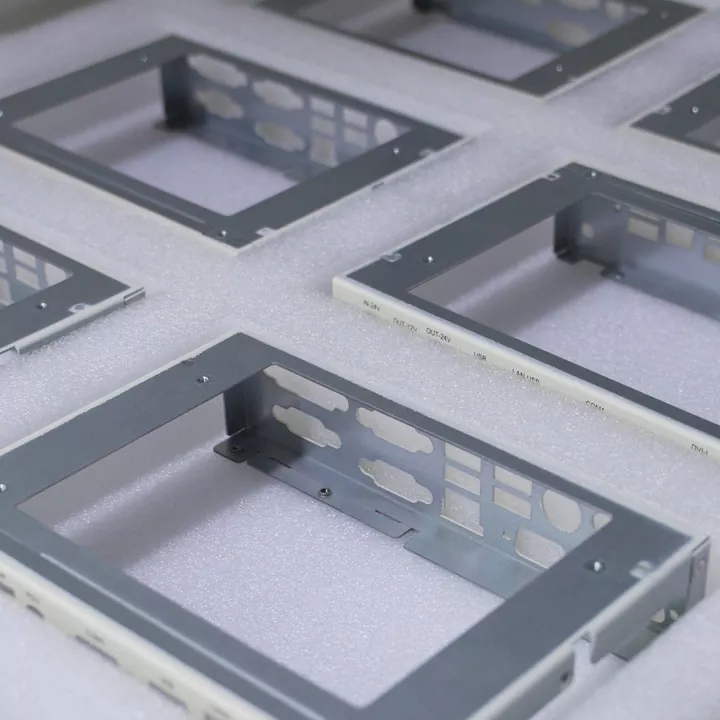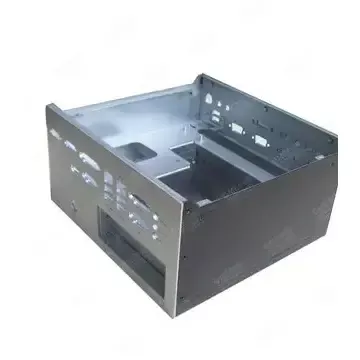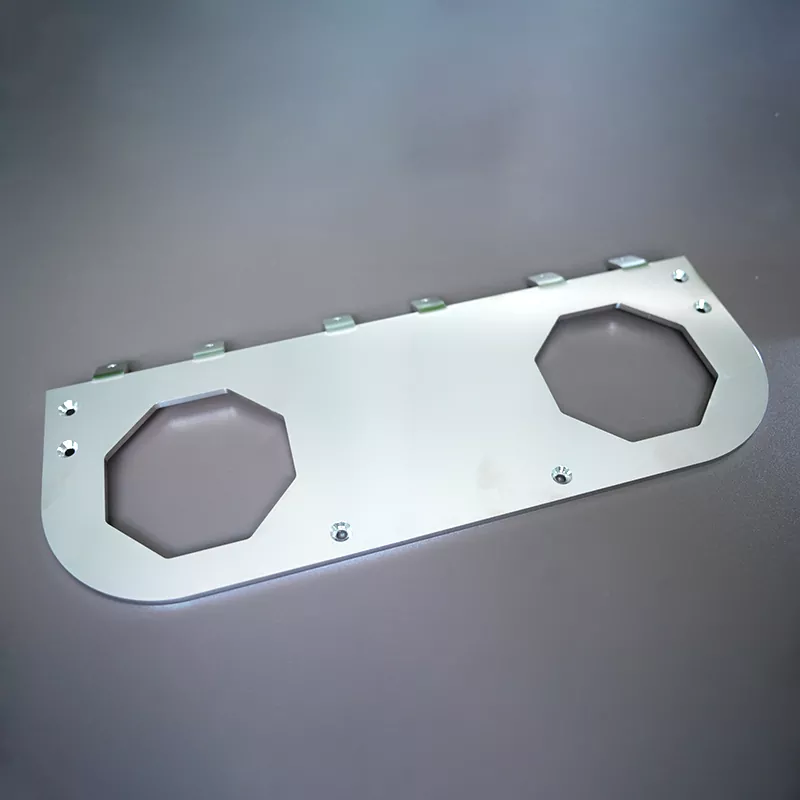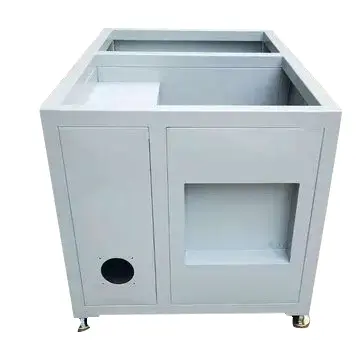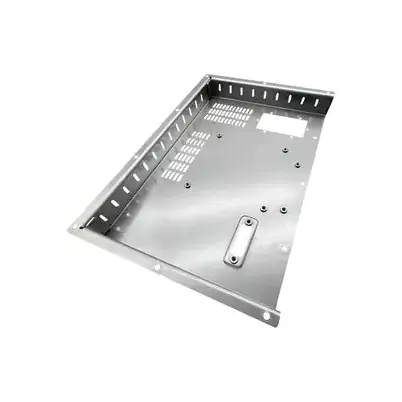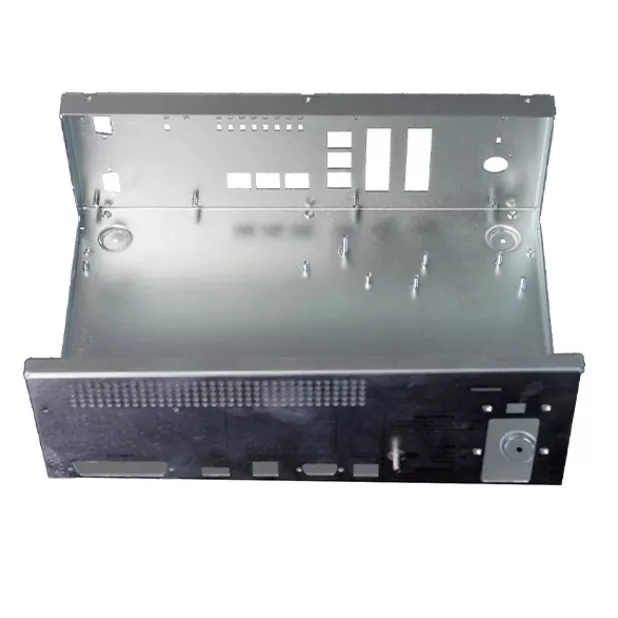
Modern industries demand faster production cycles, tighter tolerances, and greater customization. CNC Sheet Metal Manufacturing has become one of the most reliable production methods for companies seeking consistent quality and scalable manufacturing solutions.
This article explains how CNC Sheet Metal Manufacturing works, why businesses choose it, common customer challenges, material selection methods, quality control procedures, and how professional manufacturers like Xinyang help customers reduce production risks while improving efficiency.
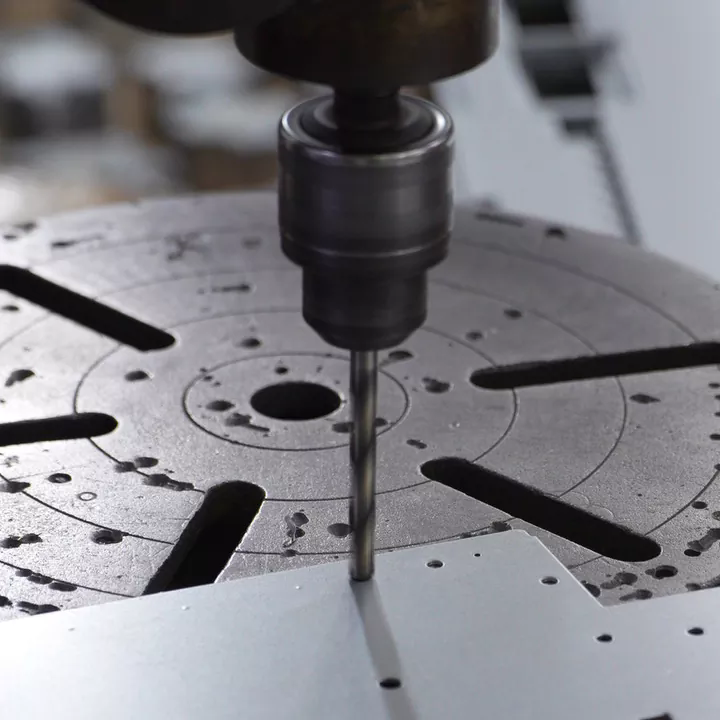
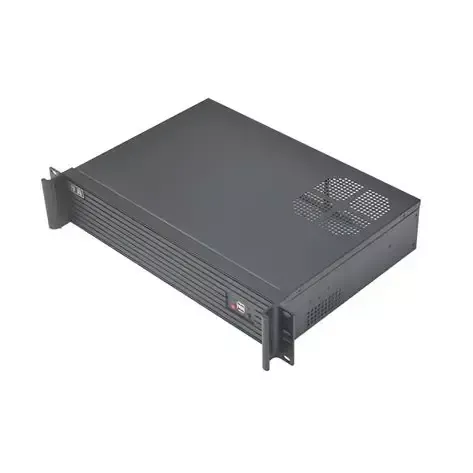
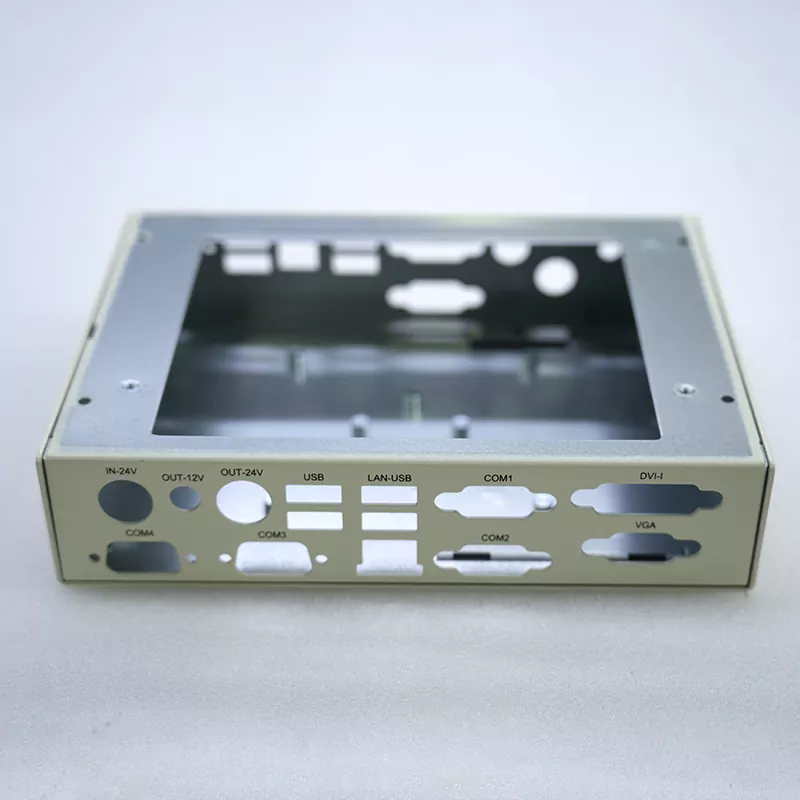
CNC Sheet Metal Manufacturing is a highly automated production process that transforms flat metal sheets into precise functional components through computer-controlled machinery.
The process combines multiple technologies, including:
Instead of relying heavily on manual operations, digital instructions guide every movement, ensuring repeatable and highly accurate production.
Industries that depend on these components include:
Traditional fabrication methods often struggle to meet today's market expectations. Customers want products delivered faster while maintaining exceptional quality standards.
CNC technology addresses these demands effectively.
| Business Challenge | Traditional Method | CNC Solution |
|---|---|---|
| Human errors | Higher possibility | Computer-controlled accuracy |
| Slow production | Labor intensive | Automated operations |
| Complex designs | Difficult to achieve | Easily programmable |
| High material waste | Common issue | Optimized cutting paths |
| Product inconsistency | Frequent variation | Repeatable precision |
As product designs become increasingly sophisticated, manufacturers need technologies capable of delivering both speed and consistency.
The complete workflow involves several coordinated stages.
Step 1: Design Engineering
Engineers create detailed CAD drawings and technical specifications.
Step 2: Material Selection
Appropriate metals are chosen according to strength, corrosion resistance, and environmental requirements.
Step 3: CNC Cutting
Laser or punching machines precisely cut raw sheets.
Step 4: Bending Operations
Press brakes shape the material into desired geometries.
Step 5: Welding And Assembly
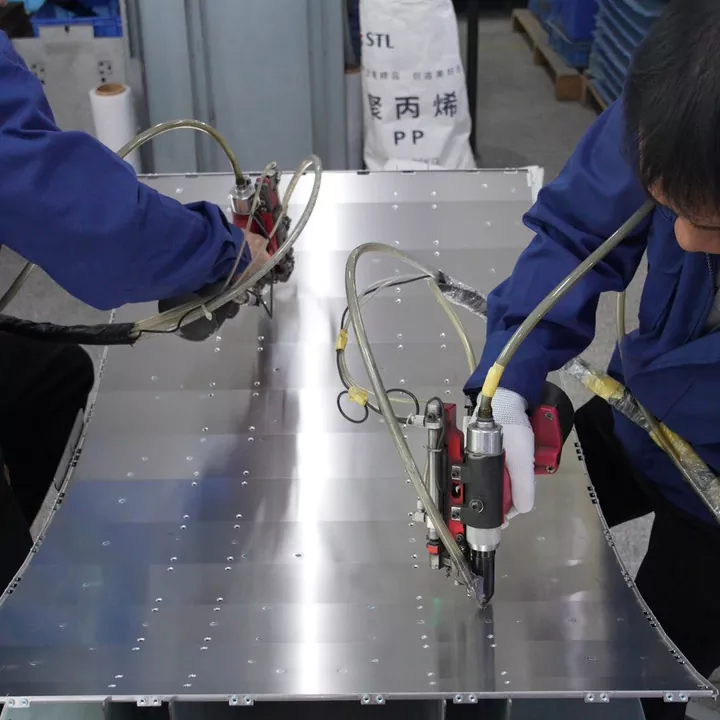
Components are joined together to create complete structures.
Step 6: Surface Treatment
Protective coatings are applied.
Step 7: Inspection And Packaging
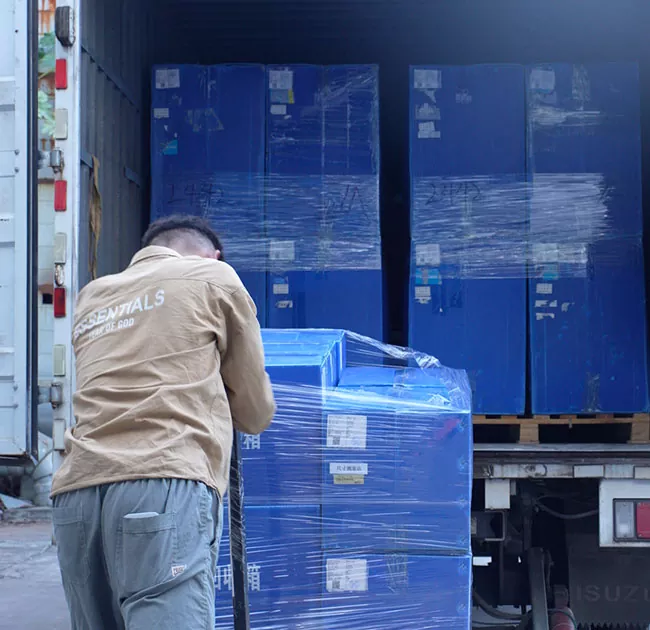
Every part undergoes quality verification before shipment.
CAD Design → Material Preparation → Laser Cutting → Bending → Welding → Surface Treatment → Inspection → Packaging → Delivery
Many procurement managers experience similar challenges when sourcing metal components.
CNC Sheet Metal Manufacturing directly addresses these concerns.
| Customer Pain Point | Solution |
|---|---|
| Long lead times | Automated production accelerates output |
| Inconsistent dimensions | Precision-controlled machinery |
| High rejection rates | Strict inspection systems |
| Expensive prototyping | Fast digital modifications |
| Communication difficulties | Integrated engineering support |
| Scalability limitations | Easy transition to mass production |
Businesses can therefore launch products faster while reducing operational risks.
Selecting the proper material is critical to achieving optimal performance.
| Material | Main Advantages | Applications |
|---|---|---|
| Stainless Steel | Corrosion resistant | Medical and food equipment |
| Aluminum | Lightweight | Electronics and transportation |
| Carbon Steel | Strong and affordable | Industrial machinery |
| Galvanized Steel | Rust protection | Outdoor equipment |
| Copper | Excellent conductivity | Electrical systems |
| Brass | Decorative appearance | Consumer products |
Material selection should always align with environmental conditions and performance requirements.
Precision is one of the biggest advantages of CNC manufacturing.
Computerized systems eliminate many variables associated with manual operations.
Key benefits include:
Advanced monitoring systems also allow engineers to detect issues before defects multiply throughout production.
Reducing costs is a major priority for every buyer.
Several strategies can help lower overall expenses.
Early engineering collaboration can prevent costly modifications later in production.
Companies that involve manufacturing teams during product development often achieve substantial long-term savings.
Supplier selection significantly impacts project success.
Evaluate potential partners using these criteria:
| Evaluation Factor | Importance |
|---|---|
| Engineering capability | Very High |
| Equipment modernization | Very High |
| Quality control systems | Very High |
| Production capacity | High |
| Project communication | High |
| Delivery performance | Very High |
A reliable supplier should act as a technical partner instead of simply processing orders.
Xinyang provides comprehensive CNC Sheet Metal Manufacturing solutions for customers worldwide.
The company focuses on delivering stable quality, responsive communication, and efficient production management.
Key strengths include:
Whether customers require prototype development or large-scale production, Xinyang works closely with clients throughout the entire manufacturing process.
Q1: What is the typical production lead time?
Lead times vary depending on complexity, quantity, and finishing requirements. Simple projects may take several days, while large production runs require longer scheduling.
Q2: Can prototypes be produced before mass production?
Yes. Prototype manufacturing allows customers to verify dimensions and functionality before scaling up.
Q3: Which file formats are accepted?
Common formats include STEP, IGES, DXF, DWG, and PDF drawings.
Q4: Can complex geometries be manufactured?
Yes. Modern CNC equipment can handle intricate shapes and demanding tolerances.
Q5: Are surface finishing options available?
Yes. Powder coating, anodizing, polishing, sandblasting, and plating are commonly available.
Q6: Which industries benefit the most?
Electronics, telecommunications, automation, transportation, healthcare, and industrial equipment sectors all benefit significantly.
CNC Sheet Metal Manufacturing is no longer simply a fabrication technique; it has become a strategic advantage that helps businesses improve precision, reduce costs, accelerate production, and maintain consistent product quality.
Working with an experienced partner can dramatically reduce supply chain risks while ensuring every component meets demanding specifications.
If you are looking for dependable, scalable, and customized sheet metal manufacturing solutions, Xinyang is ready to support your next project. Contact us today to discuss your drawings, technical requirements, or production plans, and let our engineering team help turn your ideas into high-quality products faster and more efficiently.