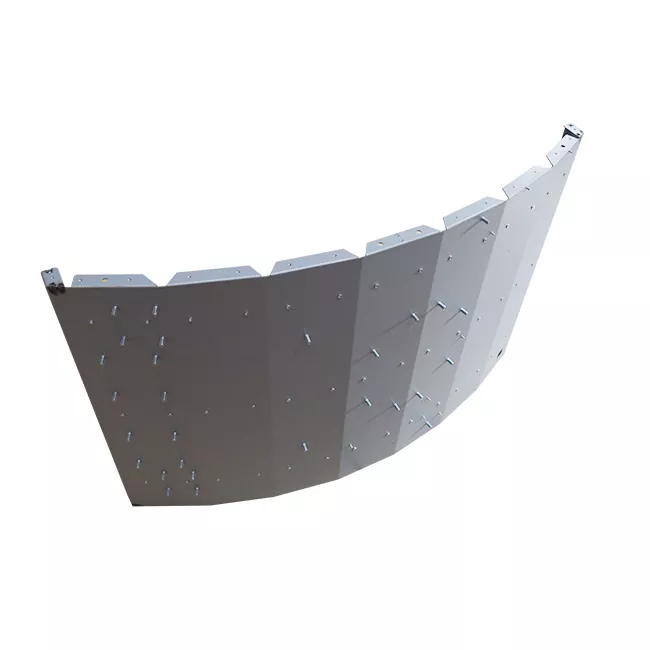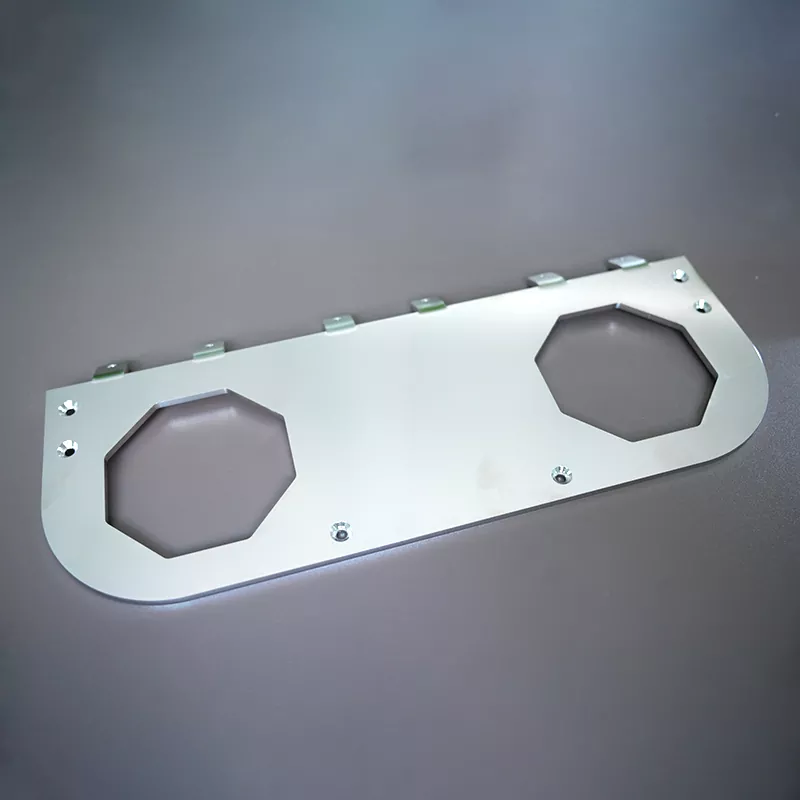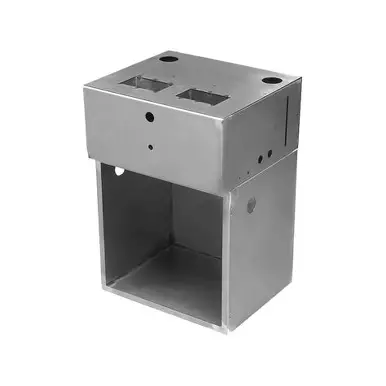
Outdoor LCD displays operate in conditions that differ significantly from indoor installations. Rain, humidity, airborne dust, strong sunlight, wind-driven debris, and seasonal temperature changes can all affect display performance. The Weatherproof Galvanized Steel Outdoor LCD Screen Cover addresses one part of this challenge: the physical enclosure surrounding the display, which helps limit direct exposure to environmental elements while maintaining the structural protection required for outdoor use.
Rain protection depends on more than the material used for the outer cover. Water can enter through panel joints, cable openings, fastener holes, access doors, and poorly designed edges. Wind can also drive rain horizontally or push it into gaps that would remain relatively dry during ordinary rainfall.
A galvanized steel cover can provide a rigid protective shell, but its effectiveness depends on the complete enclosure design. Overlapping edges, appropriately positioned seams, sealed cable entries, and carefully fitted access panels help control potential water paths. The direction of drainage also matters. Surfaces that allow water to run off are less likely to retain moisture around joints and mounting points.
The Weatherproof Galvanized Steel Outdoor LCD Screen Cover therefore needs to be considered as part of an integrated enclosure rather than as an isolated metal panel. Its protective performance comes from the relationship between sheet metal geometry, assembly accuracy, sealing components, and installation orientation.
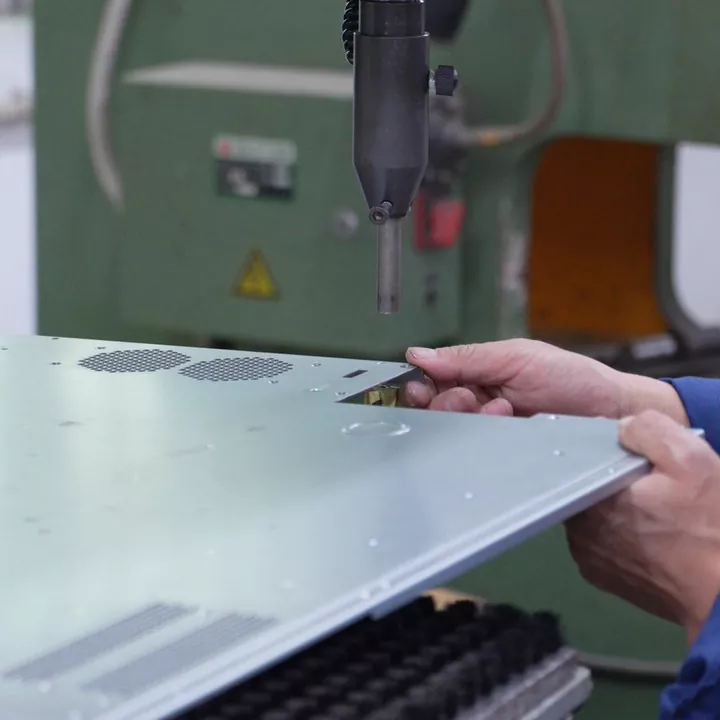
Galvanized steel is commonly used in outdoor enclosures because its zinc coating helps protect the underlying steel from corrosion. The zinc layer acts as a barrier and can provide sacrificial protection where minor coating damage exposes the base metal. This makes galvanized steel relevant to display housings installed in humid environments and locations exposed to regular precipitation.
However, galvanized steel is not immune to corrosion. Persistent moisture, airborne salt, industrial pollutants, and standing water can accelerate deterioration under certain conditions. Cut edges, drilled holes, welds, and scratched surfaces also require attention because fabrication can disturb the original protective coating.
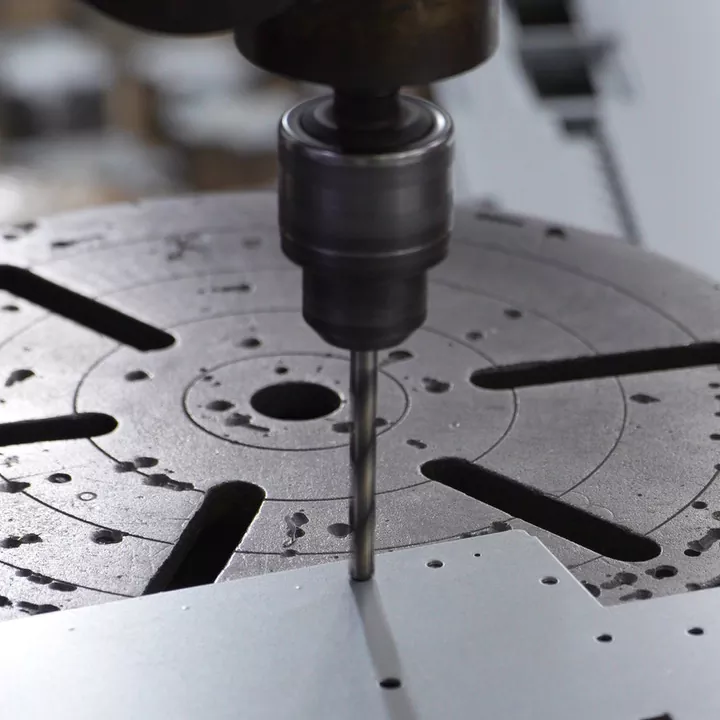
Manufacturing processes influence the final result. Cutting, punching, bending, welding, and finishing should be coordinated to reduce coating damage and limit areas where water can collect. For coastal locations or industrial sites with aggressive atmospheric conditions, the material specification and additional surface protection may need to reflect the exposure level.
Outdoor displays may be installed beside roads, on building exteriors, in transport facilities, or in public information systems. These environments expose enclosures to wind pressure, airborne particles, vibration, and occasional impacts. A steel cover provides a solid structural boundary, while panel thickness, reinforcement, fixing points, and mounting geometry influence how well it withstands mechanical loads.
Large display housings require particular attention because broad sheet metal panels can flex under wind pressure. Bends, formed edges, ribs, and internal supports can improve stiffness without requiring every section to use unnecessarily thick material. Secure mounting is equally important: the enclosure and its fasteners must transfer loads to the supporting structure.
Dust protection depends on the same attention to openings and joints as water protection. Ventilation slots, cable glands, and service doors can become entry points if they are not designed as part of the enclosure. Where a defined ingress protection rating is required, the assembled unit must be assessed against the applicable test standard rather than judged by the cover material alone.
Weather protection creates another engineering consideration: heat. Outdoor LCD panels, backlights, power supplies, and control electronics generate heat during operation. Direct sunlight can increase internal temperatures even when the ambient air is relatively cool. If an enclosure restricts airflow without an alternative heat-management strategy, internal components may operate outside their intended temperature range.
Designers must balance environmental sealing with thermal control. Depending on the display architecture, the enclosure may use controlled ventilation, heat sinks, thermal paths, filtered airflow, or active cooling. Each approach introduces different requirements for moisture management, maintenance, and contamination control.
Temperature cycling also affects enclosure assemblies. Metal panels expand and contract as temperatures change, while seals and other non-metal components may respond differently. Suitable joint design, fastening arrangements, and sealing materials help accommodate these differences and reduce stress around openings over repeated cycles.
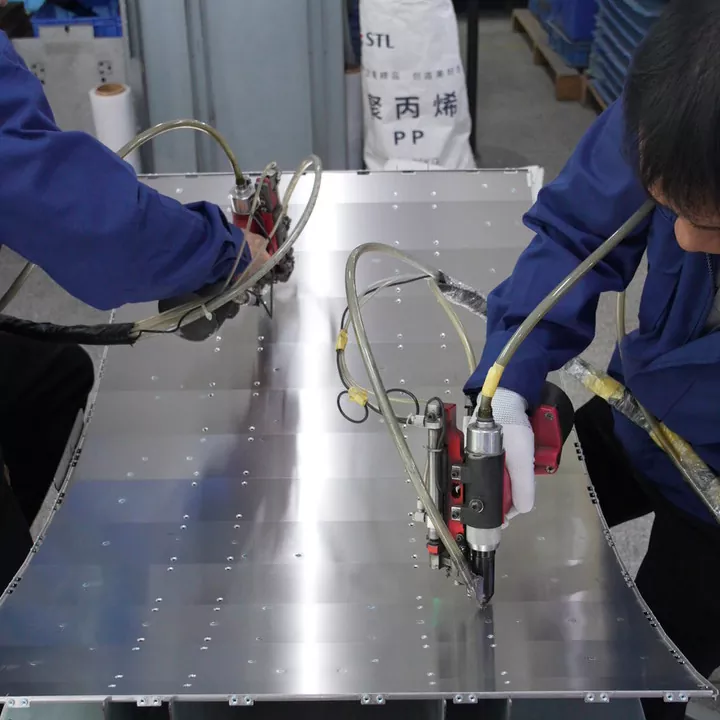
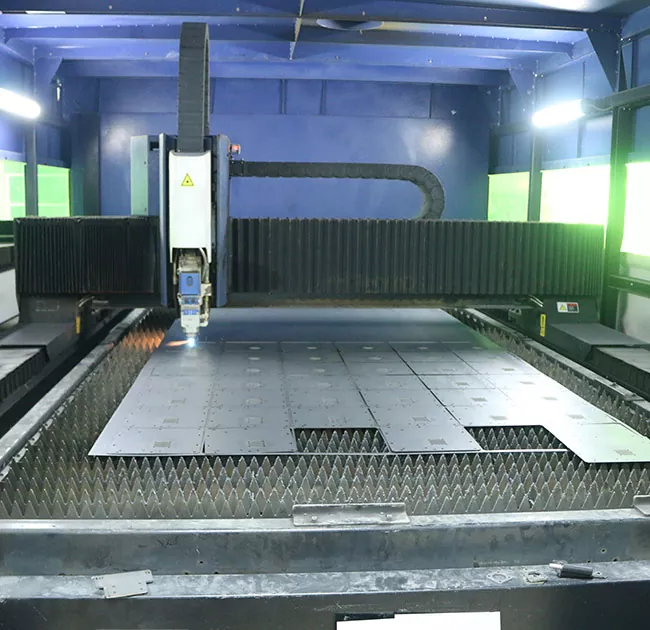
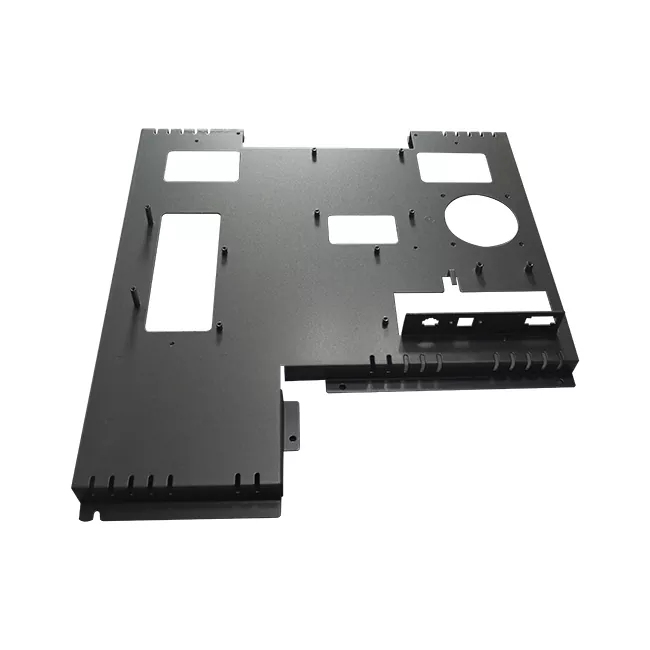
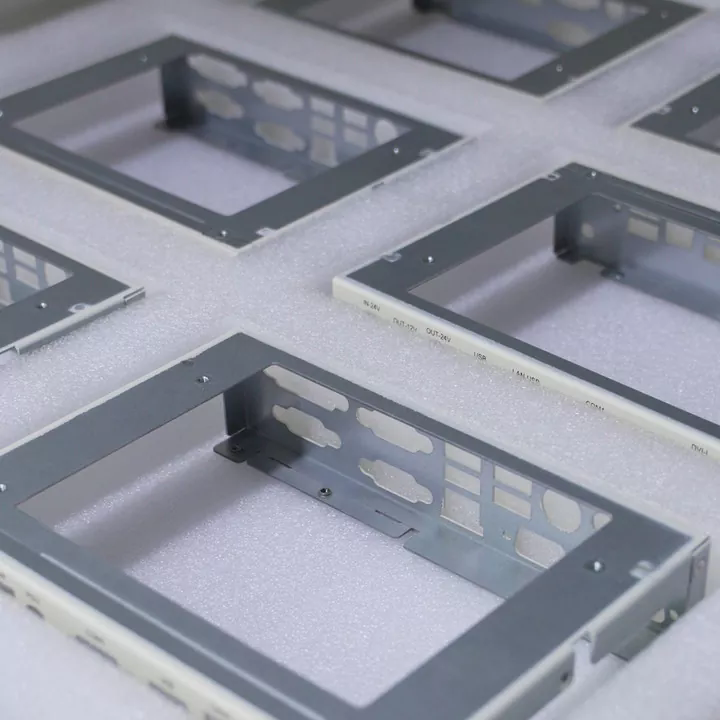
The performance of an outdoor LCD enclosure is closely connected to sheet metal fabrication accuracy. Incorrect bends can create uneven joints, while poorly positioned holes can complicate installation and compromise sealing. Distortion around welded areas may affect door alignment or create gaps between mating surfaces.
The Weatherproof Galvanized Steel Outdoor LCD Screen Cover is most effective when its design accounts for the display dimensions, mounting method, cable routing, access requirements, and environmental exposure from the beginning. Consistent cutting and bending accuracy help components fit together, while appropriate finishing and assembly practices help preserve corrosion protection and enclosure integrity.
Maintenance access is another practical factor. Outdoor displays may require periodic cleaning, inspection, component replacement, or cable servicing. Access panels should allow these tasks without creating unnecessary openings or making it difficult to restore the original seal after maintenance.
The same enclosure design may not suit every outdoor location. A roadside information screen may face dust and vibration, while a coastal display may encounter salt-laden air and persistent humidity. A screen exposed to direct sunlight may require more attention to thermal management than one installed beneath a canopy.
Environmental assessment should therefore consider rainfall, wind exposure, ambient temperature, solar loading, airborne contaminants, mounting height, and service frequency. These conditions influence material selection, coating requirements, sealing details, ventilation design, and structural reinforcement.
The Weatherproof Galvanized Steel Outdoor LCD Screen Cover illustrates how outdoor display protection depends on several connected engineering decisions. Galvanized steel provides a useful foundation for corrosion resistance and structural protection, but enclosure geometry, fabrication quality, sealing, drainage, thermal management, and installation conditions determine how effectively the finished housing performs in harsh weather.