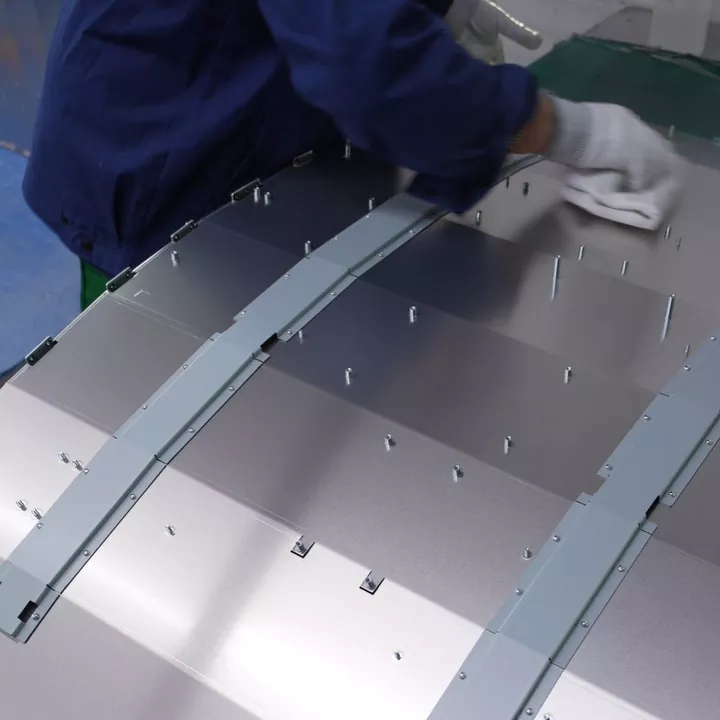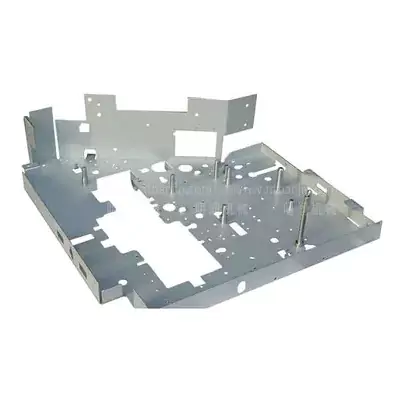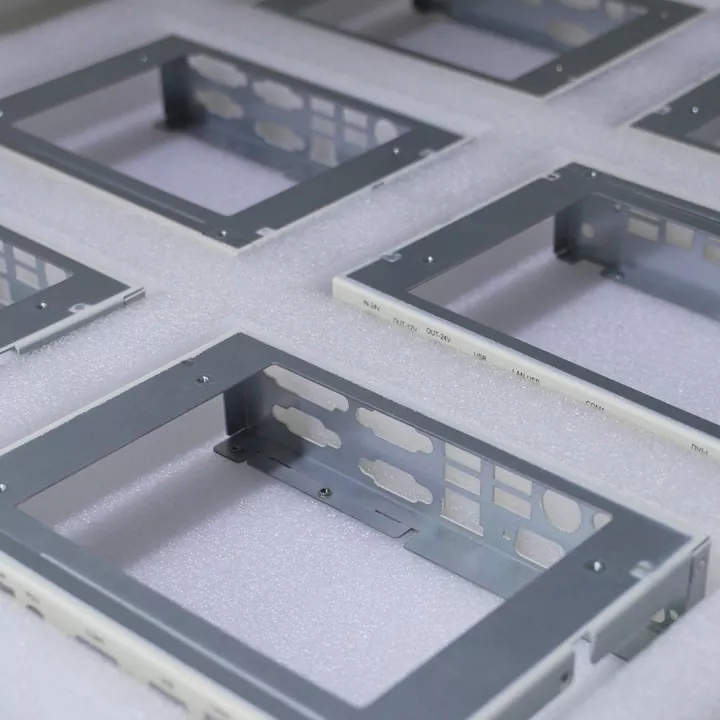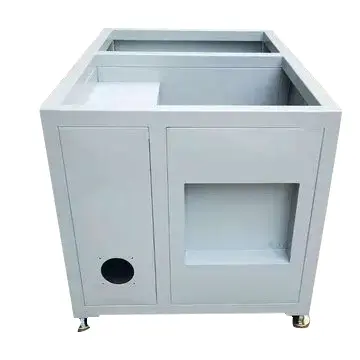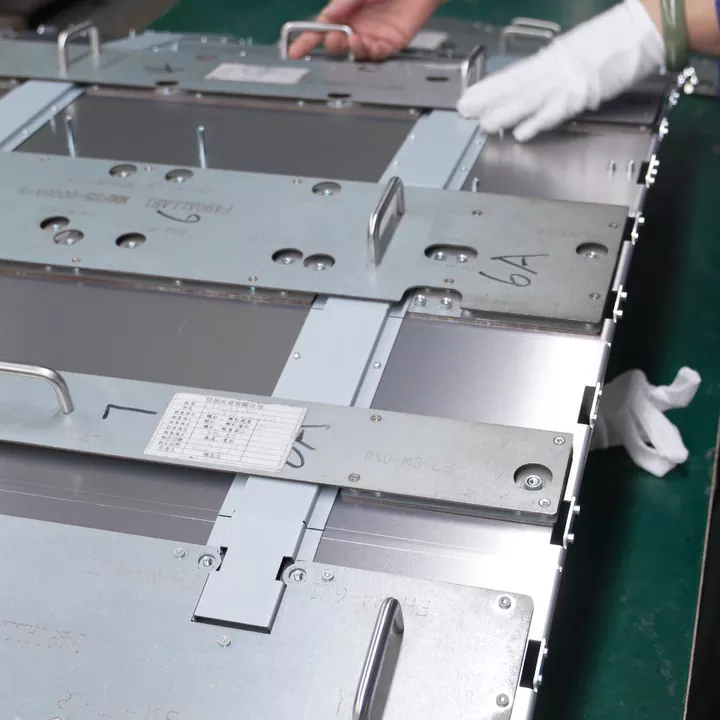
Based on years of custom sheet metal fabrication experience, Xinyang has observed that LCD Monitor Sheet Metal structures are no longer simple protective shells. They now require integrated solutions for thermal control, mechanical stability and equipment installation.
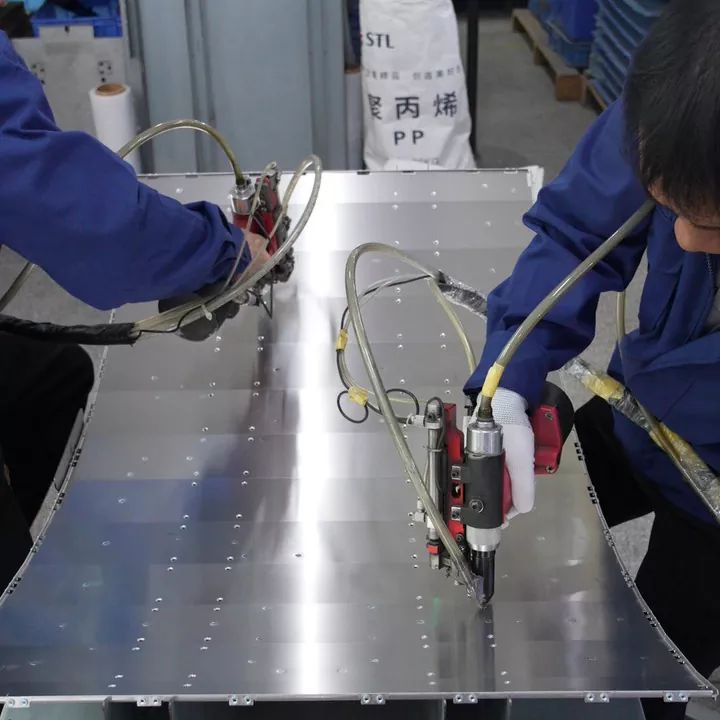
In the early stages of display equipment development, metal parts were mainly used as external protection. Today, the role of sheet metal has expanded. Modern LCD monitors often need to support larger screens, more compact internal layouts, improved heat dissipation, and more flexible installation methods.
The metal structure behind an LCD monitor affects not only appearance but also long-term reliability. A well-designed sheet metal housing can help maintain component positioning, reduce deformation risks, and provide a stable foundation for electronic modules.
As industrial displays, medical monitors, automation screens, and commercial display systems continue to develop, the requirements for metal structures are becoming more precise. Designers now pay closer attention to material selection, thickness control, structural reinforcement, and manufacturing accuracy.
Although lightweight materials are increasingly used in electronic products, sheet metal continues to play an important role in professional display applications because of its strength, stability, and processing flexibility.
Unlike ordinary consumer displays, many industrial LCD monitors need to operate in more demanding environments. They may face vibration, continuous operation, temperature changes, or frequent installation and maintenance requirements.
LCD Monitor Sheet Metal structures provide several practical advantages:
| Function | Contribution To Display Equipment |
|---|---|
| Structural support | Maintains screen and internal component stability |
| Protection | Reduces risks from external impact and environmental factors |
| Heat management | Supports ventilation and thermal design |
| Installation compatibility | Allows customized mounting solutions |
The purpose of sheet metal is not simply to make the housing stronger. The challenge is creating a structure that achieves the right balance between strength, weight, and manufacturing efficiency.
One of the key considerations in sheet metal design is material thickness.
A thicker metal panel generally provides stronger resistance to bending and external pressure. However, excessive thickness may increase weight and make the structure less flexible.
A thinner panel can reduce weight, but it requires better structural design to maintain rigidity.
Engineers usually evaluate:
before selecting the appropriate material thickness.
For example, an industrial display mounted on production equipment may require stronger structural support than a standard desktop monitor because it needs to withstand vibration and continuous operation.
The best design does not rely on maximum material thickness. Instead, it combines suitable thickness with reinforcement structures, accurate bending, and proper assembly methods.
The quality of an LCD monitor structure depends not only on the material but also on the manufacturing process.
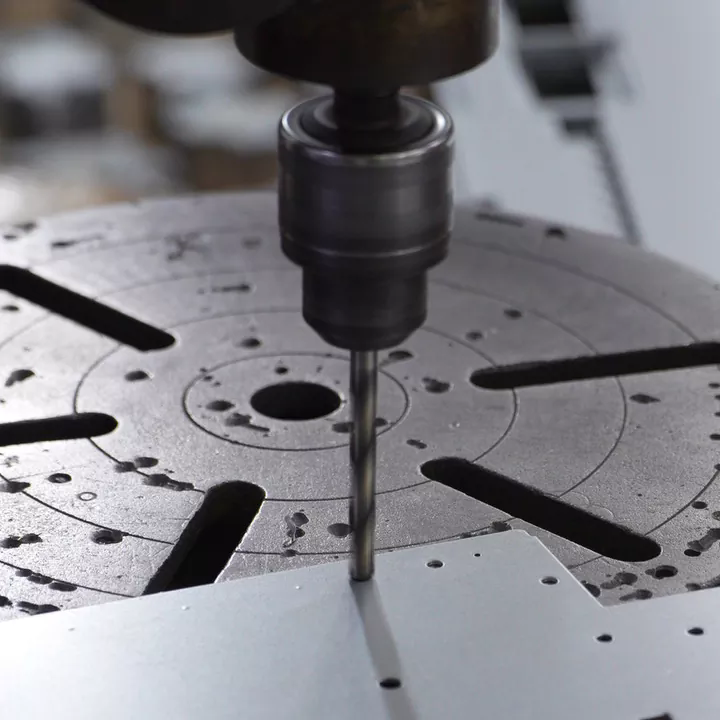
Modern sheet metal processing usually involves several stages:
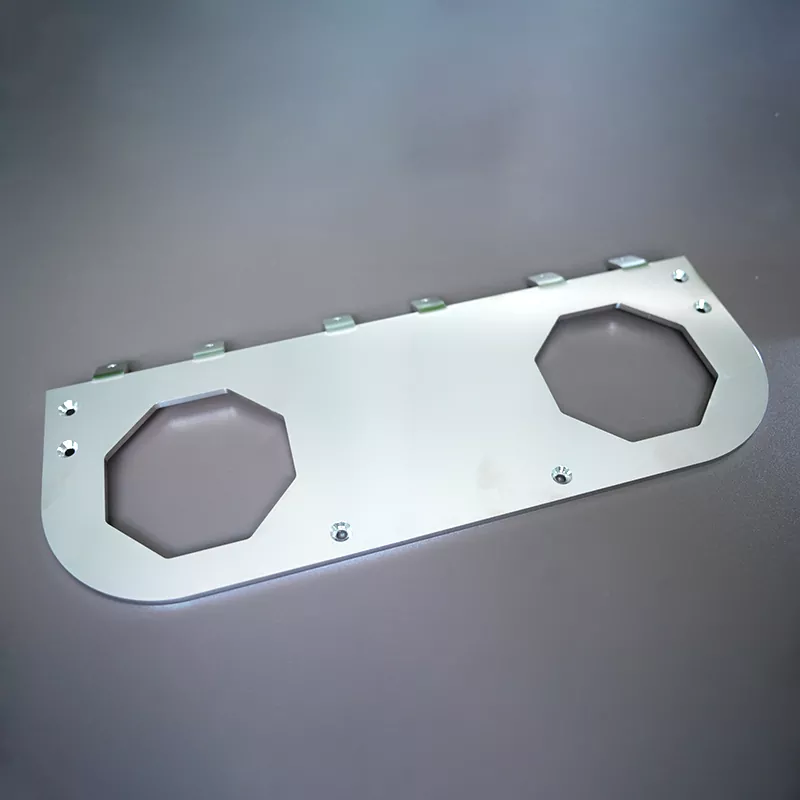
Laser cutting allows designers to create precise openings, mounting holes, and complex profiles according to digital drawings.
For LCD monitor housings, accurate cutting is important because small dimensional differences may affect:
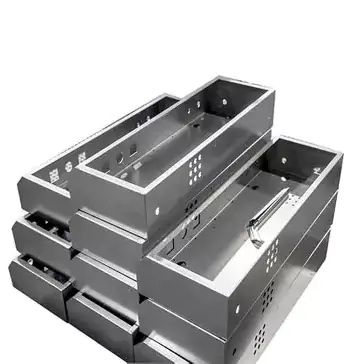
After cutting, flat metal sheets are formed into three-dimensional structures through CNC bending.
Proper bending accuracy helps maintain:
A carefully designed bend can improve rigidity without requiring additional material.
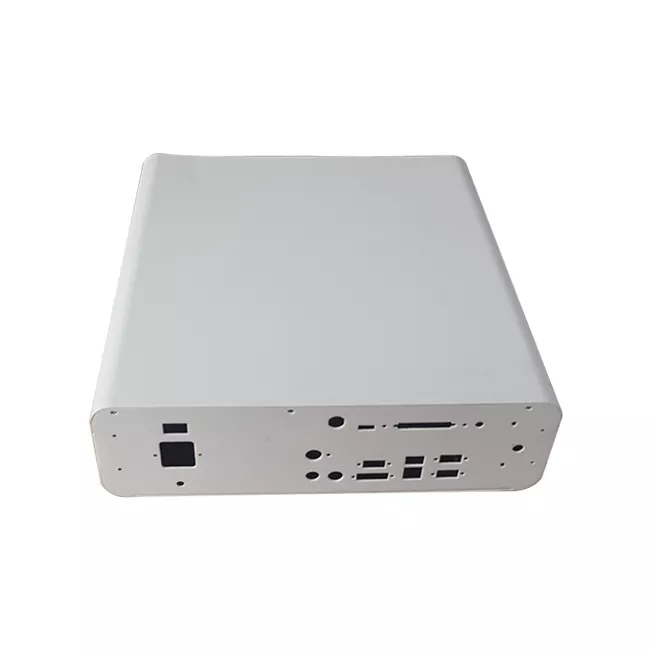
Some monitor structures require welded connections to achieve higher strength. After welding, surface treatment processes can improve appearance, corrosion resistance, and environmental durability.
These combined processes allow LCD Monitor Sheet Metal structures to meet different functional requirements.
Industrial display systems often have different requirements compared with everyday consumer electronics.
A factory control monitor, for example, may need the following:
A communication equipment display may focus more on:
Because application conditions vary, standardized designs cannot always meet every requirement. Customized sheet metal structures provide flexibility for different equipment environments.
The electronics industry continues to move toward thinner and lighter products. However, lightweight design does not mean simply reducing material.
A successful lightweight structure requires careful engineering.
Common approaches include:
| Design Method | Purpose |
|---|---|
| Optimized thickness selection | Reduces unnecessary weight |
| Reinforced bending structures | Improves rigidity |
| Accurate component layout | Reduces excess material |
| Efficient manufacturing processes | Improves production consistency |
For LCD monitor applications, lightweight structures can simplify installation while maintaining sufficient protection for internal electronics.
Located in Shipai Town, Dongguan, Xinyang has focused on sheet metal processing since 2016. The company operates a 6,000㎡ production facility with more than 50 personnel and over 100 pieces of equipment.
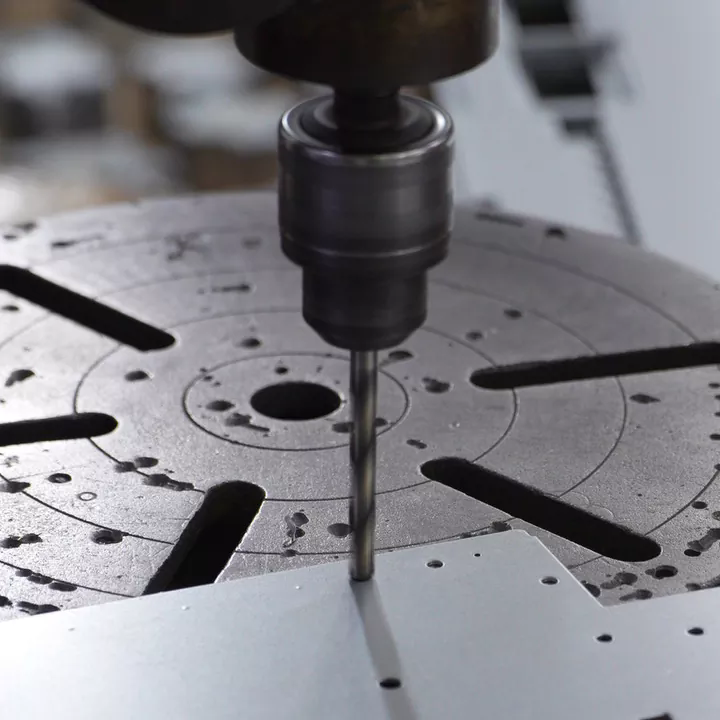
Its processing capabilities include laser cutting, CNC punching, CNC bending, welding, automatic spraying, and screen printing.
These processes support customized metal structures used in various fields, including:
| Application Area | Structural Requirements |
|---|---|
| Industrial displays | Accurate dimensions and stable mounting |
| Control equipment housings | Strength and protection |
| Electronic equipment cabinets | Heat management and component organization |
| Communication systems | Compact structure and integration |
Through drawing-based processing and practical manufacturing experience, Xinyang focuses on producing metal structures that match specific design requirements.
The development of display equipment continues to influence sheet metal design.
Future trends may include:
As displays become part of increasingly complex systems, their supporting metal structures will need to provide both mechanical reliability and design flexibility.
LCD Monitor Sheet Metal plays an important role in modern display equipment by providing structural support, protection, and design adaptability. The development of thinner displays and more demanding industrial applications has increased the need for precise material selection and reliable manufacturing processes.
Through continuous improvement in sheet metal processing technology, Dongguan Xinyang Industrial Co., Ltd. applies practical manufacturing experience to customized LCD Monitor Sheet Metal, industrial equipment housings, and precision metal structures used across different industries.