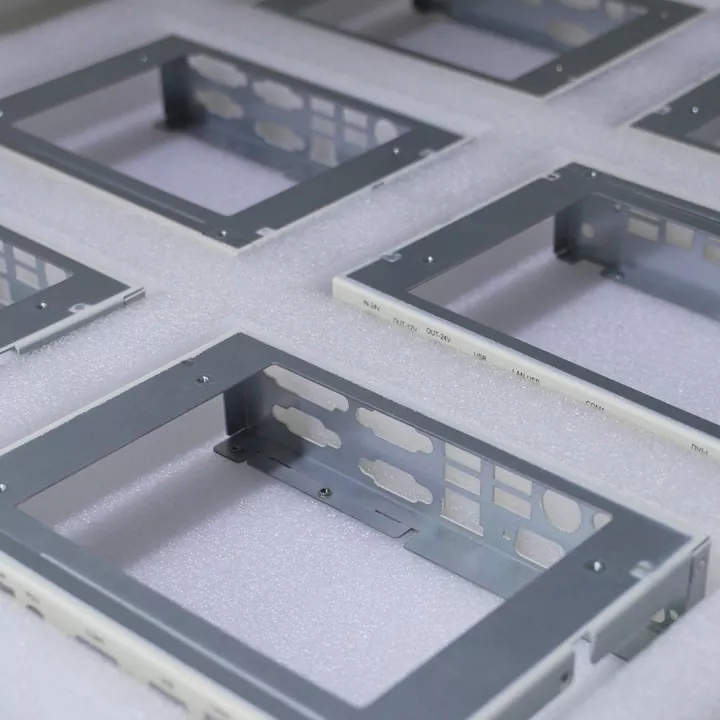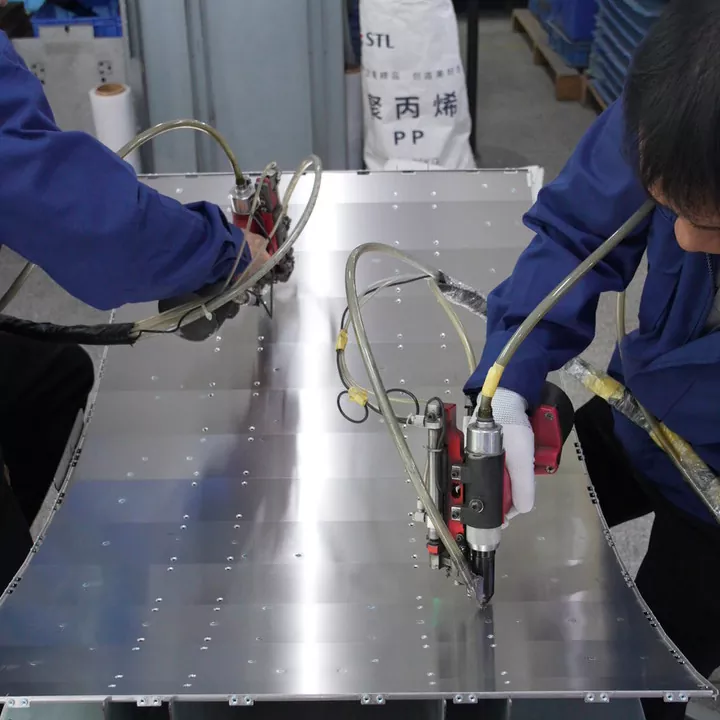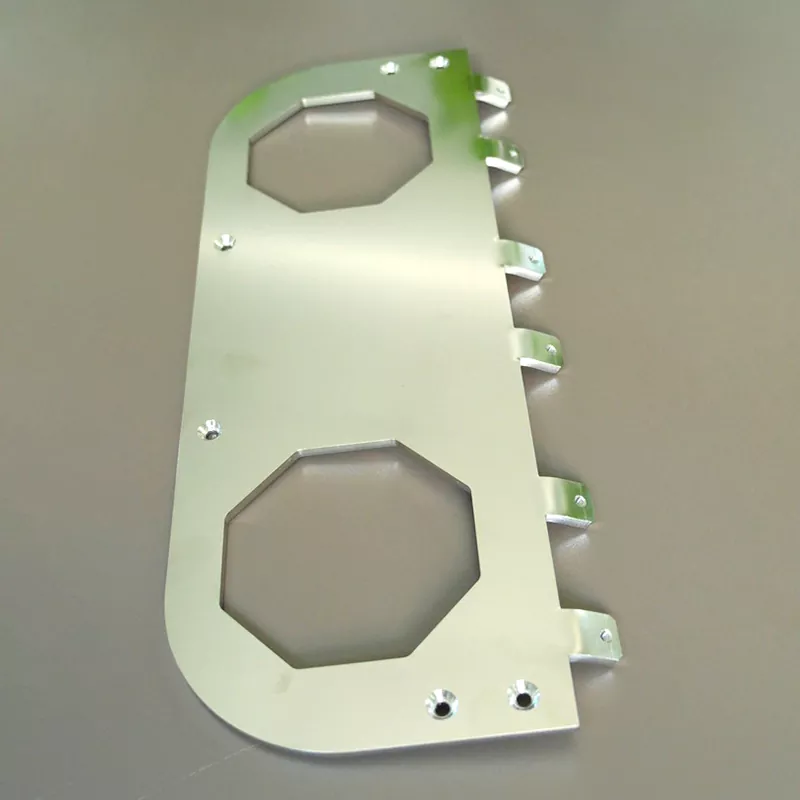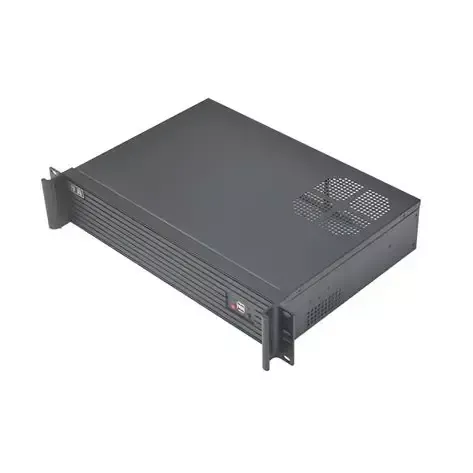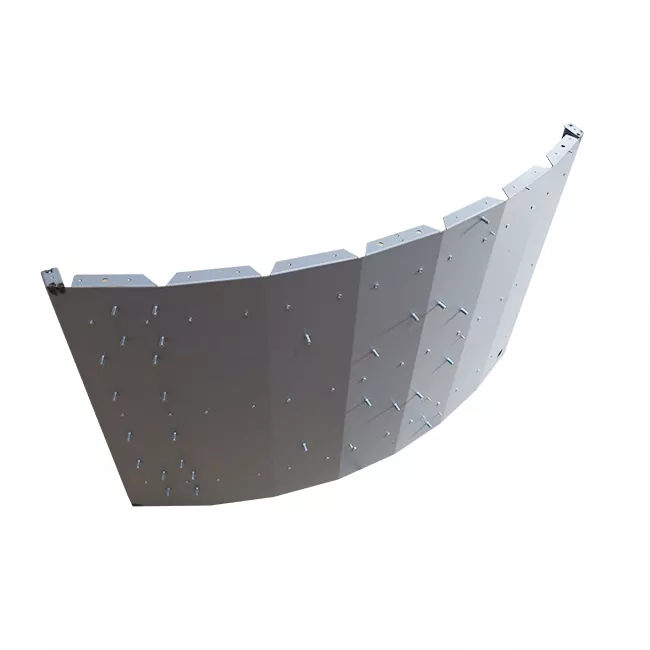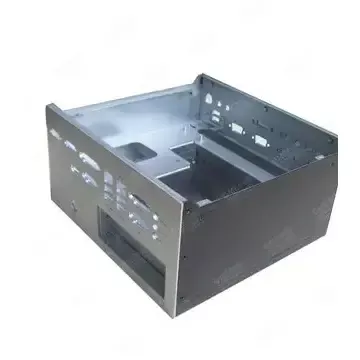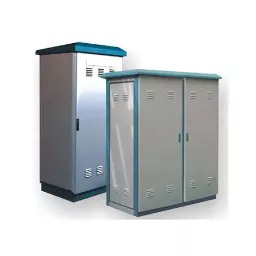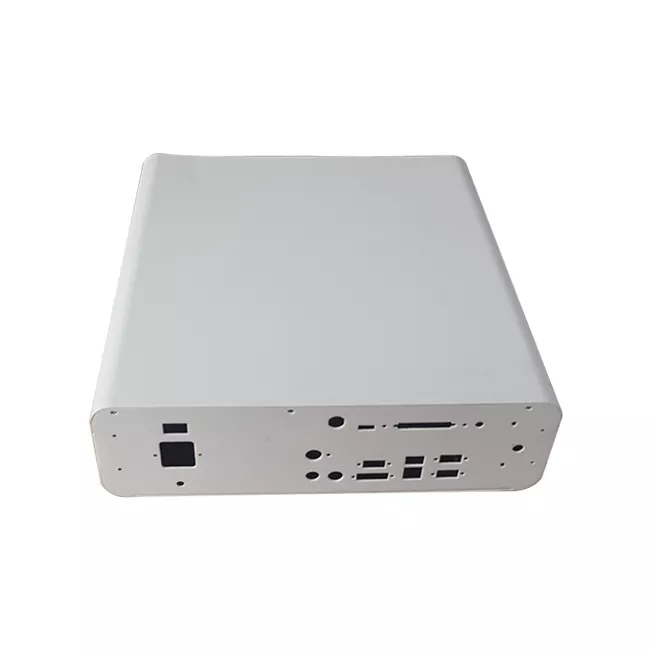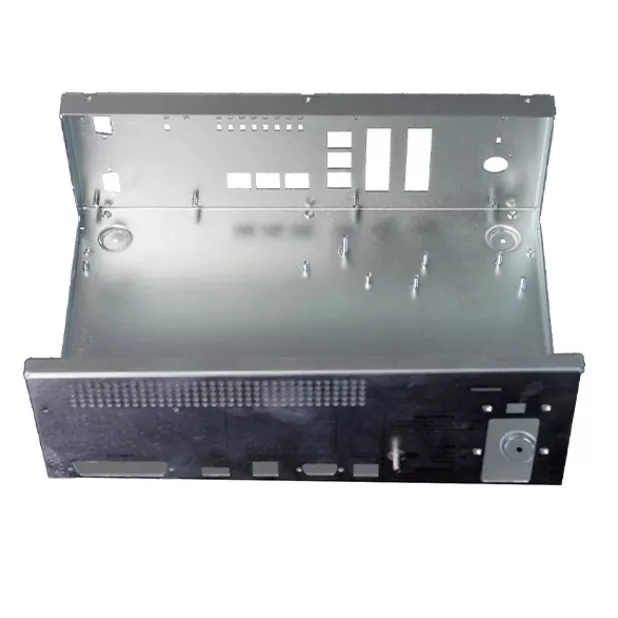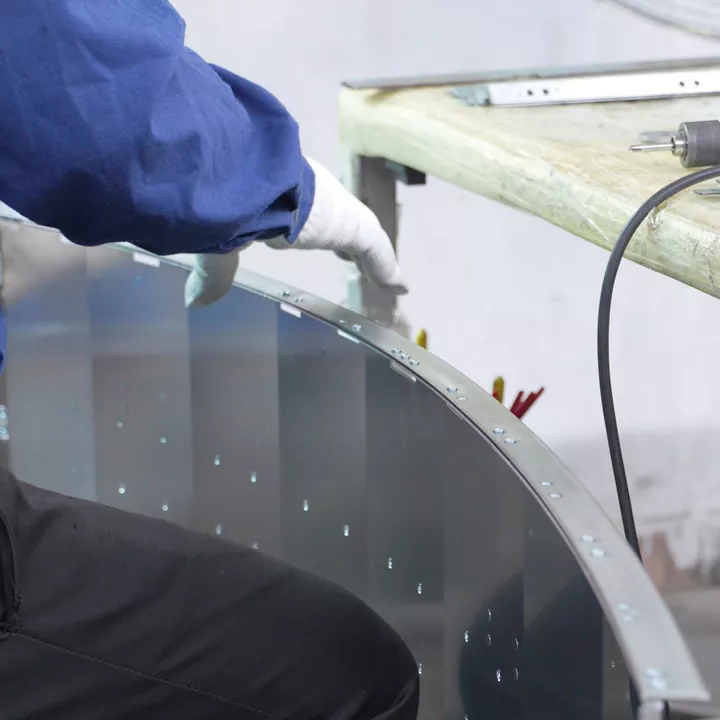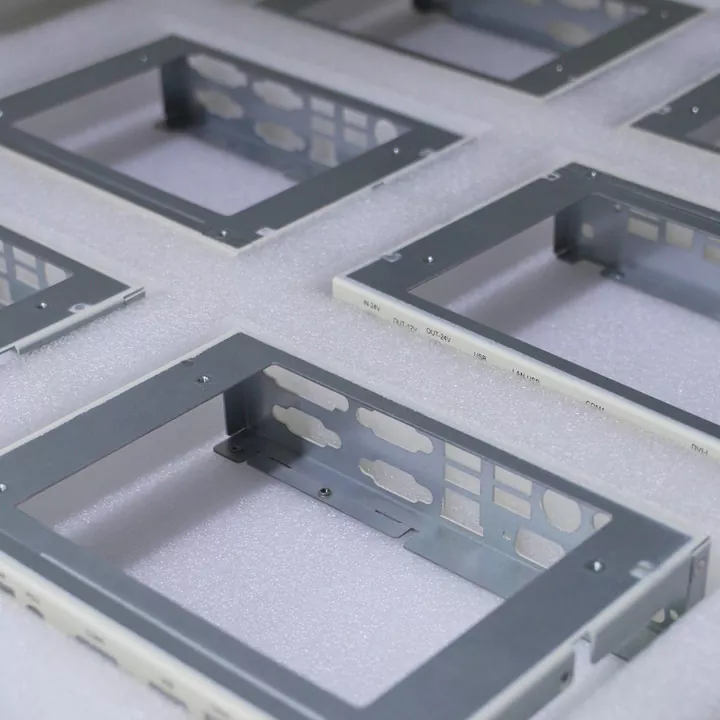
Xinyang Metal Electrical Cabinets for CNC reflect how modern machining equipment is adapting to smart manufacturing, where electrical integration, automation control, and equipment monitoring are reshaping cabinet design requirements. As CNC systems become more intelligent, electrical cabinets are no longer considered simple protective boxes but important structural components that influence machine stability and maintenance efficiency.
CNC Machines Are Changing The Function Of Electrical Cabinets
The development of smart manufacturing has changed the internal structure of CNC equipment. Traditional CNC machines mainly relied on basic control systems, while modern machining centers often include more complex electronic components, communication systems, and monitoring functions.
These changes have increased the demand for better-organized electrical spaces. A CNC electrical cabinet now needs to accommodate controllers, drives, power units, signal modules, and other components while maintaining appropriate protection and accessibility.
The cabinet itself does not perform machining operations, but its design affects how effectively the machine operates. Poor internal arrangement may create challenges related to heat accumulation, difficult maintenance, or inefficient wiring.
As manufacturing systems become more connected, electrical cabinet design is increasingly influenced by factors beyond basic protection, including system integration, component density, and future expansion requirements.
Smart Manufacturing Is Increasing Electrical Integration Inside CNC Systems
One of the main characteristics of smart manufacturing is the connection between machines and digital production systems.
CNC equipment is increasingly combined with sensors, industrial networks, and monitoring functions to collect information about machine operation. These additions improve production visibility but also increase the number of electrical components inside control systems.
This change creates several design considerations for electrical cabinets.
A higher number of components requires more careful space planning. Controllers, power devices, and communication modules often have different operating characteristics, so their positions need to be arranged according to heat generation, wiring requirements, and maintenance access.
The internal structure of the cabinet must also consider future adjustments. Manufacturing environments often change over time, and flexible layouts can make equipment upgrades easier.
Heat Management Becomes A Major Challenge For CNC Cabinet Design
As electronic components become more compact, heat management has become one of the important issues in CNC electrical systems.
Power supplies, servo drives, and control modules generate heat during operation. When multiple components are installed in a limited space, temperature control becomes more difficult.
The metal cabinet structure influences airflow and heat distribution. Ventilation openings, internal spacing, and component arrangement all affect the operating environment.
| Design Factor | Influence On Cabinet Performance |
|---|---|
| Component spacing | Affects airflow and heat concentration |
| Ventilation design | Helps regulate internal temperature |
| Cabinet dimensions | Determines available installation space |
| Material selection | Influences structural stability |
Effective thermal management does not rely on a single method. It requires cooperation between electrical layout, mechanical structure, and manufacturing design.
How Sheet Metal Processing Shapes CNC Electrical Cabinet Structures
The manufacturing process of an electrical cabinet directly affects its accuracy and durability.
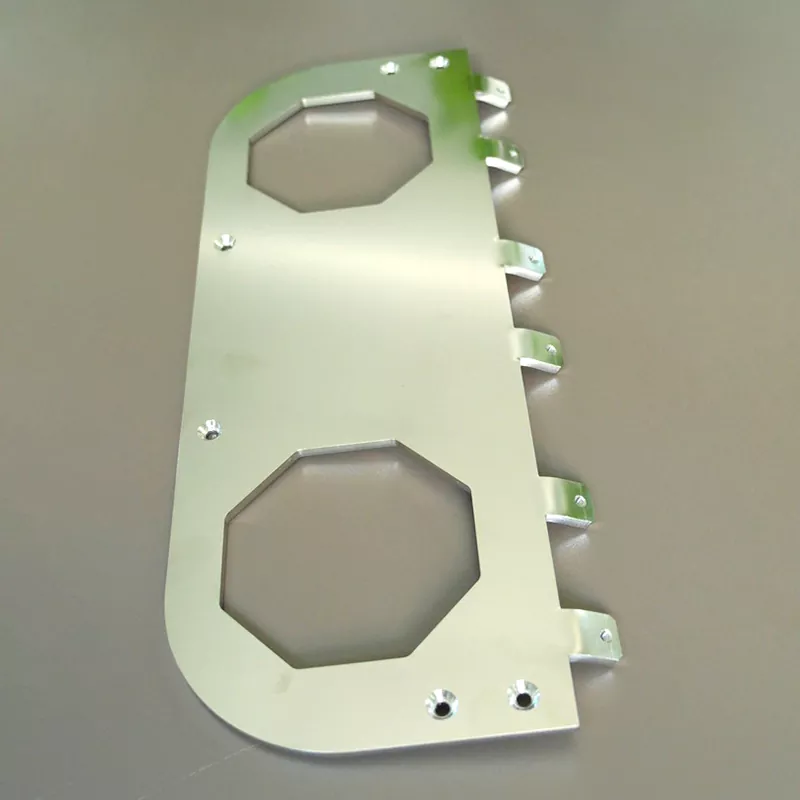
Laser cutting is widely used for creating cabinet panels, cable openings, and mounting structures. Because the process follows digital drawings, it allows complex designs to be produced with consistent dimensions.
CNC punching is commonly applied to repeated openings, ventilation patterns, and standardized mounting positions. It is suitable for structures requiring multiple identical features.
After cutting and punching, bending processes transform flat metal sheets into three-dimensional structures. The accuracy of bending affects panel alignment, assembly quality, and overall rigidity.
Welding connects different sections when stronger structural support is required. After fabrication, surface treatment helps improve resistance against environmental factors such as moisture and corrosion.
These processes work together to create electrical cabinet structures that match the requirements of modern CNC equipment.
Why Cabinet Layout Affects CNC Equipment Maintenance
Maintenance efficiency is becoming an important consideration in industrial equipment design.
CNC machines often operate for long periods, and electrical components may require inspection, replacement, or adjustment during their service life.
A well-planned cabinet layout allows easier access to wiring, control modules, and power components. Clear separation between different electrical sections can also reduce troubleshooting time.
For example, separating power components from sensitive control modules helps reduce interference risks, while organized cable routing makes future maintenance more convenient.
This is especially important in automated production environments where equipment downtime can influence overall manufacturing processes.
Lightweight And Compact Cabinet Structures Are Becoming More Common
Another trend in CNC electrical cabinet development is the move toward more compact structures.
Modern factories often require equipment that occupies less space while maintaining high functionality. This creates pressure to optimize cabinet dimensions without reducing protection performance.
Engineers are increasingly focusing on:
- More efficient internal layouts
- Optimized sheet metal thickness
- Integrated structural designs
- Improved component placement
The objective is not simply making cabinets smaller. The challenge is maintaining strength, accessibility, and thermal performance within a limited space.
Digital Manufacturing Is Improving Sheet Metal Cabinet Production
The growth of digital manufacturing is also influencing how electrical cabinets are designed and produced.
Three-dimensional modeling, computer-aided design, and automated processing equipment allow designers to evaluate structures before fabrication begins.
Digital workflows help identify potential issues related to:
- Component interference
- Assembly difficulty
- Material usage
- Manufacturing limitations
This reduces unnecessary modifications during production and improves the connection between design and fabrication.
For customized industrial equipment, this approach is becoming increasingly important because different machines often require different cabinet structures.
Future Development Direction Of CNC Electrical Cabinets
The future development of Metal Electrical Cabinets for CNC will continue to follow the broader trends of intelligent manufacturing.
Higher levels of automation will require more integrated electrical systems. More sensors and communication modules will increase the need for organized internal structures.
At the same time, manufacturers of industrial equipment will continue to focus on reducing cabinet size, improving thermal control, and increasing adaptability.
The electrical cabinet will remain an essential part of CNC systems because it connects mechanical equipment with the electronic systems that control modern manufacturing processes.
Conclusion
Metal Electrical Cabinets for CNC are evolving because CNC machines are becoming more connected, intelligent, and electrically complex. Modern cabinet design now involves more than physical protection; it requires consideration of component integration, thermal management, maintenance access, and manufacturing accuracy.
As smart manufacturing continues to develop, advances in sheet metal processing, digital design, and industrial automation will continue shaping the next generation of CNC electrical cabinet structures.