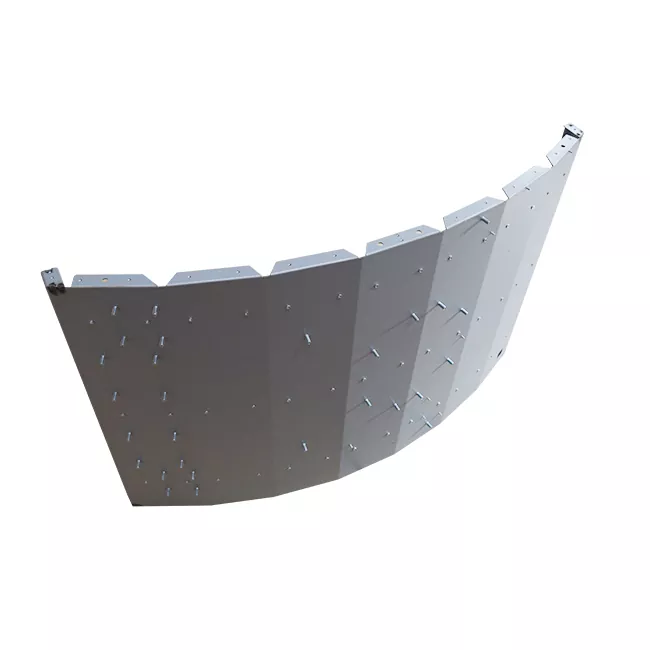
Xinyang Curved Sheet Metal solutions are gaining attention as architects and engineers explore more efficient approaches to creating modern building facades with reduced material waste and improved design flexibility. As construction moves toward smarter resource use, curved metal structures are becoming an important option for projects that require both aesthetic expression and practical performance.
The construction industry has been looking for new ways to reduce waste, improve energy efficiency, and create buildings that can adapt to changing environmental requirements. Traditional facade production often involves complex cutting, excessive material preparation, and large amounts of leftover material when creating customized shapes.
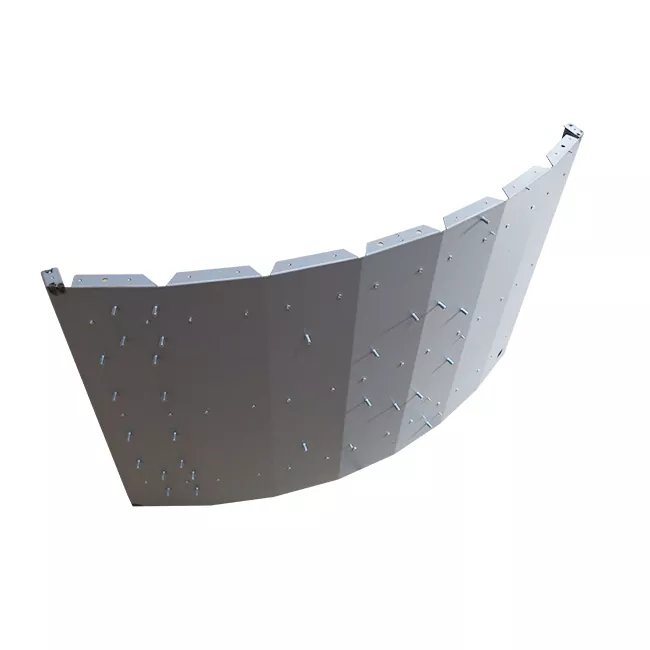
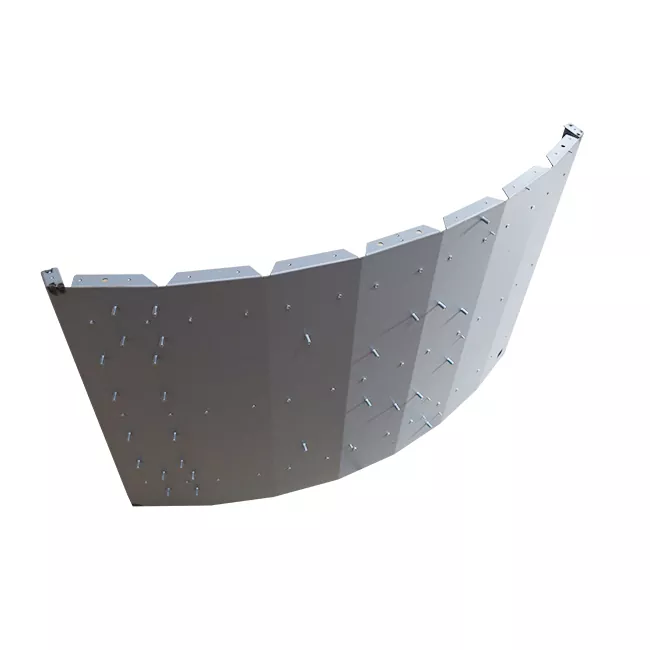
Curved sheet metal offers a different approach. Instead of relying on multiple assembled pieces to achieve a complex appearance, carefully designed curved panels can create smooth architectural surfaces while using materials more efficiently.
The idea of zero-waste construction does not mean that every project can completely eliminate leftover materials. Instead, it focuses on reducing unnecessary consumption through better planning, digital design, and optimized manufacturing processes.
For modern facade systems, curved metal components provide architects with greater freedom while helping construction teams manage material usage more effectively.
Building facades have changed significantly over the past decades. They are no longer only protective outer layers; they now contribute to energy management, visual identity, weather resistance, and building performance.
Curved metal panels are increasingly used in:
Compared with flat panels, curved structures can create more complex visual effects while maintaining the durability expected from metal materials.
| Feature | Impact On Building Facades |
|---|---|
| Smooth curved surfaces | Creates unique architectural appearances |
| Lightweight structure | Reduces additional load requirements |
| Customizable dimensions | Supports different design concepts |
| Durable metal properties | Provides long-term outdoor performance |
The increasing demand for customized architectural designs has encouraged more attention toward advanced sheet metal forming technologies.
The relationship between curved metal and zero-waste concepts mainly comes from improved design and manufacturing control.
Traditional fabrication methods may require multiple adjustments to create complex facade shapes. Poor planning can result in unnecessary cutting, additional materials, and higher processing requirements.
Modern manufacturing methods help change this situation.
Before production begins, digital models allow engineers to evaluate:
This early planning reduces unexpected modifications during fabrication.
Advanced cutting technologies can follow accurate digital patterns, allowing manufacturers to optimize material layouts.
Better nesting arrangements help maximize the usable area of metal sheets and reduce leftover sections.
Curved panels require controlled forming processes to maintain consistent shapes.
Accurate bending and forming help avoid repeated adjustments and improve the overall utilization of materials.
One reason architects choose curved sheet metal is the ability to combine appearance and function.
However, creating curved structures requires careful consideration of several factors:
| Design Factor | Importance |
|---|---|
| Material thickness | Influences strength and weight |
| Curvature radius | Determines forming feasibility |
| Connection design | Affects installation stability |
| Surface treatment | Improves weather resistance |
A visually impressive facade still needs to withstand environmental conditions such as wind pressure, temperature changes, and long-term exposure.
This means successful curved facade systems depend on cooperation between architectural design and manufacturing knowledge.
Creating curved sheet metal components involves more than shaping a metal panel. The process usually combines several production stages.
The first stage involves cutting raw metal sheets into accurate shapes according to design drawings.
Precise cutting ensures that each panel matches the required dimensions before forming.
After cutting, metal panels are shaped through appropriate forming techniques.
The goal is to achieve the required curvature while maintaining surface quality and structural integrity.
Because facade materials are exposed to outdoor environments, surface protection is essential.
Coating and finishing processes can improve resistance against:
Together, these processes allow curved metal panels to maintain both appearance and functionality over extended periods.
Unlike standardized industrial parts, architectural facade components often involve unique dimensions and project-specific requirements.
Manufacturing teams need to consider:
A small difference in curvature or dimension may affect the alignment of multiple facade panels.
Experience in sheet metal processing helps bridge the gap between creative design concepts and practical construction requirements.
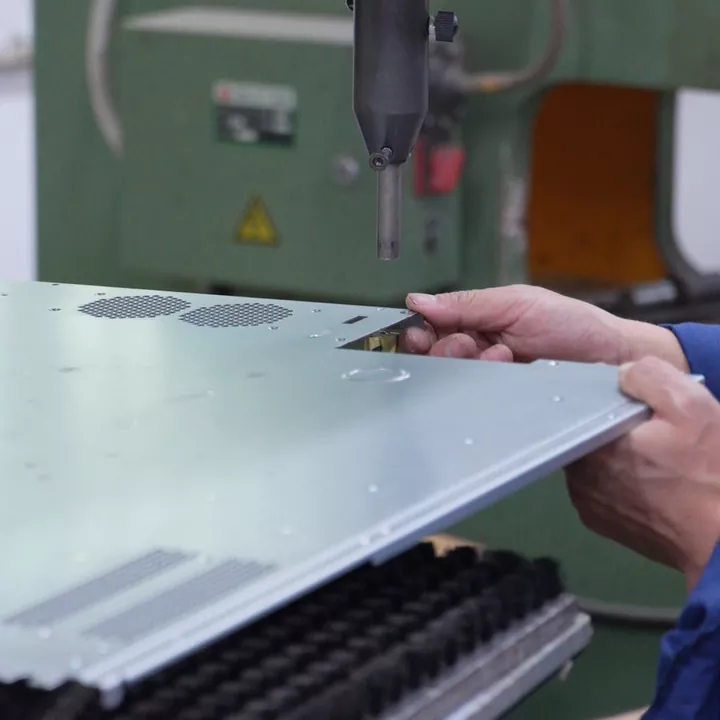
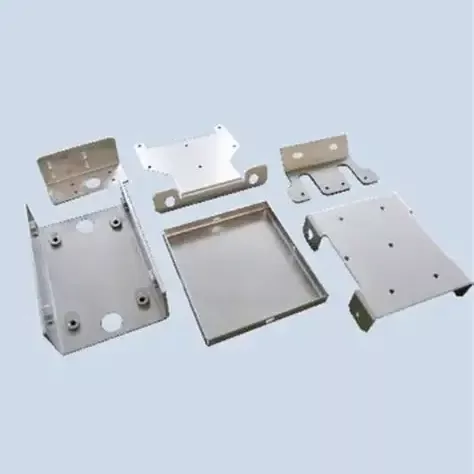
Located in Shipai Town, Dongguan, Xinyang has focused on customized sheet metal processing since 2016. The company operates a 6,000㎡ production facility with more than 50 personnel and over 100 pieces of professional equipment.
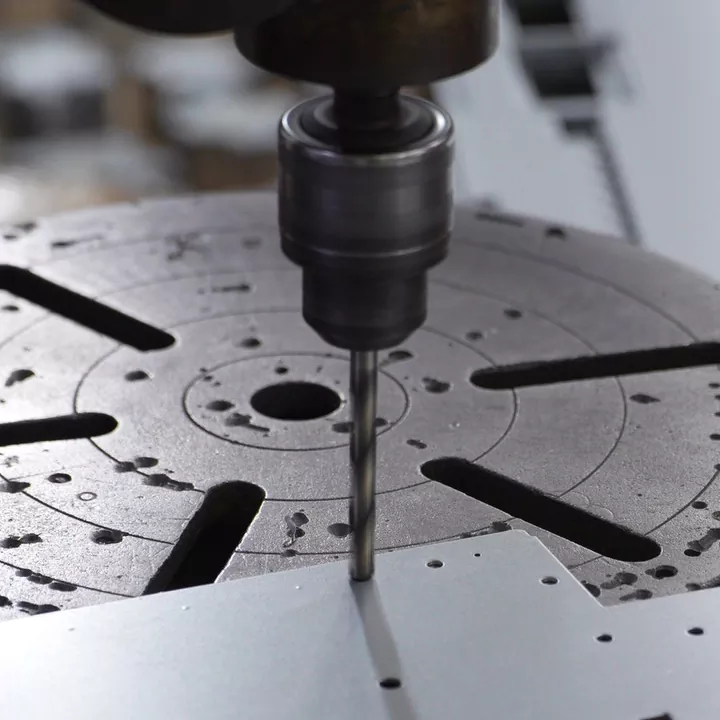
Its processing capabilities include laser cutting, CNC punching, CNC bending, welding, automatic spraying, and screen printing.
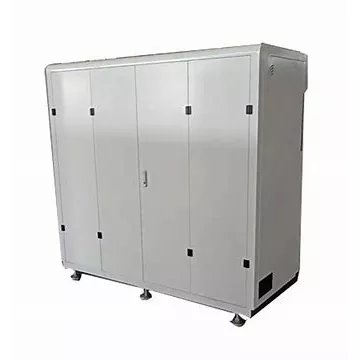
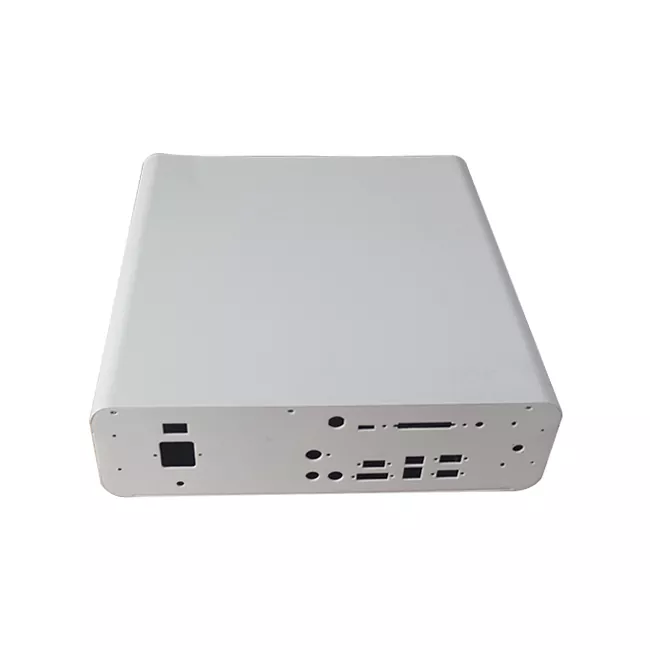
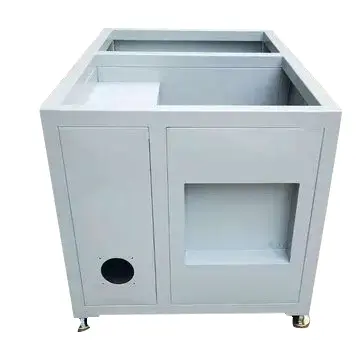
Although Xinyang mainly serves industrial applications such as equipment housings, control cabinets, electrical boxes, and customized metal structures, these manufacturing capabilities are closely related to the precision requirements needed for complex metal components.
| Processing Capability | Application Value |
|---|---|
| Laser cutting | Accurate shapes and customized profiles |
| CNC bending | Controlled forming and structural consistency |
| Welding | Stable connections between components |
| Surface treatment | Improved appearance and protection |
These technologies demonstrate how modern sheet metal manufacturing can support diverse structural requirements beyond traditional industrial applications.
The future of building facades will likely involve a combination of advanced materials, digital design, and more efficient manufacturing methods.
Curved sheet metal is not a universal replacement for every facade material, but it provides valuable advantages in projects where designers require:
As sustainability becomes a stronger consideration in construction, manufacturing methods that improve material efficiency will continue to attract attention.
Curved sheet metal represents a new direction in facade development by combining design flexibility, structural performance, and more efficient material usage. While zero-waste construction remains a long-term goal, optimized design and precision manufacturing are helping reduce unnecessary resource consumption.
With experience in customized sheet metal processing, Dongguan Xinyang Industrial Co., Ltd. continues to develop advanced metal fabrication capabilities for industrial housings, structural components, and customized sheet metal applications, supporting the broader evolution of efficient metal manufacturing.