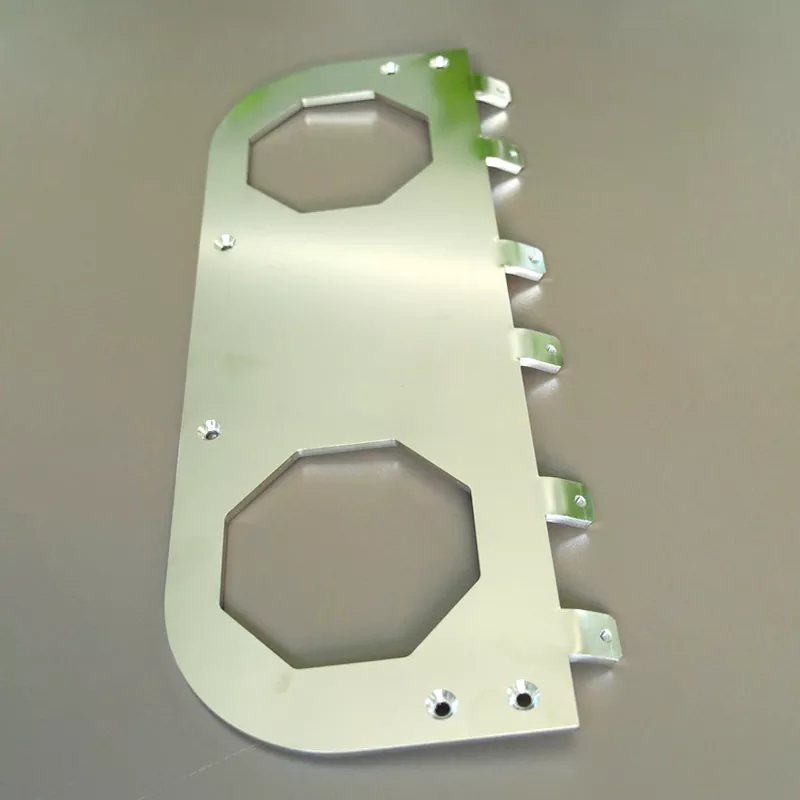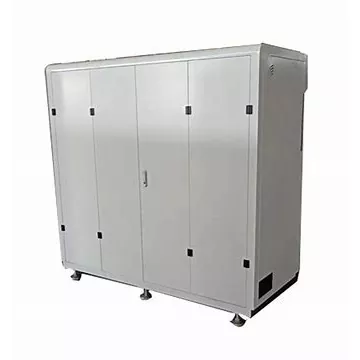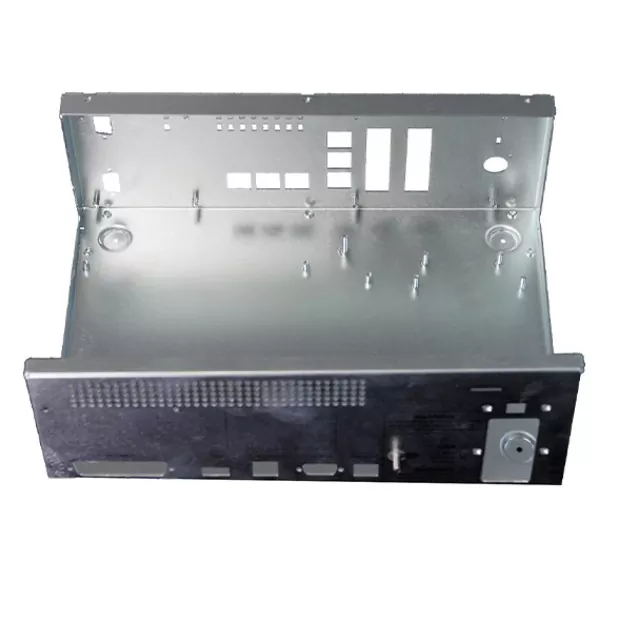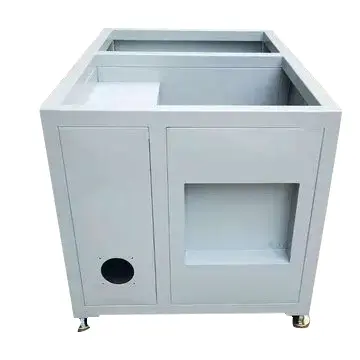
Precision sheet metal fabrication is a core manufacturing process that directly determines product accuracy, structural reliability, and production efficiency across multiple industries. This article provides a comprehensive explanation of how precision sheet metal fabrication works, the challenges customers commonly face, and how to select the right fabrication partner. By understanding materials, processes, quality control, and application scenarios, businesses can reduce defects, control costs, and achieve stable long-term production results.

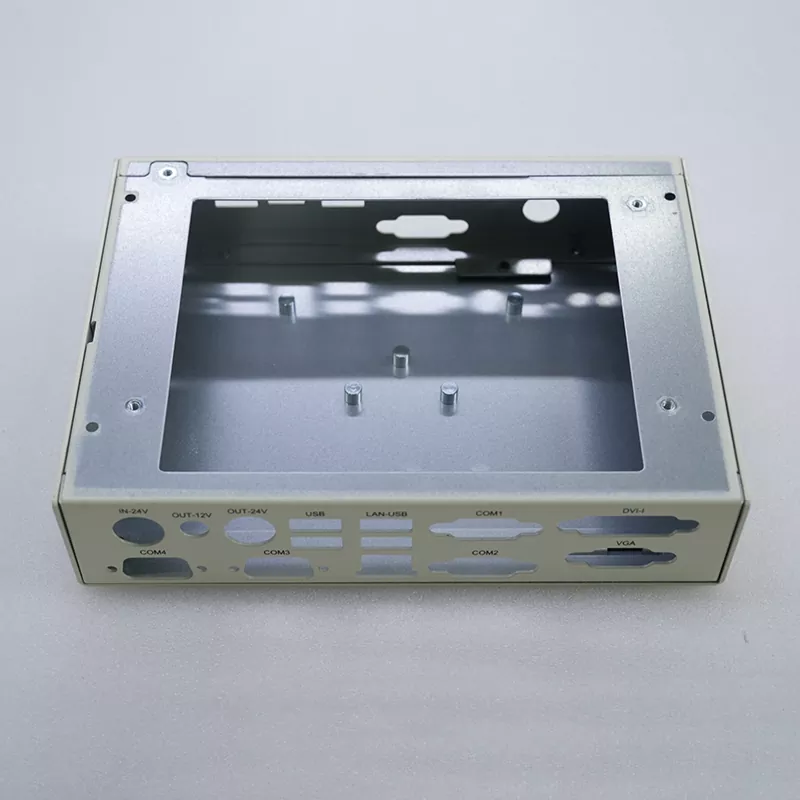
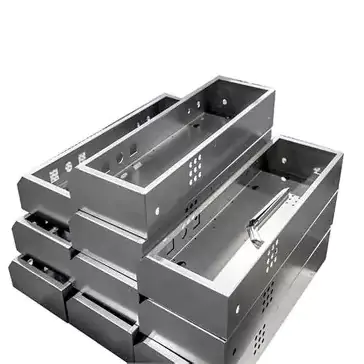
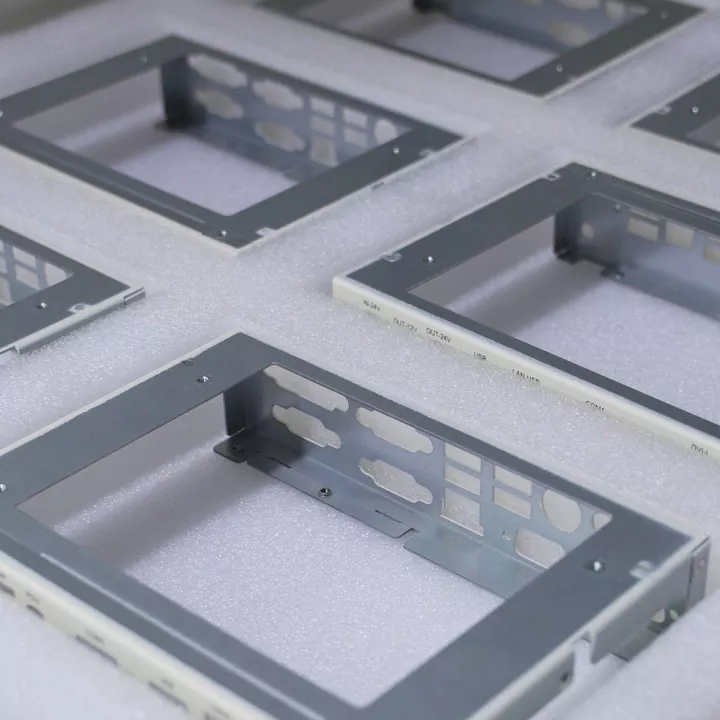
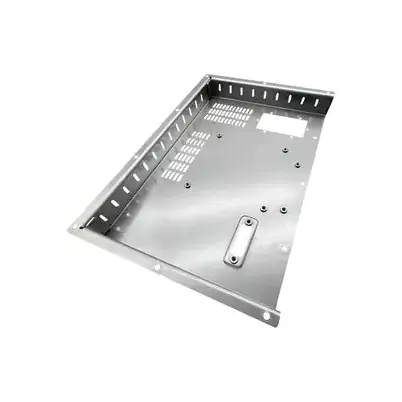
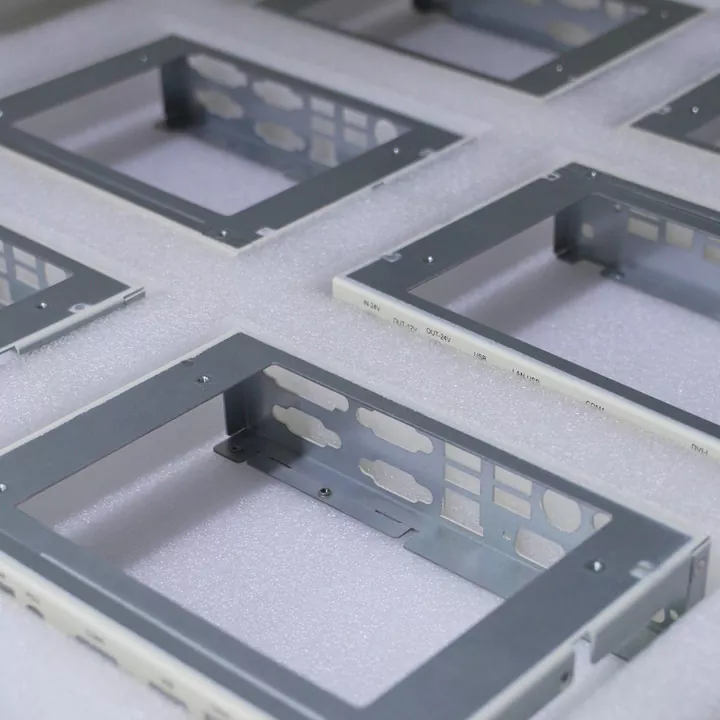
Precision sheet metal fabrication is the process of cutting, bending, forming, and assembling metal sheets into highly accurate components or finished products. Unlike conventional metalworking, this approach emphasizes tight tolerances, repeatability, and dimensional stability. It is widely used in industries where even minor deviations can affect performance, safety, or assembly compatibility.
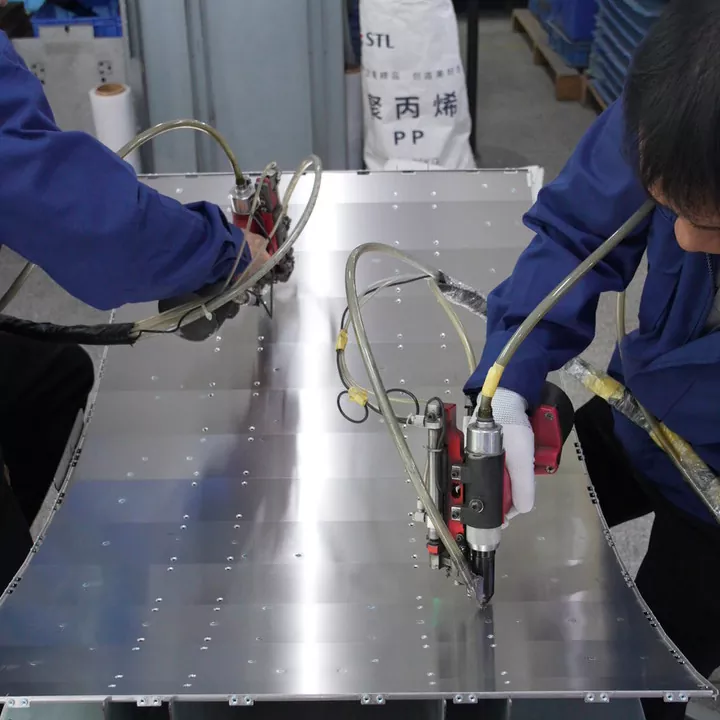
Modern precision sheet metal fabrication relies on advanced equipment, digital design integration, and strict process control. Xinyang focuses on combining technical expertise with automated machinery to ensure every fabricated part meets exact specifications.
Customers seeking precision sheet metal fabrication often encounter recurring challenges that impact timelines, budgets, and product quality.
These issues typically arise from outdated equipment, insufficient quality control, or lack of process integration.
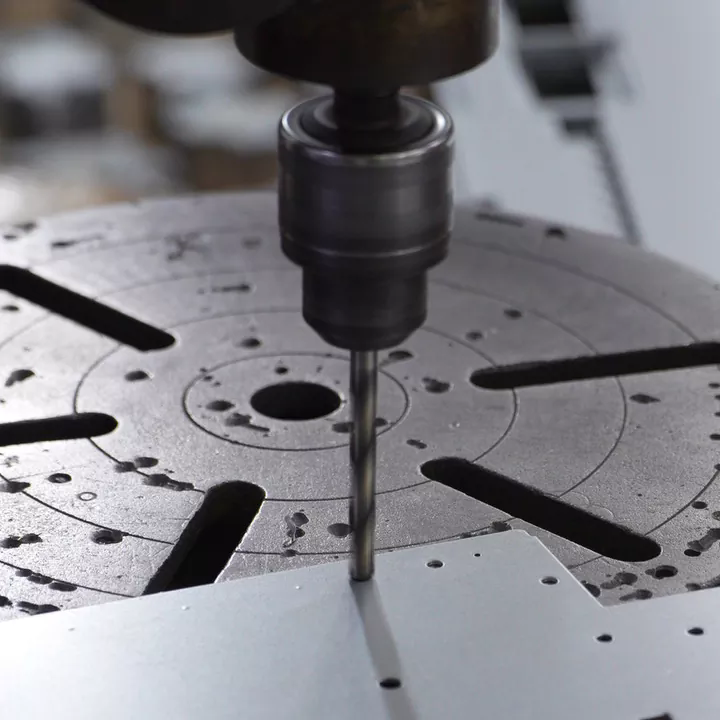
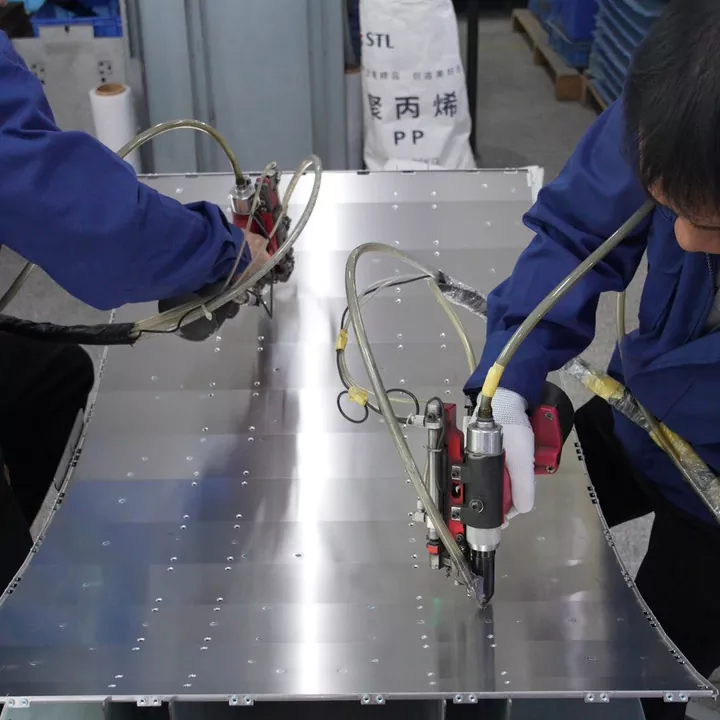
Precision sheet metal fabrication involves multiple interconnected processes, each requiring accuracy and consistency.
By integrating these processes under a unified production workflow, Xinyang ensures consistent results from raw material to finished product.
Material selection plays a critical role in precision sheet metal fabrication, affecting strength, machinability, and final performance.
Each material requires specific processing parameters to maintain dimensional accuracy and surface integrity.
Achieving precision in sheet metal fabrication is the result of controlled variables throughout the production cycle.
Xinyang applies these principles to ensure that fabricated components consistently meet customer drawings and functional requirements.
| Process | Precision Level | Key Benefit | Typical Use |
|---|---|---|---|
| Laser Cutting | High | Clean edges, tight tolerance | Complex profiles |
| CNC Bending | High | Repeatable angles | Structural parts |
| Welding | Medium–High | Strong joints | Assemblies |
| Surface Finishing | Consistent | Protection and aesthetics | Final products |
Quality control is essential in precision sheet metal fabrication to ensure reliability and repeatability. Effective quality systems include dimensional inspection, material traceability, and process documentation.
Xinyang implements systematic quality checks at every production stage, reducing variation and ensuring that each delivered component meets defined specifications.
Precision sheet metal fabrication supports a wide range of industries where accuracy and durability are essential.
What tolerance levels can precision sheet metal fabrication achieve?
Tolerance depends on material and process, but modern equipment can achieve very tight dimensional control.
Can precision sheet metal fabrication support both prototypes and mass production?
Yes. Scalable processes allow seamless transition from prototyping to full-scale manufacturing.
How does material choice affect precision?
Different metals respond differently to cutting and forming, requiring adjusted parameters to maintain accuracy.
What factors influence production lead time?
Design complexity, material availability, and finishing requirements all impact delivery schedules.
Precision sheet metal fabrication is essential for producing reliable, high-quality components in demanding industries. By understanding processes, materials, and quality control methods, businesses can reduce risk, improve efficiency, and ensure consistent performance. Selecting an experienced fabrication partner is critical to long-term success.
Xinyang provides professional precision sheet metal fabrication services tailored to diverse industrial needs. If you are seeking accurate, stable, and scalable metal fabrication solutions, contact us today to discuss your project requirements and discover how Xinyang can support your manufacturing goals.