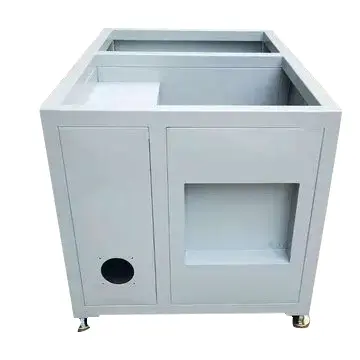
Abstract: Chassis sheet metal is a crucial component in modern machinery, electronics, and industrial equipment. It not only provides structural support but also enhances heat dissipation, durability, and aesthetic appeal. This article explores the benefits, manufacturing processes, and considerations when choosing chassis sheet metal, offering practical guidance for engineers, designers, and procurement specialists.
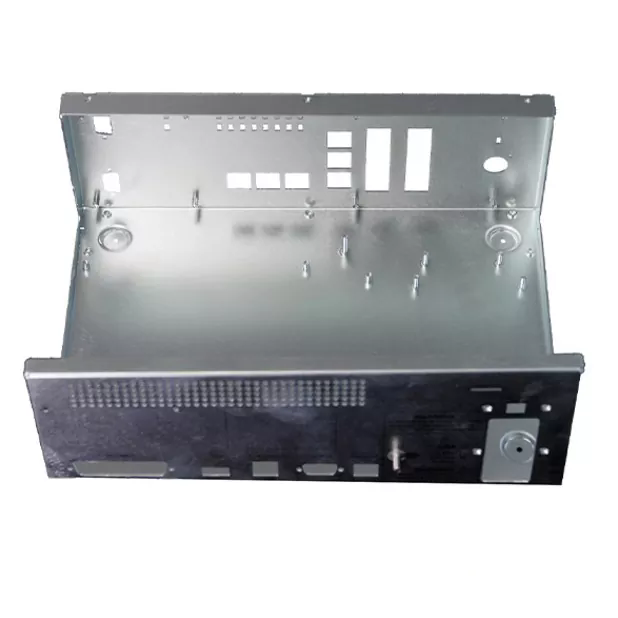
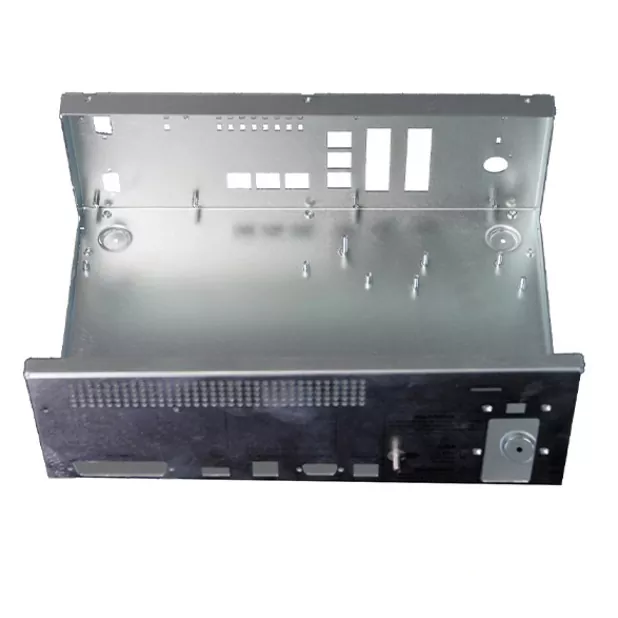
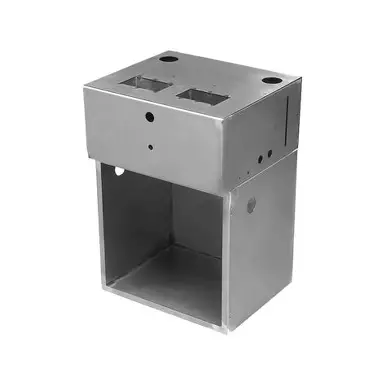
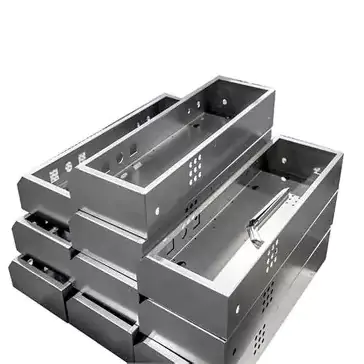
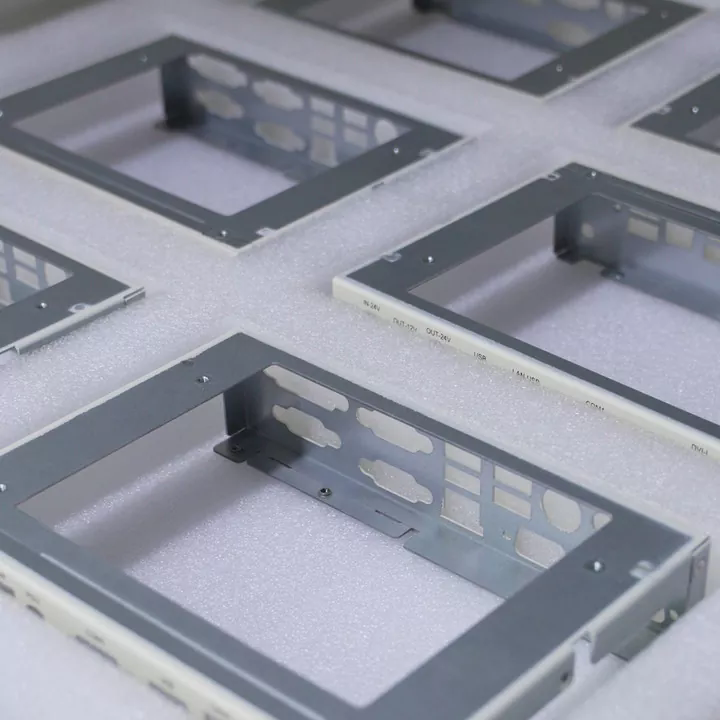
Chassis sheet metal serves as the backbone of numerous equipment types, ranging from industrial machines to consumer electronics. It provides essential structural integrity while maintaining a lightweight profile. The design and quality of chassis sheet metal can significantly influence the performance, reliability, and lifespan of the equipment.
Choosing the right chassis sheet metal offers multiple advantages:
| Benefit | Description |
|---|---|
| Structural Support | Provides a solid framework that supports internal components and withstands stress. |
| Durability | Resists wear, corrosion, and impact to extend equipment life. |
| Thermal Management | Improves heat dissipation, critical for electronics and high-performance machinery. |
| Design Flexibility | Supports custom shapes, sizes, and finishes for aesthetic and functional purposes. |
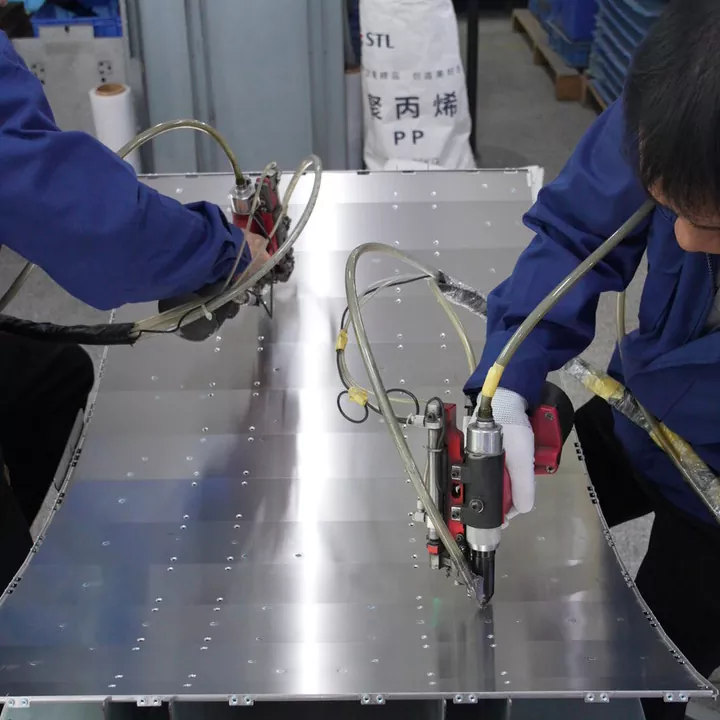
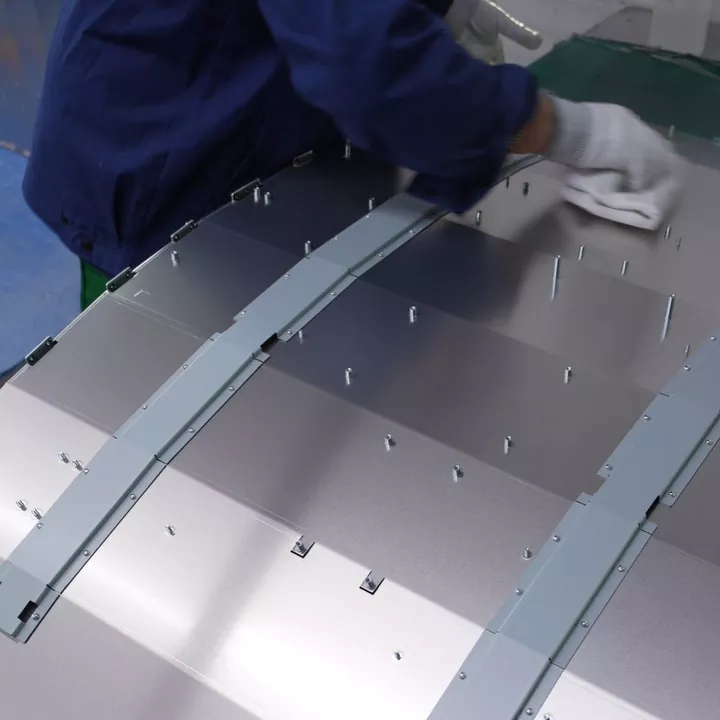
The production of chassis sheet metal involves several precise processes to ensure quality and performance:
Choosing the right material is critical for performance, cost, and manufacturability:
Key considerations include load-bearing requirements, environmental conditions, budget constraints, and surface finishing preferences.
Chassis sheet metal is widely used across multiple sectors:
Each application demands specific materials, thicknesses, and surface treatments to meet functional and regulatory requirements.
Thickness varies based on load requirements and design constraints. Common ranges are 0.8mm to 3.0mm for most industrial and electronic applications.
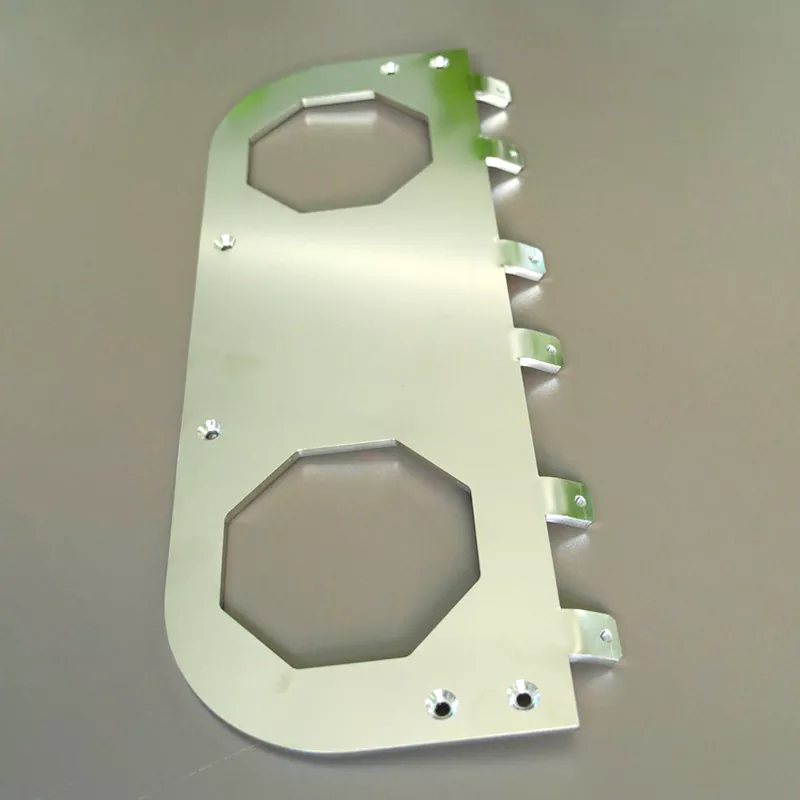
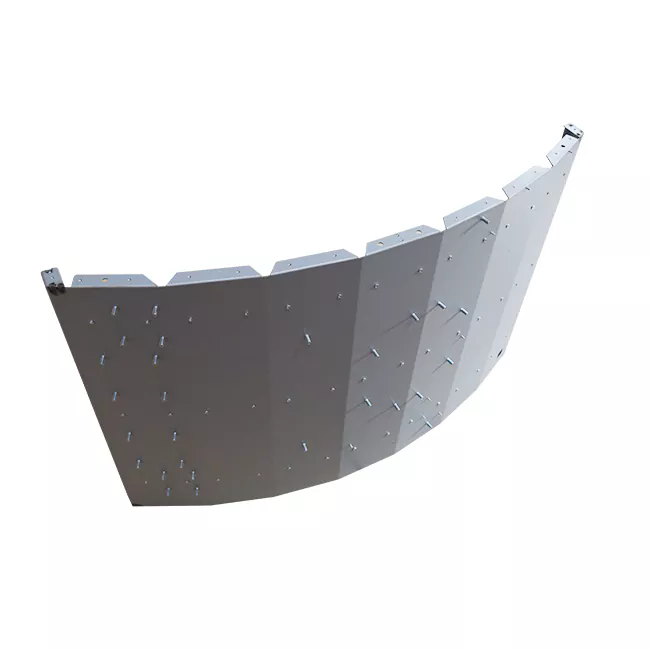
Yes, modern fabrication techniques like CNC punching, laser cutting, and bending allow for highly customizable designs.
Surface treatments such as powder coating and anodizing improve corrosion resistance, thermal performance, and aesthetics, extending the lifespan of the chassis.
Lead times vary depending on design complexity, material selection, and production volume. Typically, it ranges from 2 to 6 weeks.
Investing in high-quality chassis sheet metal ensures improved structural integrity, durability, thermal management, and design flexibility for your equipment. By carefully selecting the material, manufacturing process, and surface finish, businesses can enhance performance and reliability while reducing long-term maintenance costs.
For premium chassis sheet metal solutions tailored to your needs, Xinyang offers professional guidance and high-quality manufacturing. Contact us today to discuss your project requirements and receive a customized solution.