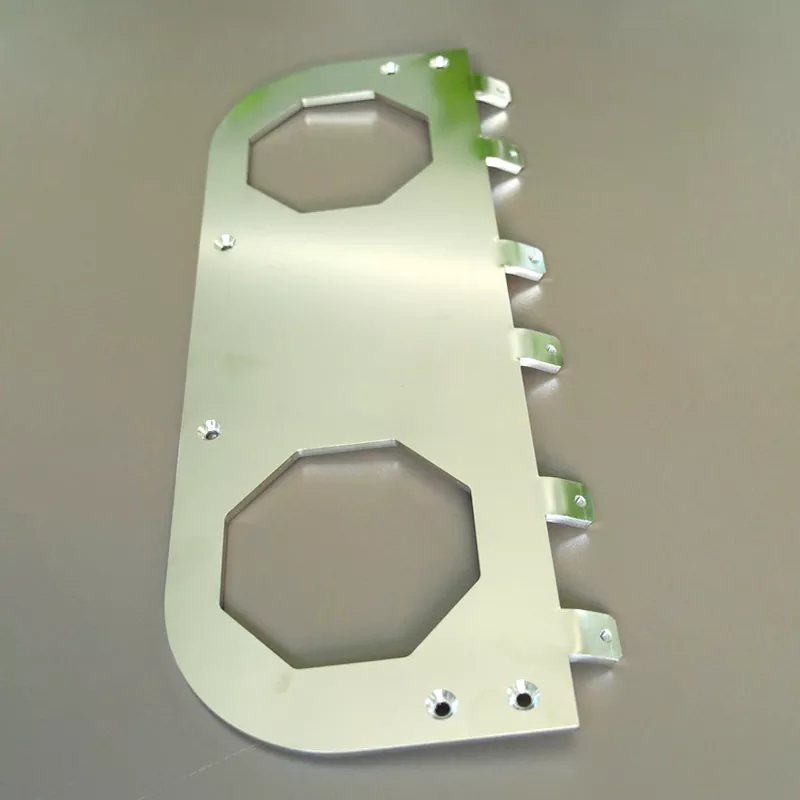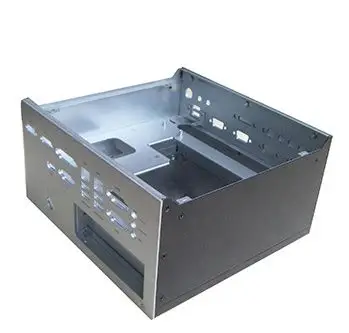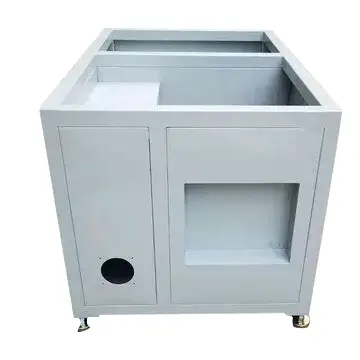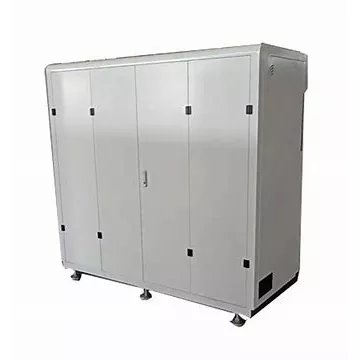
Modern data centers demand hardware that operates continuously with high reliability and stable thermal performance. Behind every rack server, storage system, and networking unit lies a precisely engineered structural component—server sheet metal. This metal framework forms the physical backbone of server equipment, ensuring structural integrity, airflow optimization, and long-term durability.
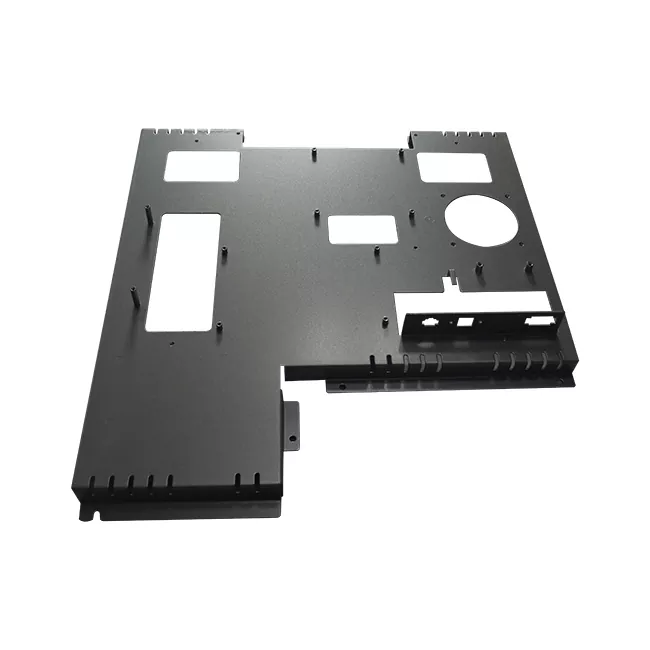
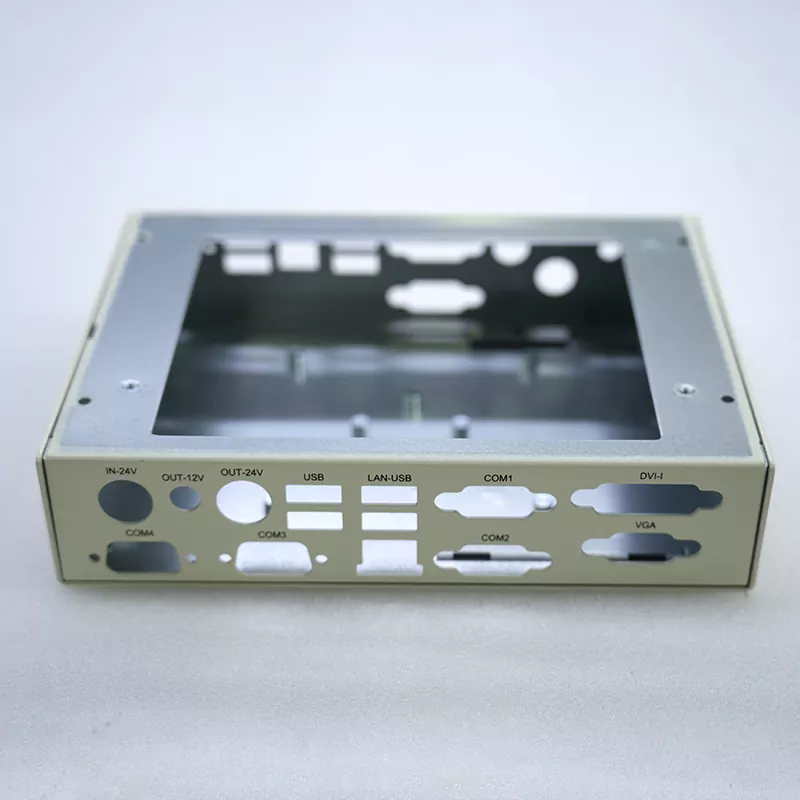
Server sheet metal fabrication involves precision cutting, bending, stamping, and surface finishing processes that produce durable enclosures and structural components for servers. A well-designed metal structure protects sensitive electronic components, supports cooling systems, and ensures compatibility with standardized racks.

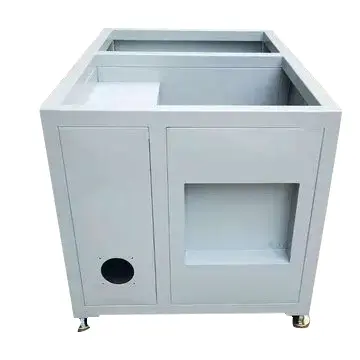
Server sheet metal refers to the metal structural components used to build server enclosures, chassis frames, mounting brackets, and internal support structures. These components are typically fabricated from cold-rolled steel, stainless steel, or aluminum sheets and manufactured using high-precision industrial processes.
In server systems, the sheet metal enclosure is far more than a protective shell. It plays a vital role in:
With increasing computing density in modern servers, the mechanical design of sheet metal structures has become an essential factor influencing overall system reliability and service life.
Data centers operate thousands of servers simultaneously, often under demanding workloads. Reliable hardware housing is required to maintain stable operations and protect valuable computing infrastructure.
Server sheet metal contributes to system stability in several important ways.
Servers contain delicate components including CPUs, memory modules, storage drives, and power supplies. Sheet metal enclosures protect these components from external impact, dust intrusion, and physical damage.
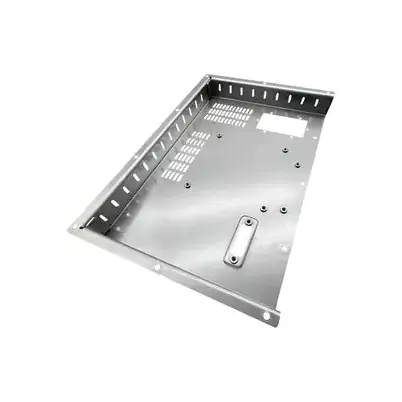
Efficient airflow is critical for maintaining optimal operating temperatures. Precision-designed sheet metal panels guide airflow through cooling channels and ventilation slots, allowing heat to dissipate effectively.
Most enterprise servers are designed to fit standardized 19-inch racks. Accurate sheet metal fabrication ensures perfect alignment, allowing servers to slide easily into rack systems without structural stress.
Metal enclosures provide natural electromagnetic interference shielding, helping prevent signal disruption between electronic components.
Material selection significantly influences durability, heat dissipation, and cost. Different applications require different material properties.
| Material | Main Characteristics | Typical Use |
|---|---|---|
| Cold-Rolled Steel (SPCC) | High strength, cost-effective, easy forming | Server chassis frames and internal brackets |
| Stainless Steel | Corrosion resistance, high durability | Industrial servers and harsh environments |
| Aluminum Alloy | Lightweight, excellent heat dissipation | High-performance servers and networking equipment |
| Galvanized Steel (SECC) | Corrosion protection with stable surface finish | Rack enclosures and mounting components |
The choice of material depends on factors such as thermal conductivity, mechanical strength, environmental conditions, and production cost.
Although server sheet metal structures vary across hardware designs, several key parameters are commonly considered during manufacturing.
| Parameter | Typical Range |
|---|---|
| Material Thickness | 0.8 mm – 3.0 mm |
| Surface Treatment | Powder coating, anodizing, galvanizing |
| Dimensional Tolerance | ±0.05 mm – ±0.1 mm |
| Manufacturing Processes | Laser cutting, stamping, CNC bending |
| Cooling Features | Ventilation slots, perforated panels |
| Mounting Compatibility | Standard 19-inch rack systems |
Precision tolerances are essential because server components must fit perfectly into compact hardware configurations.
Producing server sheet metal components requires advanced fabrication technology and strict quality control.
Manufacturers like Dongguan city Xinyang Industrial Co., Ltd. combine advanced machinery with experienced engineering teams to deliver highly accurate sheet metal structures suitable for server hardware.
Investing in high-quality server sheet metal fabrication offers several significant benefits.
For server manufacturers and data center operators, these advantages translate into improved operational stability and reduced maintenance costs.
Server sheet metal components are widely used across multiple types of computing equipment.
As global demand for cloud computing and artificial intelligence infrastructure grows, the need for durable server hardware structures continues to expand.
Selecting a reliable manufacturing partner is crucial for ensuring product quality and long-term performance.
Consider the following factors when evaluating suppliers:
Dongguan city Xinyang Industrial Co., Ltd. provides professional sheet metal manufacturing services with a focus on precision engineering, stable production capacity, and customized solutions for server hardware manufacturers.
Most server enclosures use sheet metal thickness between 0.8 mm and 2.0 mm. Heavier structural components may require thicker materials up to 3.0 mm to maintain stability.
Servers generate significant heat during operation. Properly designed sheet metal panels guide airflow across heat-generating components, ensuring effective cooling and preventing overheating.
Yes. Manufacturers can customize dimensions, ventilation patterns, mounting holes, and surface treatments according to the server design requirements.
Common treatments include powder coating, anodizing, galvanization, and electrophoretic coating. These processes improve corrosion resistance and enhance the appearance of the metal surface.
Server sheet metal plays a crucial role in ensuring the durability, thermal performance, and structural reliability of modern computing hardware. From protecting sensitive electronics to enabling efficient airflow, well-designed metal enclosures support stable operation in demanding data center environments.
By working with experienced manufacturers such as Dongguan city Xinyang Industrial Co., Ltd., businesses can obtain high-precision server sheet metal solutions tailored to their equipment requirements.
If you are looking for reliable server sheet metal fabrication or customized metal enclosures for data center hardware, contact us today to discuss your project requirements and discover how professional manufacturing can support your next generation of server systems.