Summary: Server sheet metal is a critical component in modern data centers, providing structural support, effective heat dissipation, and protection for sensitive server components. This article explores the benefits, design considerations, material choices, and practical applications of server sheet metal, helping businesses optimize their data center infrastructure while addressing common pain points.

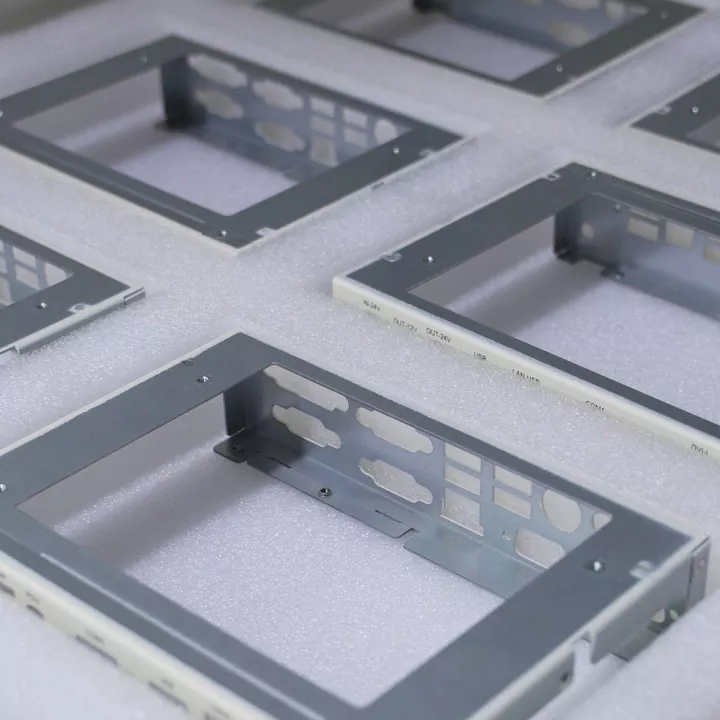
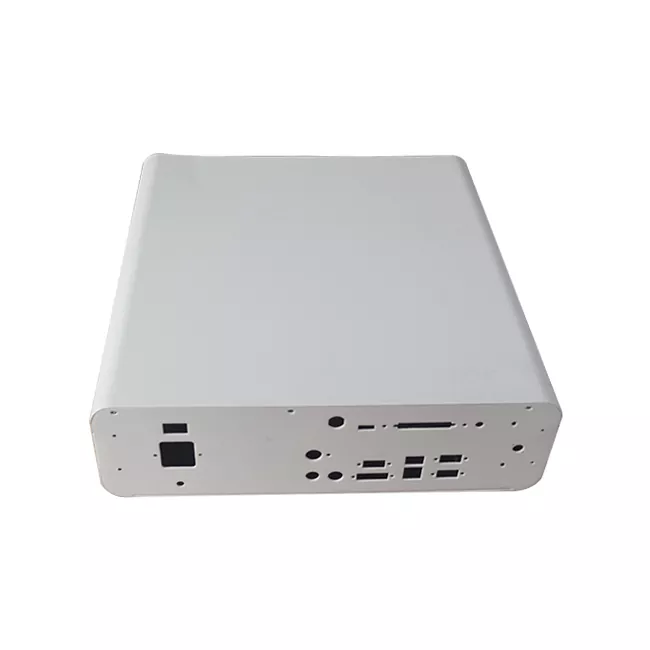
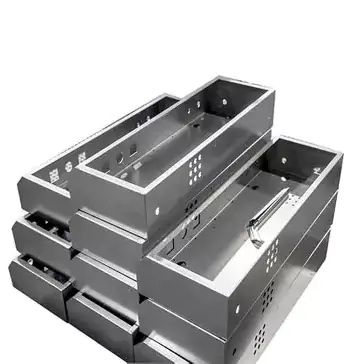
Server sheet metal refers to the precision-engineered metal components used in the construction of server racks, enclosures, and chassis. Its main purpose is to provide robust structural support while allowing efficient cooling and cable management. As data centers become more complex, selecting high-quality sheet metal becomes essential for ensuring reliability, longevity, and optimal thermal performance.
Data center managers often face challenges such as overheating, vibration, and limited space. Properly designed server sheet metal addresses these challenges while improving overall operational efficiency.
Server sheet metal offers multiple advantages that directly impact the performance and durability of IT infrastructure:
| Benefit | Description | Impact on Data Center |
|---|---|---|
| Structural Integrity | Strong metal frame supports server weight | Prevents deformation and damage |
| Thermal Management | Metal conducts heat away from components | Reduces risk of overheating |
| Durability | Corrosion-resistant coatings | Extends server enclosure life |
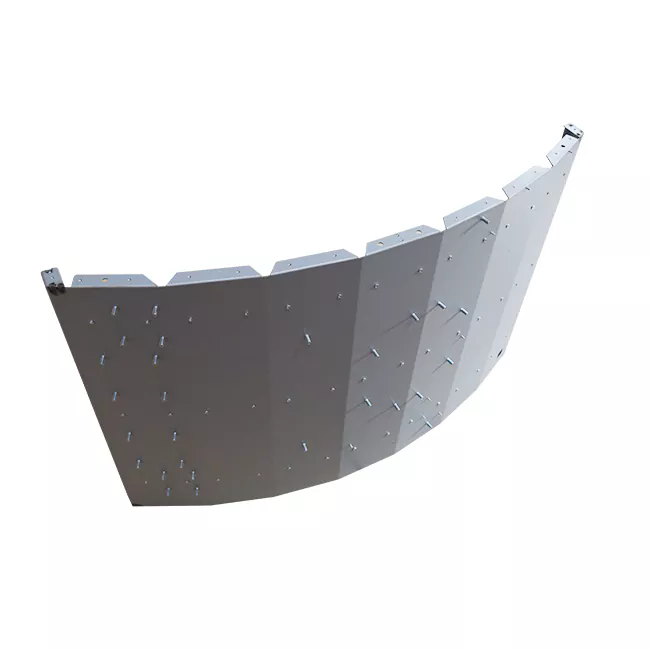
| Customization | Adaptable shapes and sizes | Supports specialized server needs |
The choice of material is critical for server sheet metal performance. Common materials include:
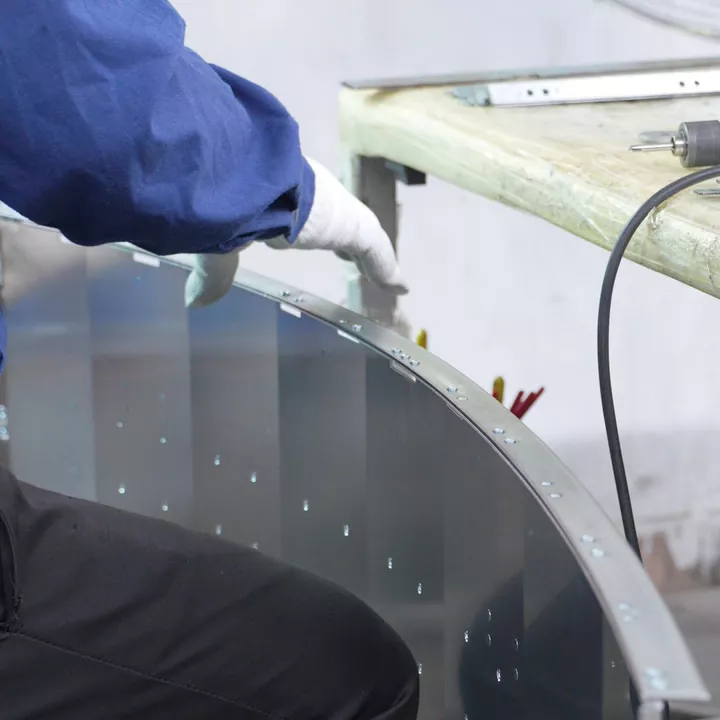
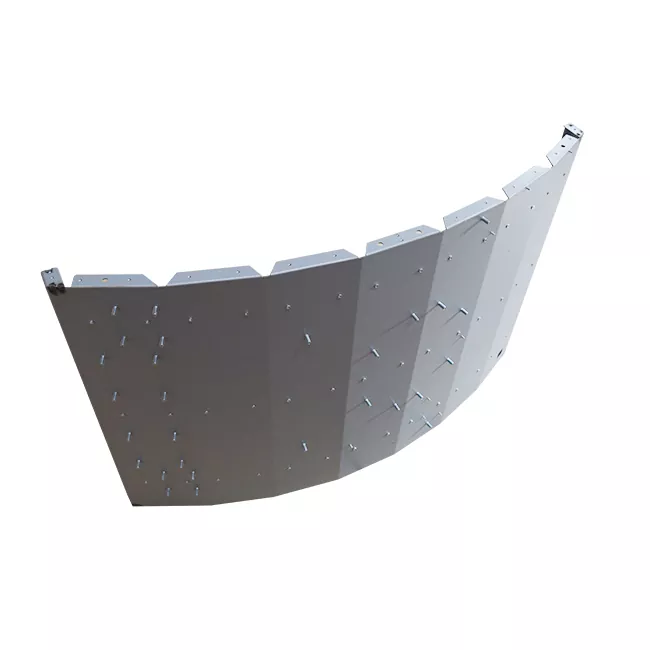
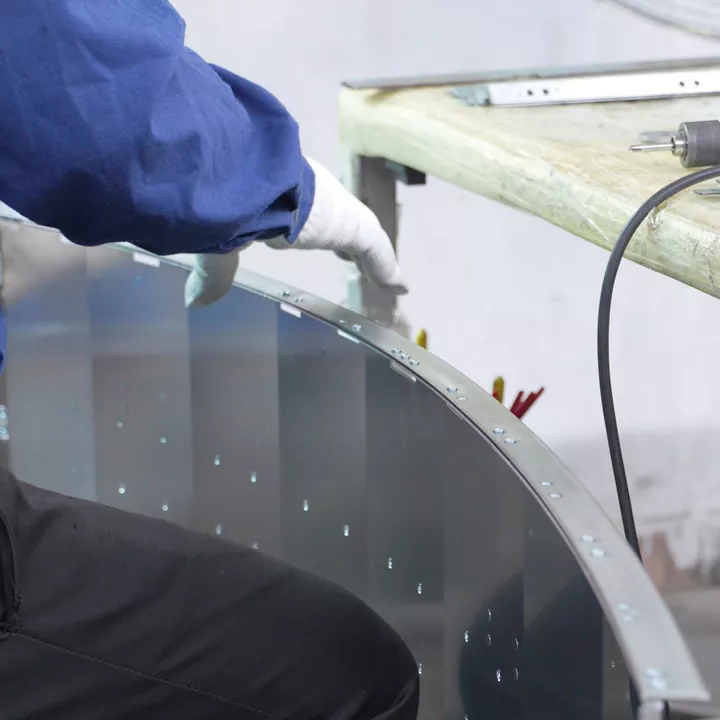
Manufacturing processes such as laser cutting, bending, stamping, and powder coating ensure precise tolerances and robust protection for server components.
When designing server sheet metal, several factors must be considered:
Implementing these design strategies reduces downtime, improves energy efficiency, and enhances the overall reliability of your data center operations.
Proper installation and maintenance of server sheet metal are crucial for long-term performance:
By following these practices, data center managers can minimize hardware failure and maintain optimal cooling efficiency.
Despite their robustness, server sheet metal components can encounter certain problems:
Proactive management and high-quality materials are essential to prevent these common pitfalls.
Q1: What thickness of sheet metal is ideal for server racks?
A1: Typically, 1.2–2.0 mm cold-rolled steel or aluminum is used, balancing strength and weight.
Q2: Can server sheet metal be customized for unique data center layouts?
A2: Yes, modern fabrication techniques allow precise customization of size, shape, and ventilation patterns.
Q3: How often should server sheet metal be maintained?
A3: Regular inspections every 6–12 months are recommended, along with cleaning vents and checking for corrosion.
Q4: Is aluminum or steel better for server enclosures?
A4: Aluminum provides better heat dissipation and is lighter, while steel offers higher structural strength. The choice depends on data center priorities.
Server sheet metal plays a critical role in ensuring data center reliability, efficiency, and durability. By selecting the right materials, optimizing design, and following proper installation and maintenance procedures, businesses can significantly reduce operational risks and maximize server performance.
Dongguan city Xinyang Industrial Co., Ltd. specializes in high-quality server sheet metal solutions tailored to your specific data center needs. For inquiries, custom orders, or further technical guidance, please contact us today and enhance your infrastructure with reliable server sheet metal products.