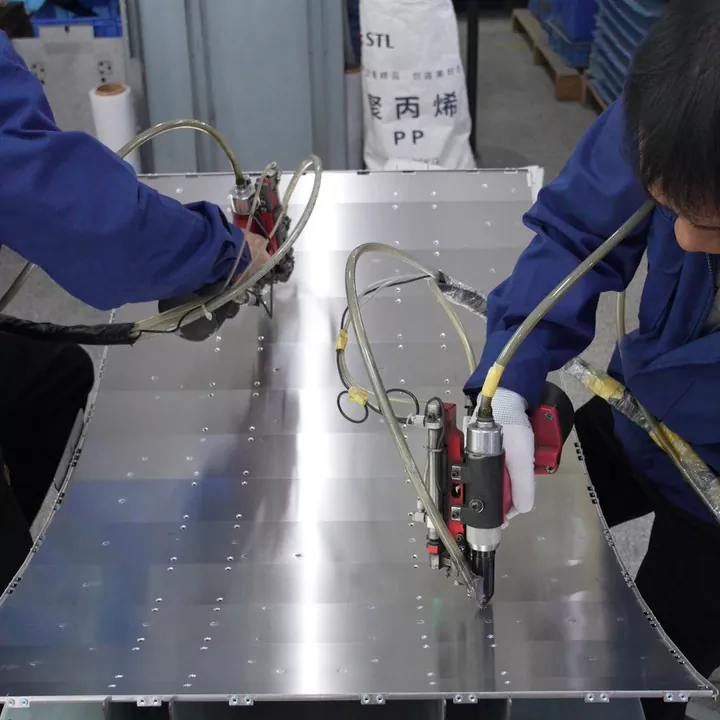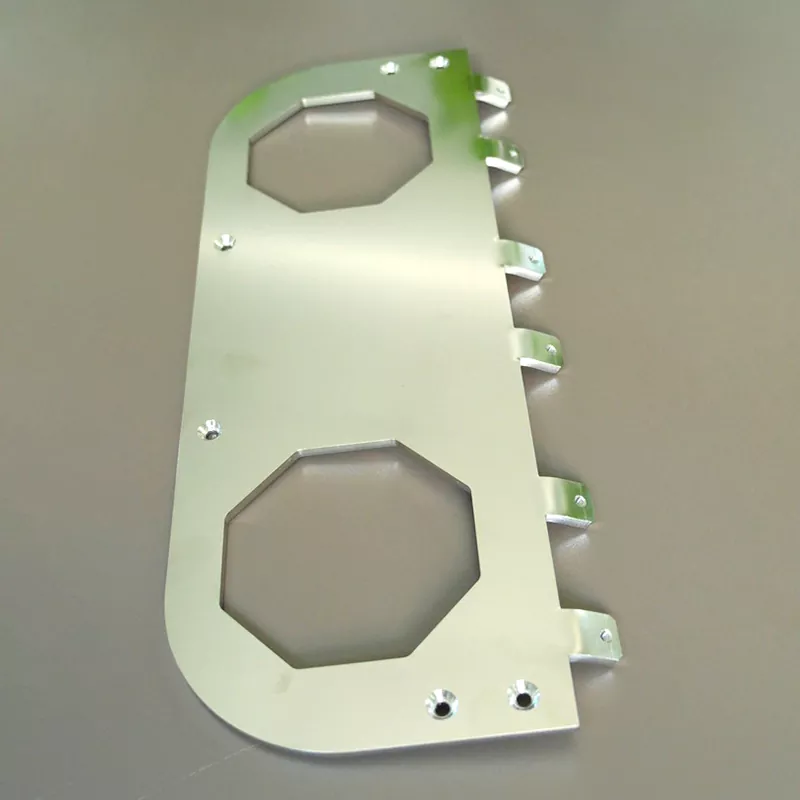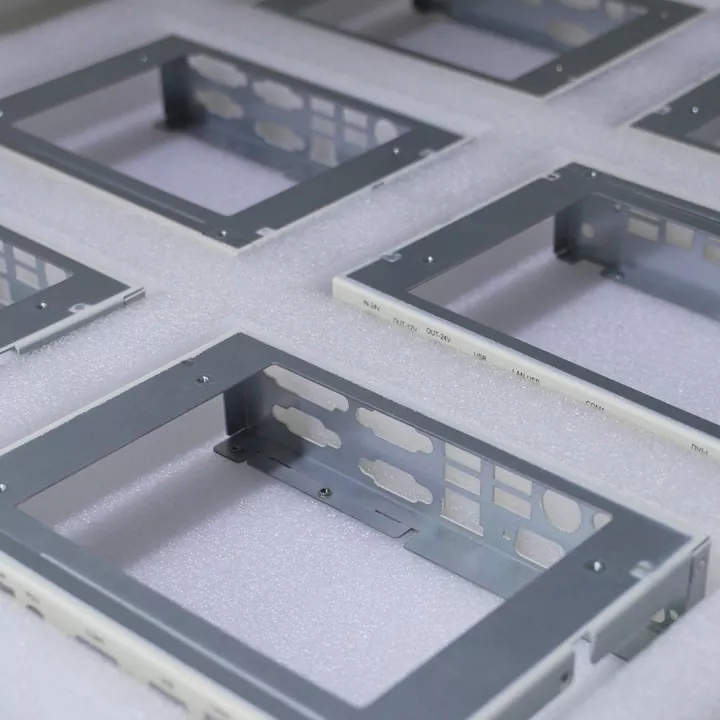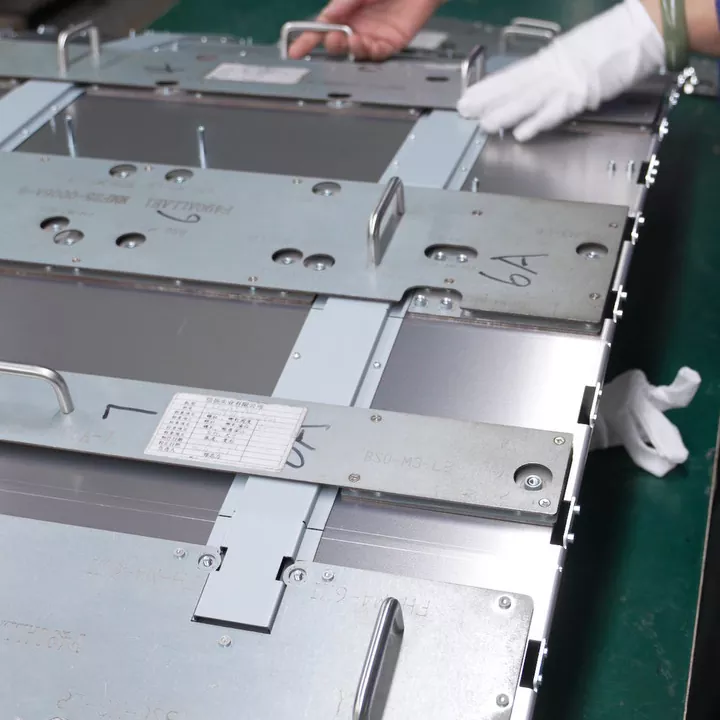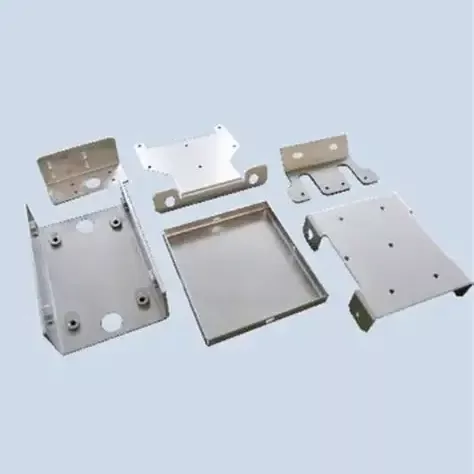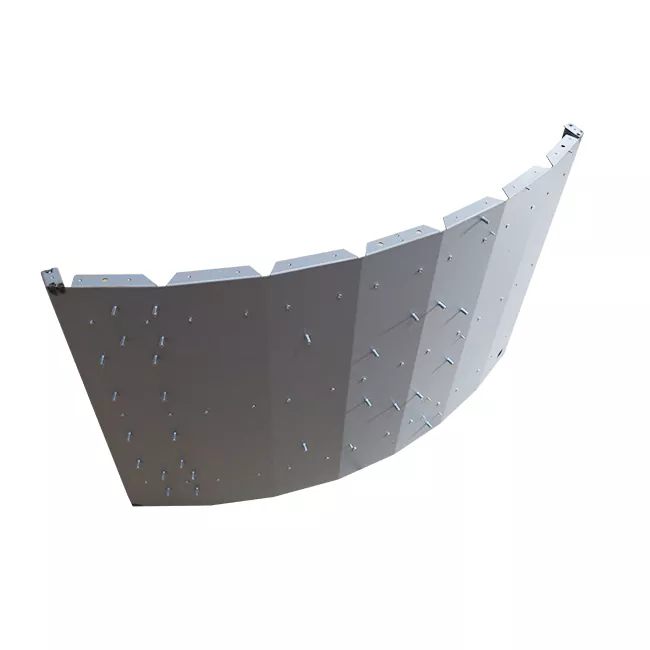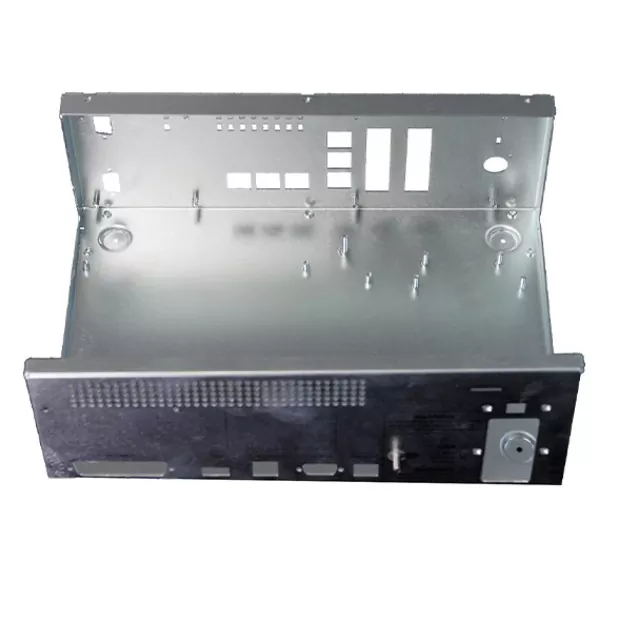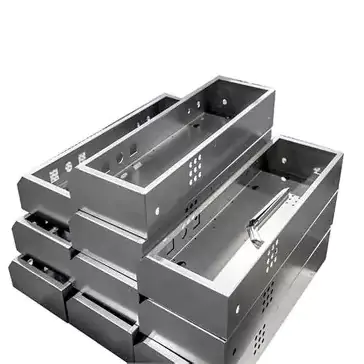
Chassis sheet metal plays a foundational role in automotive, industrial equipment, and transportation system structures. This article examines how chassis sheet metal is manufactured, specified, evaluated, and integrated into demanding applications. It outlines material parameters, dimensional tolerances, fabrication processes, and engineering considerations while addressing common technical questions encountered by procurement teams, design engineers, and OEM manufacturers. The central objective is to clarify how chassis sheet metal supports structural integrity, scalability, and compliance across global markets.
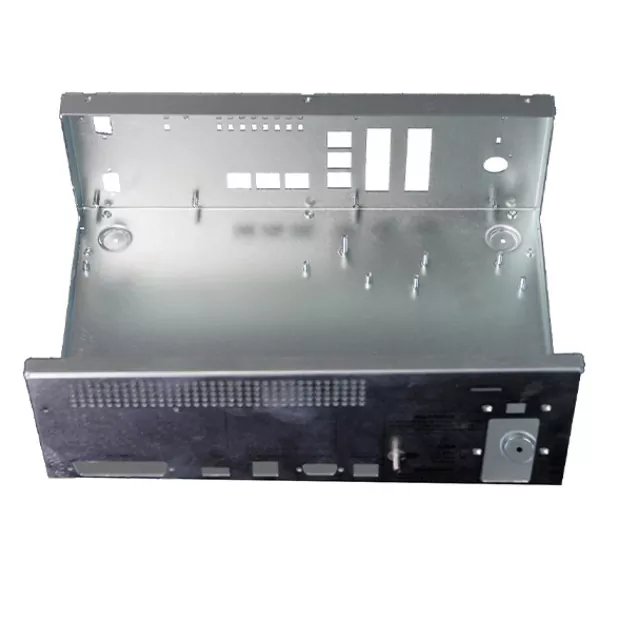
Chassis sheet metal refers to precision-formed metal panels and structural components used as the base framework for vehicles, machinery, enclosures, and load-bearing assemblies. Within automotive and industrial engineering, chassis sheet metal is responsible for housing mechanical systems, supporting dynamic loads, and enabling modular assembly.
Unlike decorative or enclosure-only sheet metal, chassis-related components are engineered to withstand torsional stress, vibration, thermal expansion, and long-term fatigue. These requirements influence material selection, thickness calibration, forming methods, and surface treatment choices.
In global manufacturing environments, chassis sheet metal is typically integrated during early-stage assembly, serving as the alignment reference for drivetrain components, suspension systems, control units, and safety structures. As a result, dimensional accuracy and repeatability are prioritized throughout production.
Technical parameters for chassis sheet metal are defined based on load conditions, environmental exposure, regulatory standards, and downstream assembly requirements. Engineering teams rely on standardized material grades and validated fabrication processes to ensure consistency across production volumes.
Below is a consolidated specification overview commonly applied in chassis sheet metal manufacturing:
| Parameter | Typical Range | Engineering Purpose |
|---|---|---|
| Material Type | Cold Rolled Steel, Galvanized Steel, Aluminum Alloy | Structural stability and corrosion management |
| Thickness | 0.8 mm – 4.5 mm | Load distribution and rigidity control |
| Tensile Strength | 270 – 590 MPa | Resistance to deformation under stress |
| Surface Treatment | Powder Coating, Zinc Plating, E-Coating | Environmental durability |
| Dimensional Tolerance | ±0.1 mm – ±0.3 mm | Assembly accuracy |
| Fabrication Method | Laser Cutting, CNC Bending, Stamping | Repeatability and scalability |
Parameter determination is typically validated through finite element analysis (FEA), prototype testing, and compliance audits. These processes ensure that chassis sheet metal components maintain performance consistency throughout their service lifecycle.
Chassis sheet metal is applied across a wide spectrum of industries, including passenger vehicles, commercial transportation, agricultural machinery, energy equipment, and automated production systems. Each scenario introduces unique mechanical and environmental challenges.
In automotive platforms, chassis sheet metal must accommodate crash energy management, weight distribution, and noise control. In industrial machinery, priorities shift toward static load support, enclosure integrity, and long-duration operation under variable temperatures.
Performance evaluation focuses on deformation behavior, fastener retention, weld consistency, and coating adhesion. Manufacturers often conduct accelerated lifecycle testing to simulate vibration, humidity, and thermal cycling conditions.
From a supply chain perspective, standardized chassis sheet metal designs allow for cross-platform compatibility, reducing tooling adjustments and inventory complexity while supporting regional manufacturing strategies.
Manufacturers address evolving design and compliance demands by aligning chassis sheet metal development with international standards such as ISO, ASTM, and regional automotive regulations. This alignment supports cross-border distribution and OEM qualification.
Design optimization involves balancing structural requirements with manufacturability. Modular design principles are frequently adopted to enable scalable production without compromising dimensional integrity.
From a supply standpoint, material traceability, batch consistency, and documentation transparency are essential. Manufacturers integrate quality control checkpoints throughout cutting, forming, welding, and finishing stages to ensure conformity.
Organizations such as Xinyang have established manufacturing frameworks that emphasize parameter control, process repeatability, and application-specific customization, supporting long-term collaboration with global clients.
How is chassis sheet metal different from general sheet metal?
Chassis sheet metal is engineered specifically for load-bearing and structural alignment purposes, whereas general sheet metal may serve enclosure or cosmetic roles without structural responsibility.
How is thickness selected for chassis sheet metal components?
Thickness selection is based on load analysis, vibration exposure, material grade, and assembly constraints, often validated through simulation and prototype testing.
How does surface treatment affect chassis sheet metal longevity?
Surface treatments provide corrosion resistance and environmental protection, directly influencing service life in applications exposed to moisture, chemicals, or temperature variation.
As industry demand for reliable chassis sheet metal continues to expand, manufacturers with integrated production capabilities and engineering-driven processes are increasingly valued. Xinyang provides chassis sheet metal solutions aligned with international manufacturing and application requirements.
For technical specifications, customization discussions, or production inquiries, please contact the Xinyang team to explore project-specific support and long-term cooperation opportunities.