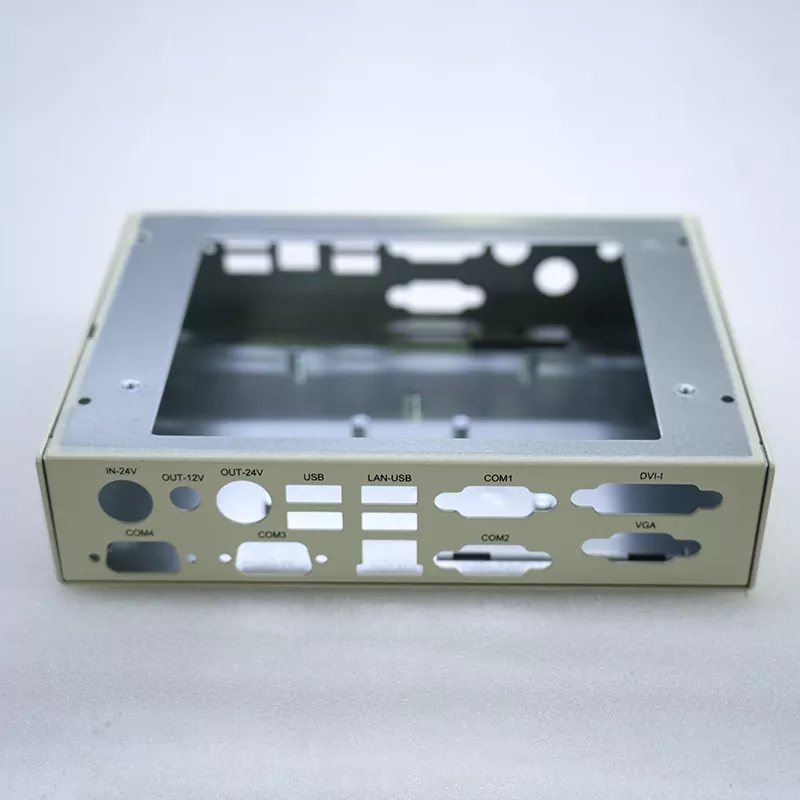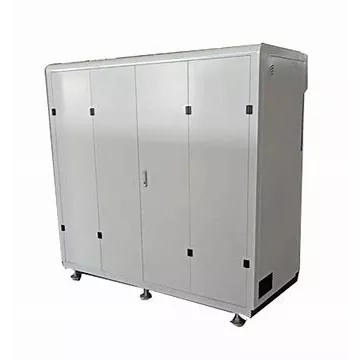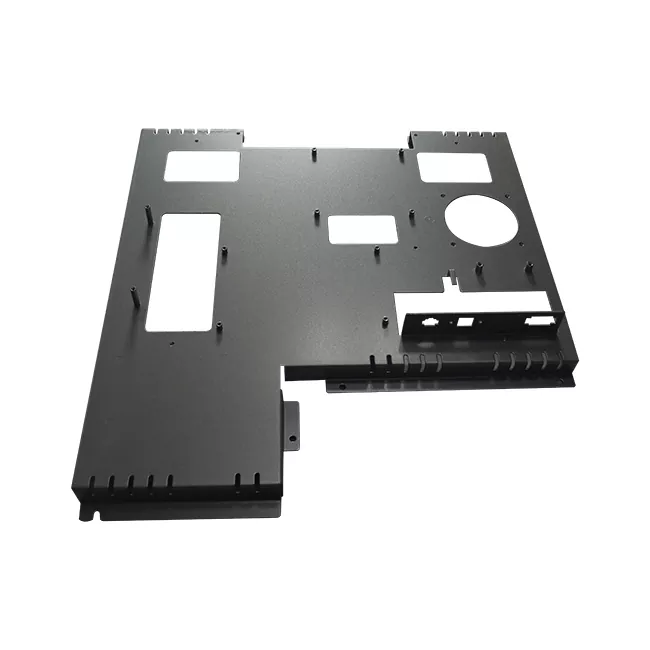
Sheet metal fabrication for casings plays a critical role in modern industrial manufacturing. From electronic enclosures to mechanical equipment housings, fabricated metal casings protect internal components while ensuring durability, heat management, and structural integrity. This article explains how sheet metal casings are designed and manufactured, the common materials used, the fabrication processes involved, and how businesses can select reliable manufacturing solutions. Understanding these processes helps companies reduce production risks, improve product quality, and achieve better cost efficiency.
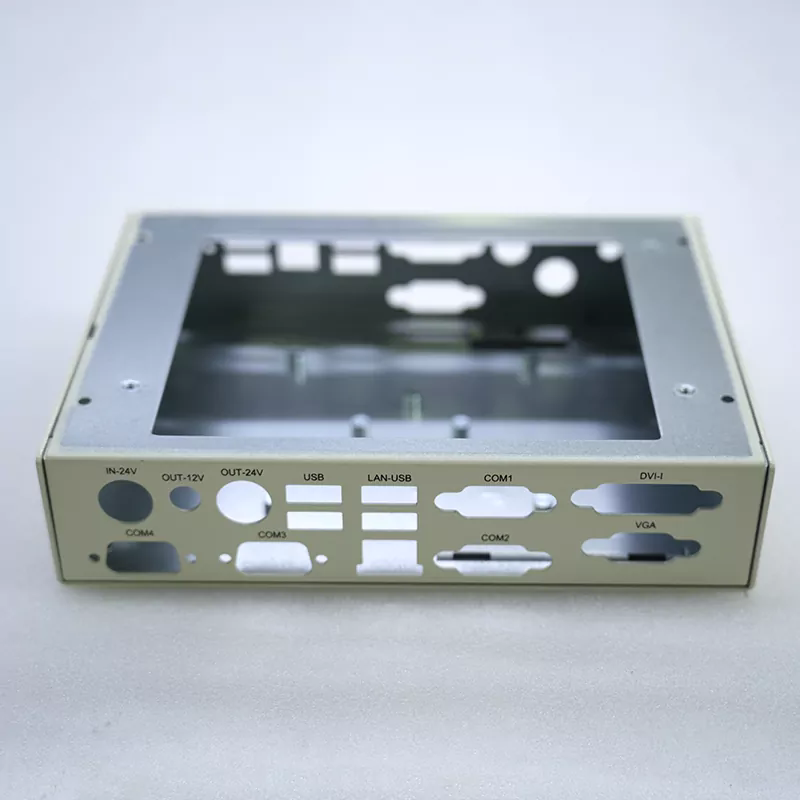
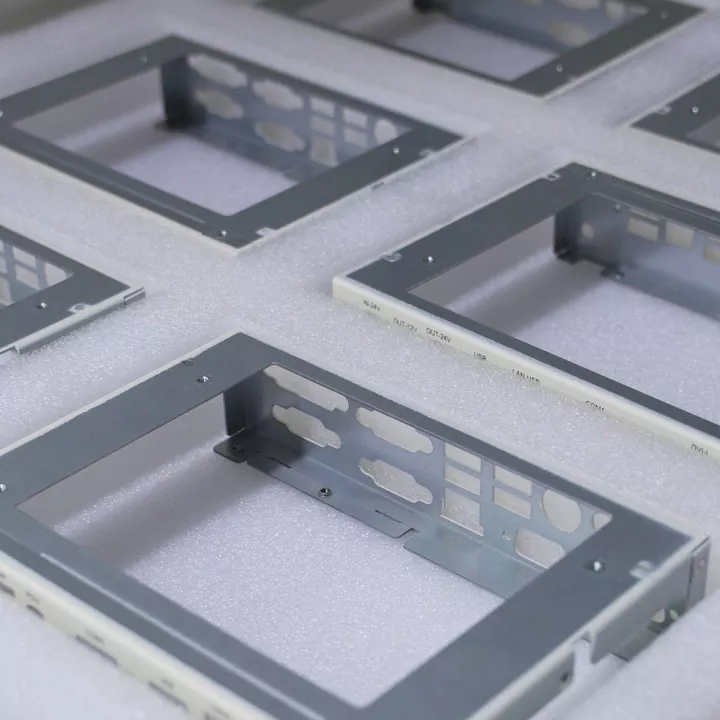
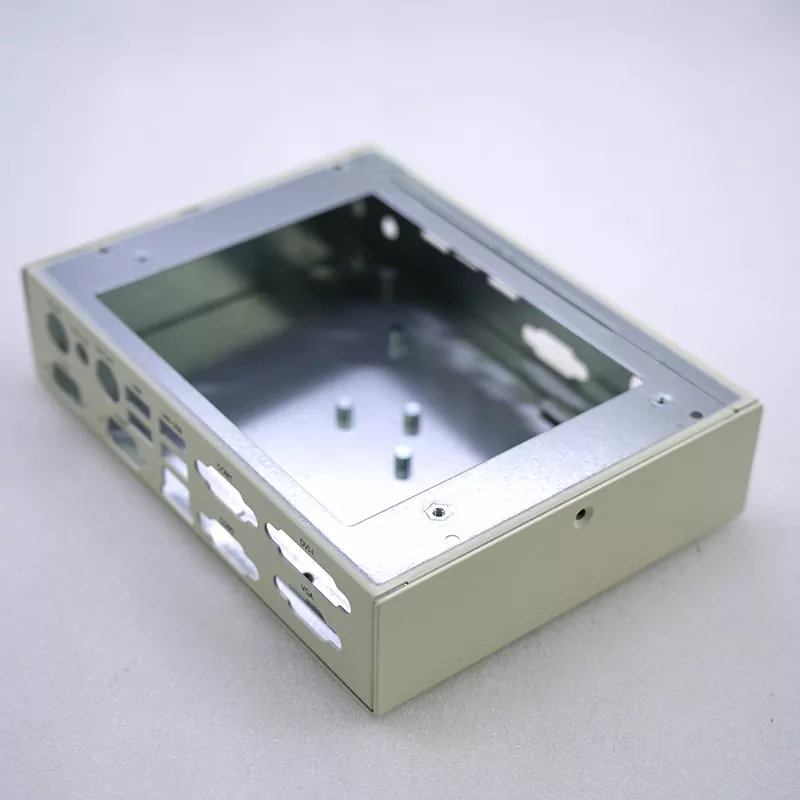
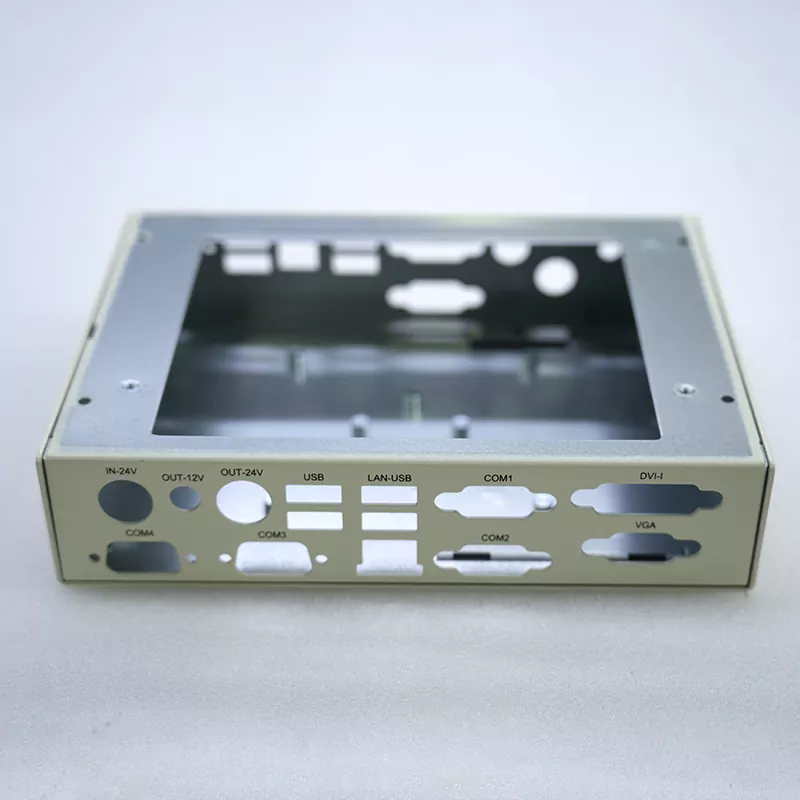
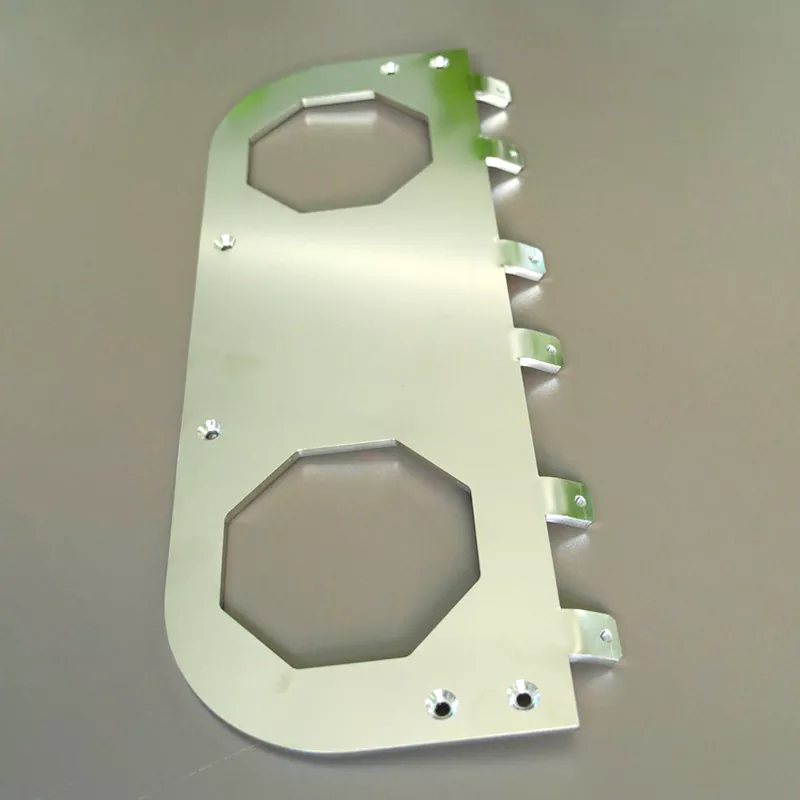
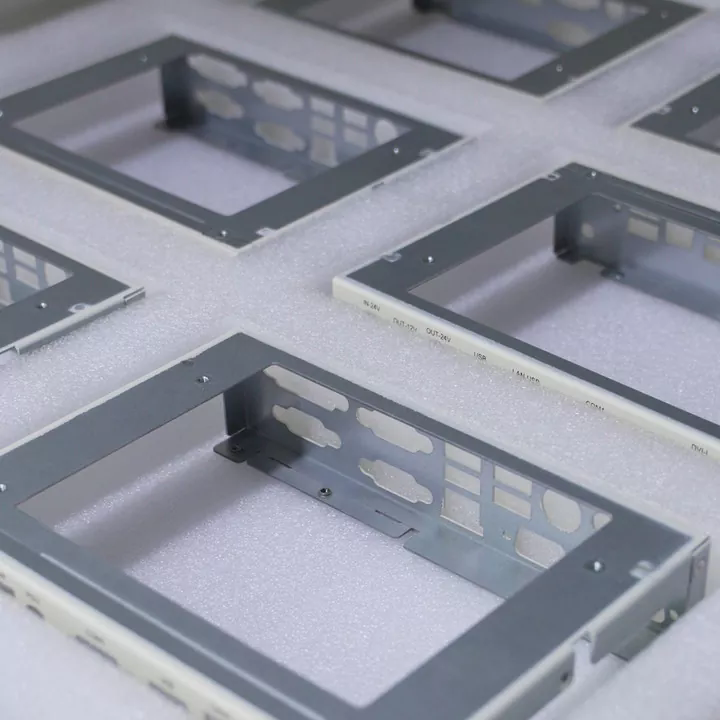
Sheet metal fabrication for casings refers to the process of transforming flat metal sheets into protective housings used in equipment, electronics, industrial machinery, and automotive systems. These casings are engineered to shield internal components from environmental damage, mechanical impact, and electromagnetic interference.
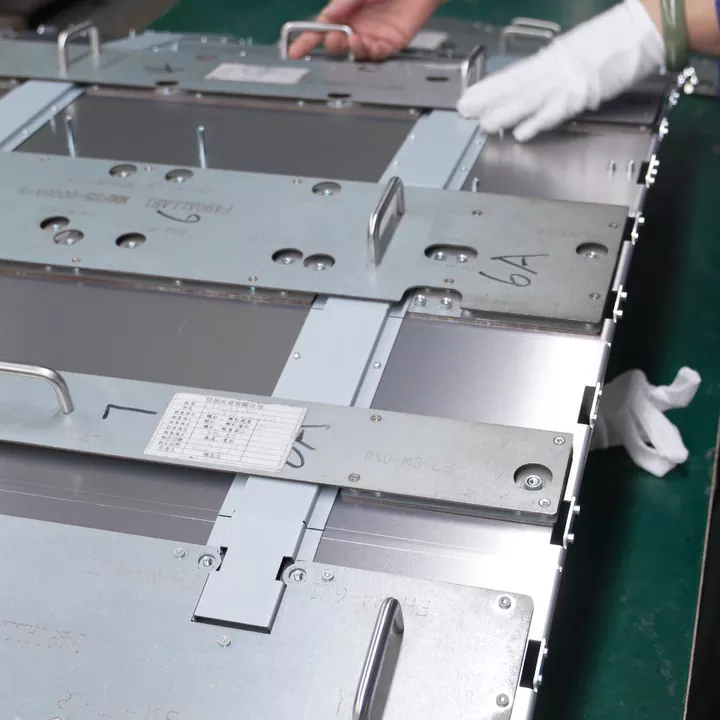
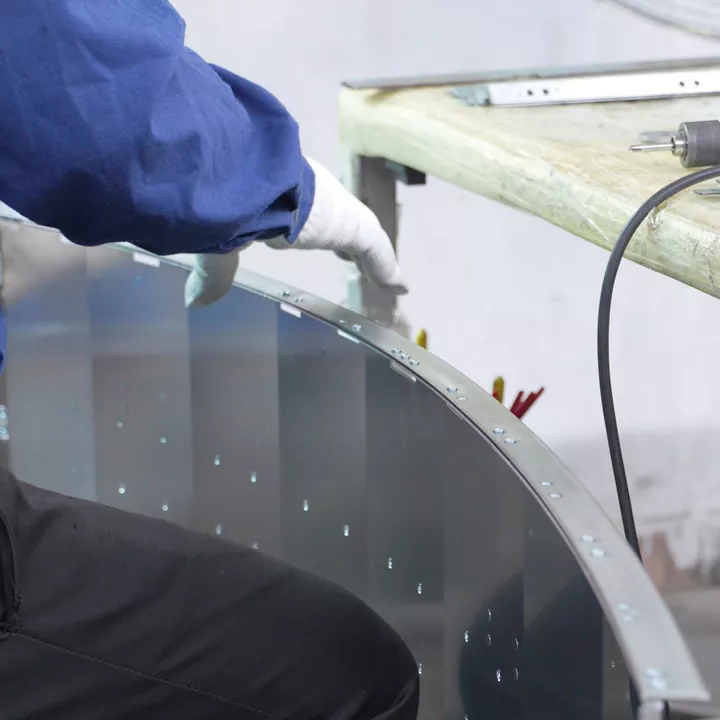
The fabrication process typically involves cutting, forming, and assembling sheet metal into precise shapes. Advanced equipment such as CNC laser cutters, turret punches, and press brakes enable manufacturers to produce complex casing structures with tight tolerances and consistent quality.
Compared with plastic or cast metal housings, sheet metal casings offer a strong balance of structural strength, weight control, and manufacturing flexibility. This makes them suitable for both prototype development and large-scale production.
Many industries rely on sheet metal casings because they provide strong mechanical protection while maintaining efficient production costs. A properly designed metal enclosure also improves equipment lifespan and reliability.
These advantages make sheet metal casings common in applications such as electrical control cabinets, power equipment housings, industrial control boxes, telecommunications devices, and consumer electronics.
Selecting the appropriate material is a critical decision when designing sheet metal casings. Different metals provide different mechanical properties, corrosion resistance levels, and weight characteristics.
| Material | Main Characteristics | Typical Applications |
|---|---|---|
| Aluminum | Lightweight, corrosion resistant, easy to form | Electronic enclosures, communication equipment |
| Stainless Steel | High strength and excellent corrosion resistance | Medical equipment, outdoor machinery |
| Carbon Steel | Cost-effective and durable | Industrial cabinets, heavy machinery housings |
| Galvanized Steel | Improved rust protection through zinc coating | Electrical enclosures and construction equipment |
Aluminum, stainless steel, and carbon steel are among the most widely used materials for metal enclosures because they offer durability and good manufacturability. These metals can be easily formed, welded, and finished to meet different application requirements. :contentReference[oaicite:0]{index=0}
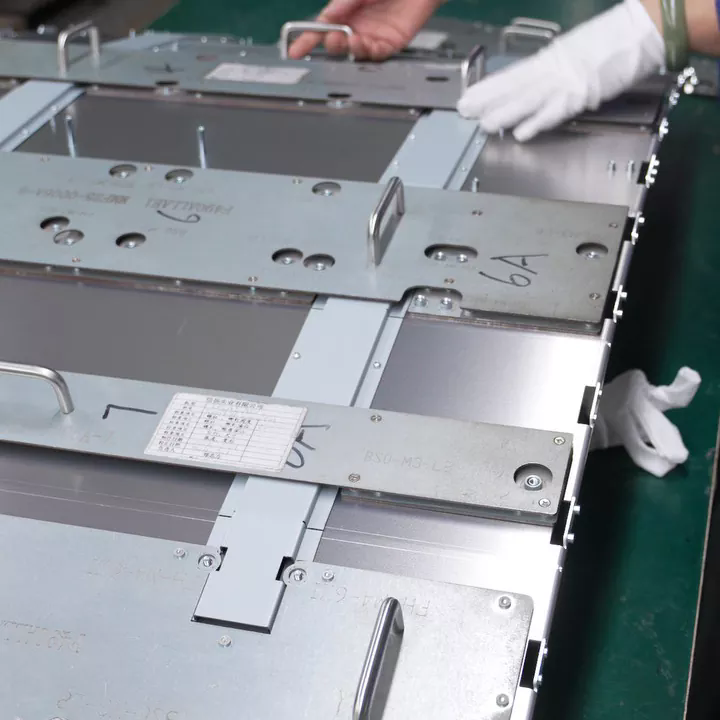
Producing a high-quality casing requires several coordinated fabrication steps. Each stage must be carefully controlled to ensure dimensional accuracy and structural integrity.
These fabrication stages ensure that the final casing meets mechanical specifications and fits precisely with the internal components it protects. Quality inspection is essential to confirm that tolerances, welds, and surface finishes meet design requirements. :contentReference[oaicite:2]{index=2}
Designing a reliable metal casing involves more than simply shaping metal sheets. Several structural elements must be integrated to ensure stability and functionality.
In equipment enclosures, airflow and thermal management are particularly important. Properly designed vents or perforations allow heat to dissipate and prevent component overheating. :contentReference[oaicite:3]{index=3}
Surface finishing improves both the durability and appearance of fabricated metal casings. The finishing method depends on the environment in which the casing will operate.
| Finishing Method | Benefits |
|---|---|
| Powder Coating | Provides durable protection against scratches, UV exposure, and corrosion |
| Anodizing | Enhances aluminum corrosion resistance and surface hardness |
| Electroplating | Adds conductive coatings and corrosion resistance |
| Brushed Finish | Improves appearance and hides minor scratches |
Surface treatments not only enhance aesthetics but also significantly extend the service life of metal casings in industrial environments.
Selecting a capable manufacturer is essential for successful casing production. A professional fabrication partner should provide integrated services that cover design support, manufacturing, finishing, and quality inspection.
Manufacturers such as Xinyang specialize in customized sheet metal fabrication solutions for casings used across various industries. By combining modern fabrication equipment with engineering expertise, reliable suppliers help clients transform product designs into durable and functional metal housings.
1. What industries use sheet metal casings?
Sheet metal casings are widely used in electronics, telecommunications equipment, industrial machinery, automotive systems, and energy infrastructure where durable protective housings are required.
2. What thickness of sheet metal is commonly used for casings?
Typical sheet metal thickness ranges from 0.5 mm to 3 mm depending on structural requirements. Heavy-duty equipment enclosures may require thicker materials for additional strength.
3. Can sheet metal casings be customized?
Yes. Modern fabrication techniques allow manufacturers to customize dimensions, ventilation structures, mounting features, and surface finishes to meet specific product requirements.
4. Are sheet metal casings suitable for outdoor use?
Yes. With appropriate materials such as stainless steel or galvanized steel and protective coatings like powder coating, sheet metal casings can perform reliably in outdoor environments.
Sheet metal fabrication for casings remains one of the most reliable manufacturing solutions for protecting mechanical and electronic equipment. Through precise cutting, forming, assembly, and finishing processes, manufacturers can create durable housings that support both structural integrity and operational efficiency.
If your project requires custom metal casings with high precision and reliable performance, partnering with an experienced manufacturer is essential. Xinyang provides professional sheet metal fabrication services tailored to industrial enclosure production. For more product details or customized solutions, contact us today to discuss your project requirements and discover how precision sheet metal casings can enhance your equipment reliability and manufacturing efficiency.