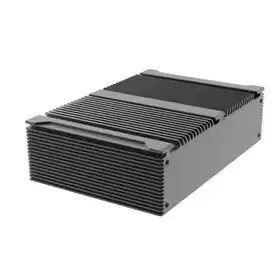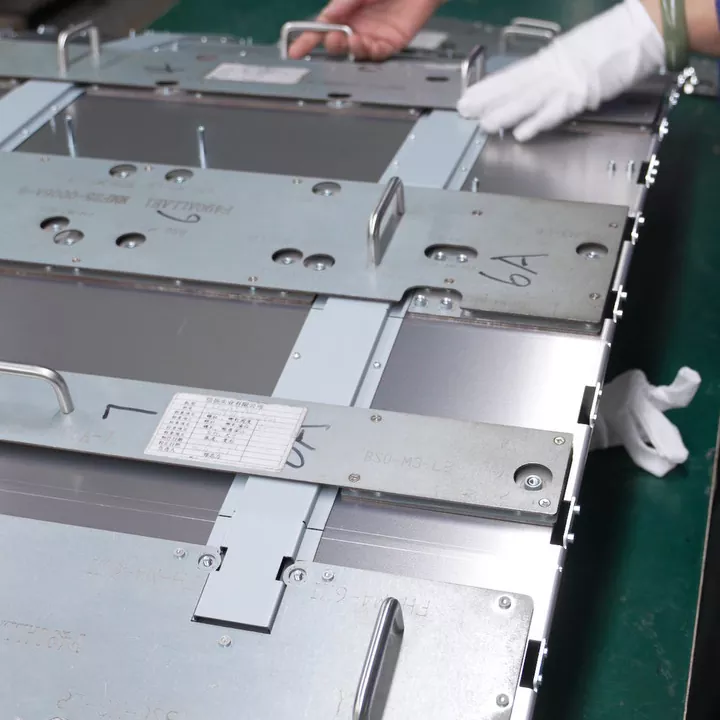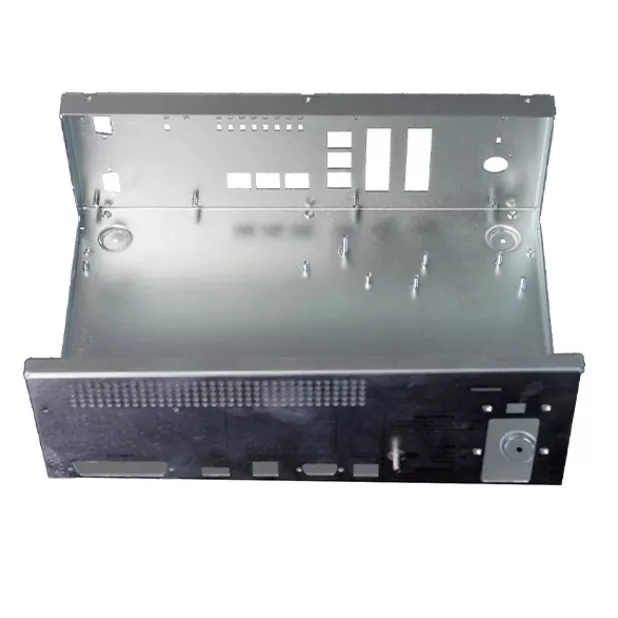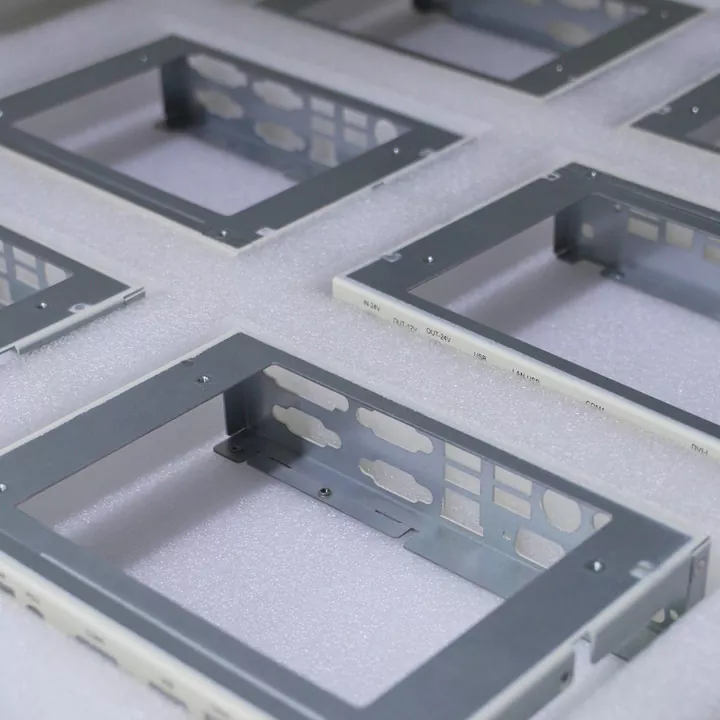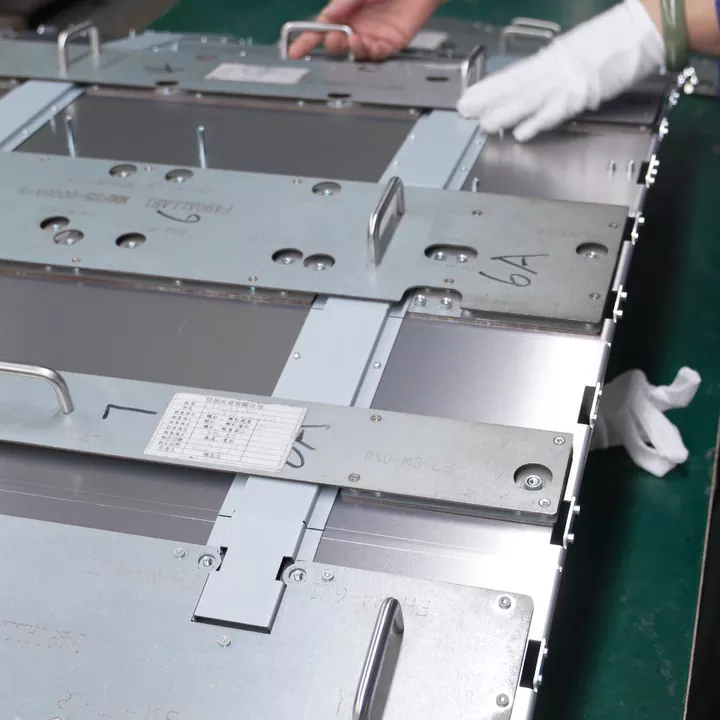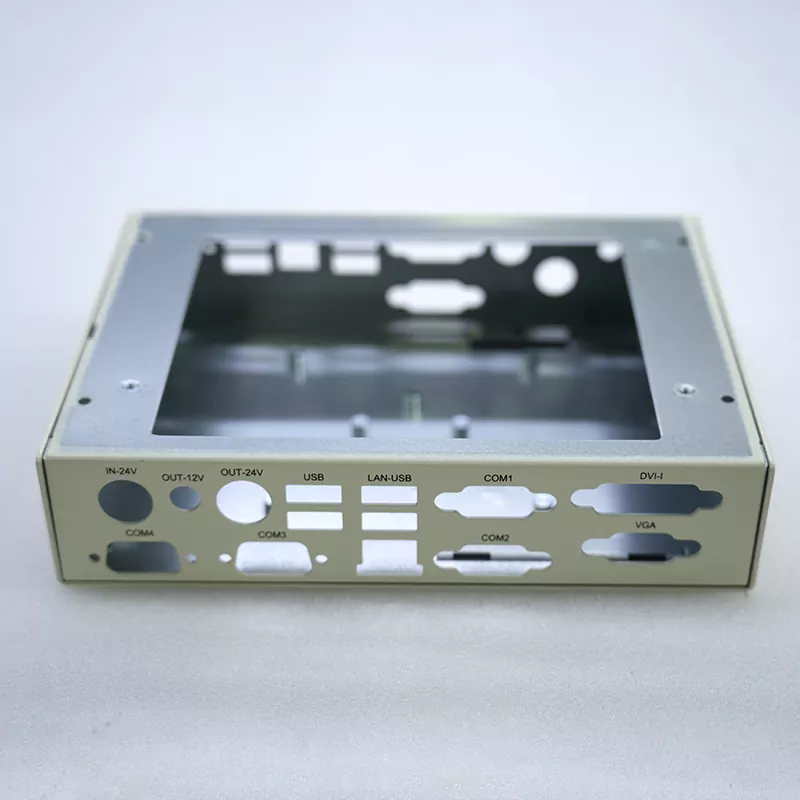
Electrical power systems rely heavily on strong and reliable cabinet structures. One of the most critical components behind these structures is Power Cabinet Sheet Metal. From protecting sensitive electrical components to ensuring structural stability in demanding environments, sheet metal plays a vital role in modern electrical cabinet manufacturing.
Industrial users, engineers, and equipment manufacturers often face several challenges when selecting cabinet structures. These include corrosion resistance, mechanical strength, thermal management, and long-term durability. Understanding how sheet metal fabrication contributes to these aspects helps businesses make better procurement decisions and improve equipment reliability.
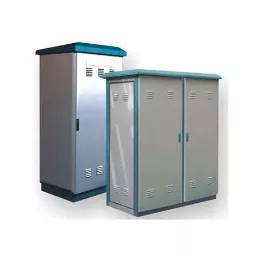
This article explains how Power Cabinet Sheet Metal enhances the performance and durability of electrical cabinets. It covers material selection, manufacturing processes, structural design considerations, and common customer concerns when choosing sheet metal enclosures.
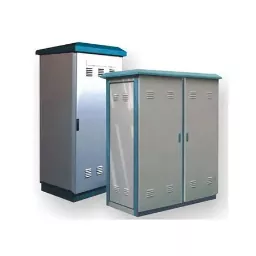
Power cabinet sheet metal refers to the metal enclosure structure used in electrical power distribution cabinets, control cabinets, and switchgear systems. These enclosures are designed to protect electrical components such as circuit breakers, transformers, wiring systems, and control modules.
High-quality sheet metal fabrication ensures that the cabinet can withstand mechanical stress, environmental conditions, and long-term operational demands. In industrial facilities, power cabinets often operate continuously, making durability and safety extremely important.
Manufacturers such as Xinyang focus on precision sheet metal engineering to ensure cabinets meet strict industrial requirements while maintaining efficient manufacturing standards.
Sheet metal has become the preferred structural material for power cabinets due to its balance of strength, flexibility, and manufacturability. Compared with alternative materials, sheet metal offers several advantages.
These advantages allow manufacturers to create cabinets that meet different industrial standards while maintaining efficient production processes.
Different materials are selected depending on environmental conditions, load requirements, and corrosion resistance needs.
| Material Type | Main Characteristics | Typical Applications |
| Cold Rolled Steel | High strength, good surface finish | Indoor electrical cabinets |
| Galvanized Steel | Corrosion resistant coating | Industrial environments |
| Stainless Steel | Excellent corrosion resistance | Outdoor installations, chemical facilities |
| Aluminum Alloy | Lightweight and corrosion resistant | Specialized equipment enclosures |
Material selection directly affects the durability and performance of the cabinet. For example, stainless steel cabinets are commonly used in harsh environments where moisture or chemicals are present.
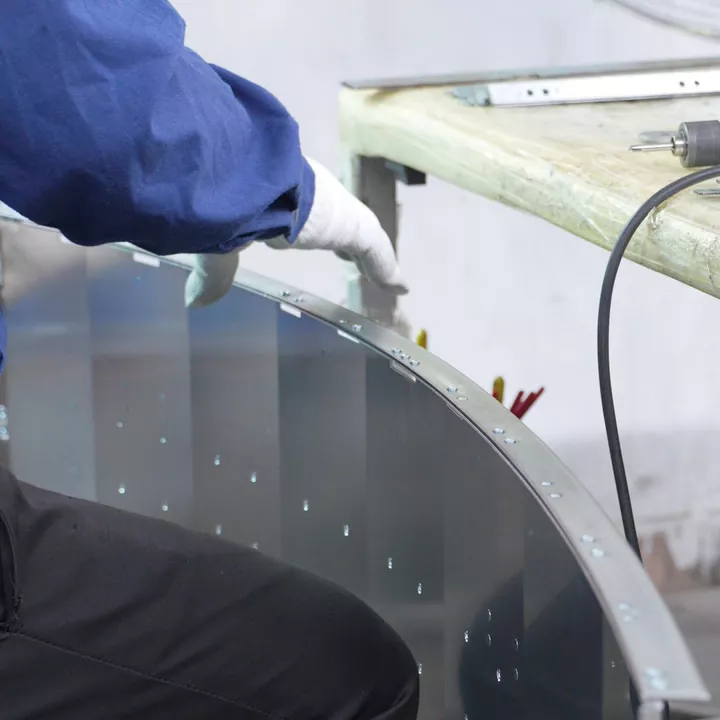
The production of sheet metal cabinets involves several precision manufacturing steps to ensure structural accuracy and quality.
Advanced fabrication technologies ensure consistent product quality while maintaining high production efficiency. Precision cutting and bending allow manufacturers to create cabinets with tight tolerances and uniform structure.
Well-designed power cabinet sheet metal structures incorporate multiple functional features that improve performance and safety.
These features ensure that electrical components inside the cabinet operate efficiently while remaining protected from environmental hazards.
Power cabinets are widely used in industries such as manufacturing, energy distribution, telecommunications, and infrastructure projects. High-quality sheet metal cabinets offer several performance advantages.
These benefits help reduce maintenance requirements and extend the operational lifespan of electrical systems.
The following table outlines common technical parameters for Power Cabinet Sheet Metal structures.
| Parameter | Description |
| Material Thickness | 1.0 mm – 3.0 mm depending on cabinet design |
| Surface Treatment | Powder coating, galvanization, or painting |
| Protection Level | IP30 – IP65 depending on design |
| Cabinet Height | 600 mm – 2200 mm |
| Operating Environment | Indoor or outdoor industrial environments |
Selecting the right manufacturing partner is critical for ensuring product quality and long-term reliability. Buyers should consider several key factors when evaluating suppliers.
Companies such as Xinyang focus on precision manufacturing and engineering support to provide customized sheet metal solutions for power cabinet systems.
Q1: What thickness of sheet metal is typically used for power cabinets?
Most power cabinets use sheet metal thickness between 1.0 mm and 3.0 mm depending on structural requirements and load-bearing design.
Q2: Why is powder coating used on electrical cabinets?
Powder coating provides corrosion resistance, improves surface durability, and enhances the visual appearance of the cabinet.
Q3: Can sheet metal cabinets be customized for specific equipment layouts?
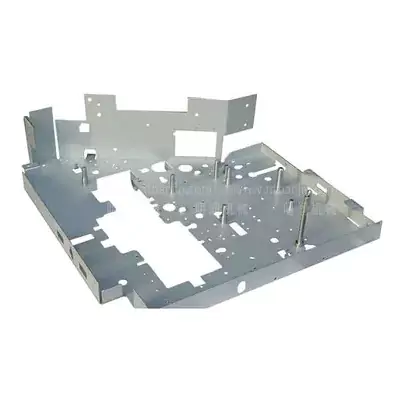
Yes. Sheet metal cabinets can be designed with customized internal mounting panels, ventilation openings, cable channels, and access doors to match specific electrical system requirements.
Q4: What industries commonly use power cabinet sheet metal?
Industries such as power distribution, automation equipment manufacturing, telecommunications infrastructure, and industrial control systems rely heavily on sheet metal cabinets.
Power Cabinet Sheet Metal is a fundamental component in modern electrical infrastructure. Through precise fabrication, durable materials, and thoughtful structural design, sheet metal cabinets provide reliable protection for critical electrical systems. From industrial facilities to infrastructure projects, these enclosures help maintain operational safety and system stability.
Manufacturers like Xinyang continue to advance sheet metal fabrication technologies to deliver durable, customizable cabinet solutions that meet evolving industrial demands.
If you are looking for reliable power cabinet sheet metal solutions for your electrical systems, contact us today to learn more about available customization options, technical support, and manufacturing capabilities.