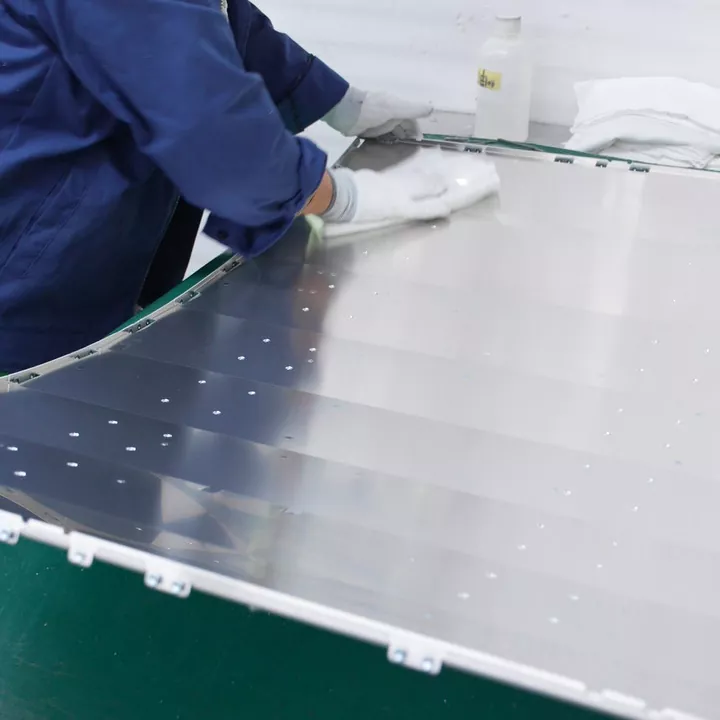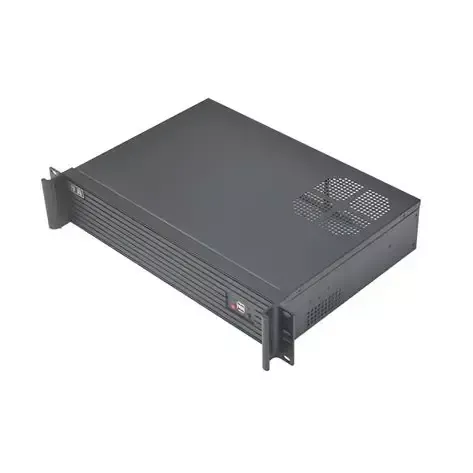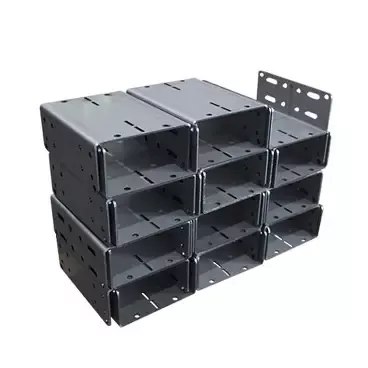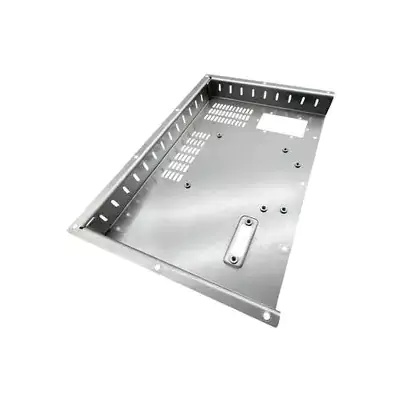
Xinyang Precision Sheet Metal Fabrication combines laser cutting, CNC bending, and welding processes to transform flat metal sheets into reliable components for industrial equipment and custom enclosures.
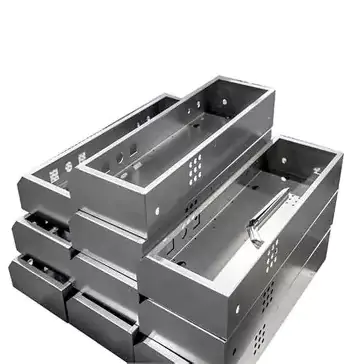
As industrial equipment becomes more compact and multifunctional, metal components need to achieve higher accuracy, stronger structures, and better adaptability. Sheet metal parts are no longer simple protective covers; they often play an important role in equipment stability, heat management, and long-term operation.
From industrial control cabinets and electrical enclosures to communication equipment housings and automation system shells, customized metal structures are widely used across different fields. The production process behind these components requires a combination of advanced equipment, experienced technicians, and strict quality management.
Precision Sheet Metal Fabrication has become an important manufacturing approach because it allows complex metal structures to be created efficiently while maintaining consistent dimensions and reliable performance. By integrating multiple processes such as cutting, forming, welding, and surface treatment, manufacturers can produce components that match specific design requirements.
For companies developing industrial equipment, understanding how these processes work helps them make better decisions when selecting suitable metal structures for their applications.
Laser cutting is usually the first major step in the sheet metal production process. Instead of using traditional cutting methods, modern laser equipment uses a focused laser beam to cut metal sheets with high speed and accuracy.
The main advantage of laser cutting is its ability to create complex patterns while maintaining clean edges. This reduces the need for additional processing and improves the overall consistency of finished parts.
| Feature | Manufacturing Value |
| High cutting accuracy | Helps maintain precise dimensions for assembly |
| Flexible design capability | Supports complex shapes and customized structures |
| Smooth cutting edges | Reduces additional finishing requirements |
| Efficient material usage | Helps minimize waste during production |
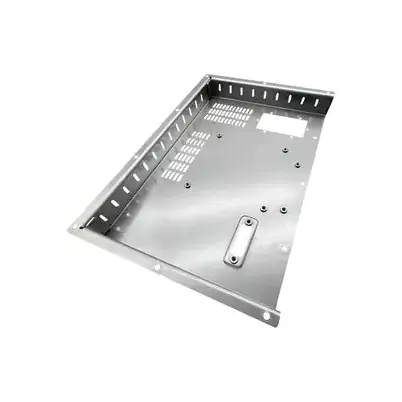
In practical applications, laser cutting is especially useful for electrical cabinets, equipment panels, and industrial housings where accurate openings for cables, switches, displays, and ventilation systems are required.
For example, an industrial control cabinet may require dozens of precisely positioned holes and mounting areas. Small errors during cutting could affect later assembly. Laser technology helps maintain consistency from prototype production to repeated manufacturing.
After cutting, metal sheets usually need to be shaped into three-dimensional structures. This is where CNC bending technology becomes essential.
A flat metal plate can be transformed into brackets, frames, covers, and enclosures through controlled bending operations. The process uses programmed parameters to ensure bending angles and positions remain accurate.
Incorrect bending may create problems such as:
- Difficult assembly during installation
- Uneven gaps between panels
- Reduced structural strength
- Poor appearance quality
- Increased adjustment time
Modern CNC bending machines allow technicians to control bending angles according to engineering drawings. This is especially important for equipment housings that require multiple panels to fit together precisely.
In Precision Sheet Metal Fabrication, bending is not only about changing the shape of metal. It also affects the final strength, stability, and usability of the component.
A properly designed bent structure can improve rigidity without adding unnecessary material thickness, helping equipment maintain durability while controlling overall weight.
Once individual metal pieces are cut and formed, welding is often used to combine them into complete assemblies.
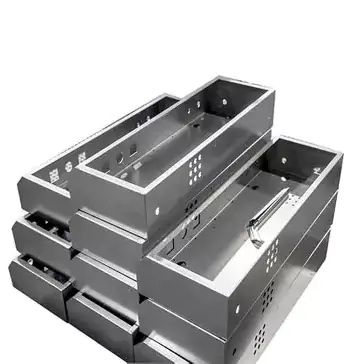
Welding creates permanent connections between metal parts, making it suitable for applications requiring strong structural support. For industrial cabinets and equipment housings, welding quality directly influences the durability and reliability of the final product.
| Welding Factor | Impact on Components |
| Joint strength | Determines structural stability |
| Welding accuracy | Influences overall dimensions |
| Surface treatment after welding | Improves appearance and corrosion resistance |
| Heat control | Helps reduce deformation |
Experienced technicians need to carefully control welding conditions because excessive heat may cause metal deformation. Proper welding methods help maintain the original design dimensions while ensuring strong connections.
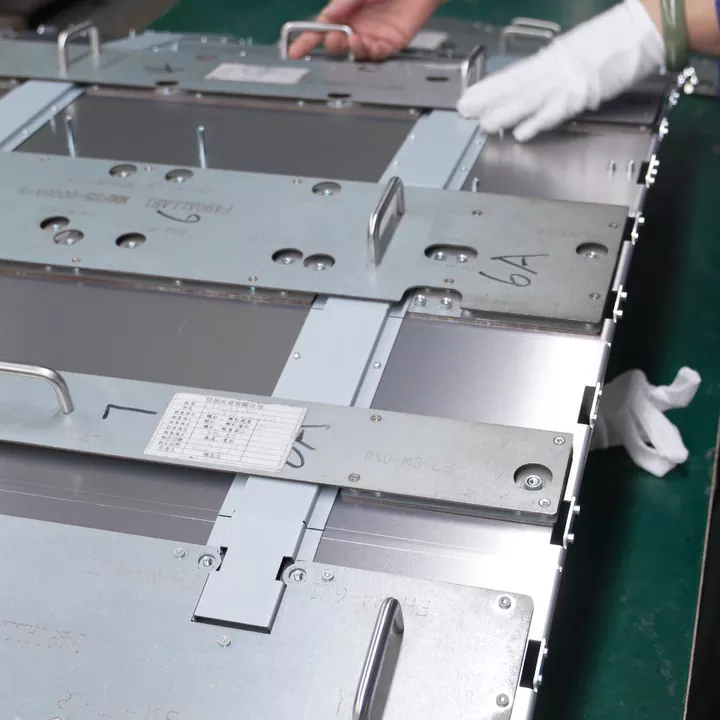
After welding, components may undergo additional processes such as grinding, inspection, spraying, or coating to improve surface quality and environmental resistance.
A reliable sheet metal production process is not based on a single technology. Instead, it combines multiple steps to achieve the required performance.
The typical workflow includes:
- Material preparation: Metal sheets are selected according to structural requirements, environmental conditions, and application needs.
- Laser cutting: Digital drawings are converted into precise cutting paths to create required shapes and openings.
- CNC bending: Flat sheets are formed into designed structures through controlled bending operations.
- Welding and assembly: Different parts are connected to create stable structures.
- Surface treatment and inspection: Coating, spraying, or other finishing processes improve protection and appearance.
This integrated approach allows customized metal components to meet different functional requirements, from simple protective covers to complex industrial equipment enclosures.
Industrial equipment often faces challenges related to space limitations, environmental conditions, and long-term operation. Customized sheet metal structures help address these issues through targeted design.
Industrial environments may include dust, moisture, vibration, and temperature changes. Properly designed metal enclosures provide physical protection for sensitive electrical and mechanical components.
For example, electrical control boxes require reliable structures that protect internal systems while allowing convenient maintenance access.
Many industrial devices generate heat during operation. Sheet metal housings can incorporate ventilation openings, cooling designs, and structural arrangements that support effective heat dissipation.
This helps maintain stable equipment performance and reduces risks caused by overheating.
Different industries have different requirements. A communication cabinet, medical testing device shell, and automation equipment enclosure may have completely different dimensions and structures.
Through drawing-based processing and multi-process manufacturing, customized solutions can be created according to specific application requirements.
Located in Shipai Town, Dongguan, Xinyang has developed practical experience in sheet metal processing since its establishment in 2016. The company operates a 6,000㎡ production facility with more than 50 personnel and over 100 pieces of production equipment.
The production system covers various processing capabilities, including laser cutting, CNC punching, CNC bending, welding, automatic spraying, and screen printing. This integrated capability supports different customization requirements, from small-batch prototypes to continuous production needs.
Xinyang's processing experience focuses on several application areas:
| Application Field | Typical Requirements |
| Industrial control cabinets | Strength, heat dissipation, stable operation |
| Electrical control boxes | Protection, accurate assembly, safety |
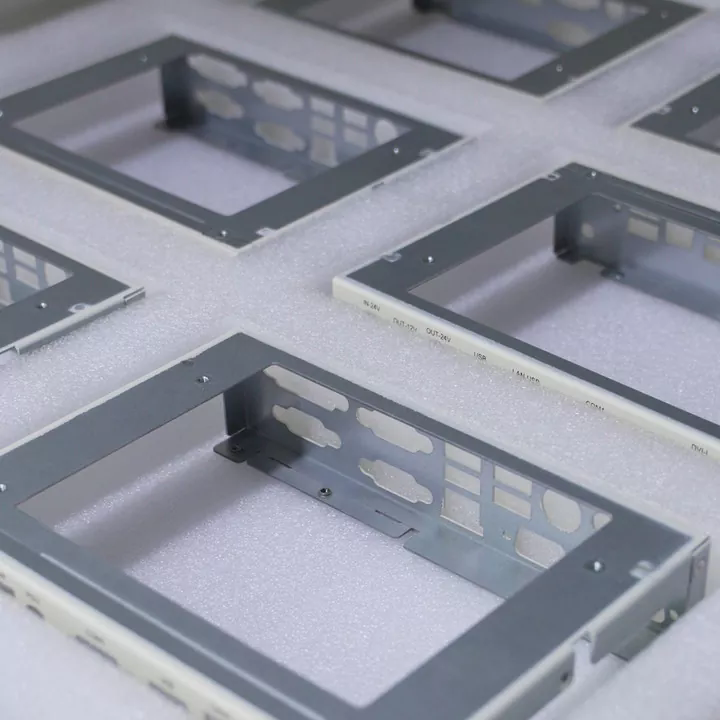
| Industrial computer housings | Precise openings and structural stability |
| Communication equipment cabinets | Cable management and modular design |
| Automation equipment shells | Custom dimensions and reliable protection |
Through years of practical production experience, the team understands that successful sheet metal processing depends not only on equipment but also on process control, technical experience, and attention to detail.
The sheet metal industry continues to develop with improvements in automation, digital design, and intelligent manufacturing systems.
Future processing trends are expected to focus on:
- Higher production automation
- Faster response from digital drawings
- Improved material utilization
- More flexible customization capability
- Stronger quality tracking systems
As industrial equipment becomes increasingly specialized, the demand for accurate and adaptable metal structures will continue to grow.
Modern Precision Sheet Metal Fabrication is evolving from traditional metal processing into a comprehensive manufacturing solution that combines design understanding, advanced equipment, and practical engineering experience.
Laser cutting, CNC bending, and welding work together to create strong, accurate, and functional metal components for many industrial applications. Each process plays a different role, from creating precise shapes to forming stable structures and completing durable assemblies.
With its experience in customized sheet metal processing and integrated production capabilities, Xinyang provides Precision Sheet Metal Fabrication solutions for industrial control cabinets, electrical boxes, equipment housings, and other customized metal components. Through continuous improvement in processing technology and quality management, Dongguan Xinyang Industrial Co., Ltd. continues to support reliable metal structure development across various industrial fields.