Abstract
Server cabinet sheet metal is a foundational element in modern data center infrastructure, directly influencing equipment protection, thermal performance, structural stability, and long-term operational reliability. As computing density increases and hardware becomes more sensitive, precision-engineered sheet metal enclosures are no longer optional—they are essential. This article explains how server cabinet sheet metal is designed, manufactured, and optimized to solve real-world operational pain points in data centers and enterprise IT environments.

Table of Contents
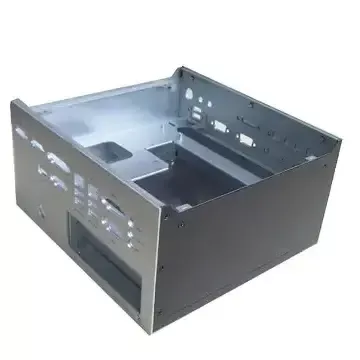
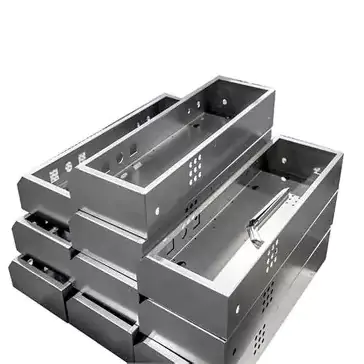
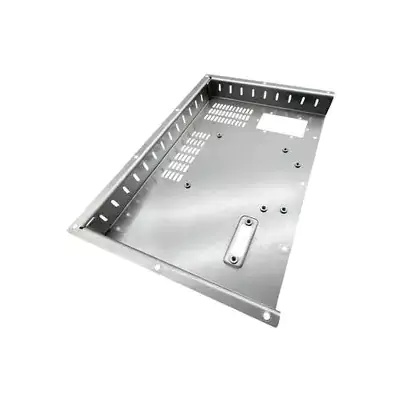
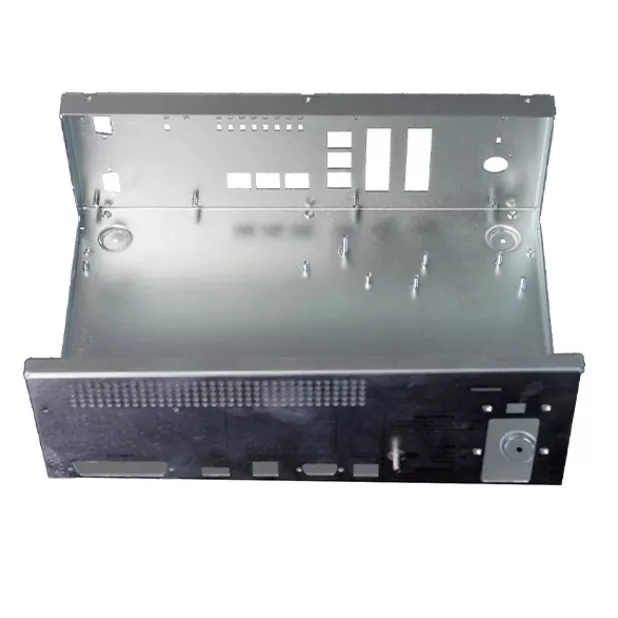
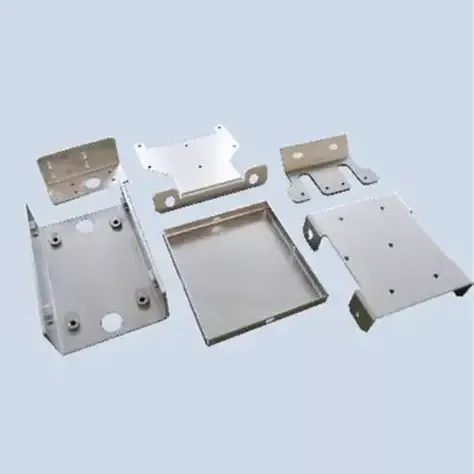
Server cabinet sheet metal refers to precision-formed metal panels and structural components used to construct enclosures for servers, networking devices, and data storage systems. These cabinets act as protective housings that ensure safe operation in high-density computing environments.
In modern data centers, cabinets must handle thermal loads, electromagnetic interference shielding, cable management, and mechanical protection. Sheet metal fabrication ensures these requirements are met through controlled manufacturing techniques and engineered design.
The reliability of IT infrastructure is directly tied to the mechanical integrity of server enclosures. Poorly designed cabinets can lead to overheating, vibration damage, and inefficient airflow. High-quality sheet metal construction mitigates these risks through precision engineering.
Different materials are selected based on cost, strength, corrosion resistance, and environmental requirements.
| Material | Strength | Corrosion Resistance | Cost | Typical Use |
|---|---|---|---|---|
| Cold-Rolled Steel (SPCC) | High | Medium (needs coating) | Low | Standard server cabinets |
| Galvanized Steel (SGCC) | High | High | Medium | Data centers with humidity exposure |
| Stainless Steel | Very High | Very High | High | Harsh environments / outdoor cabinets |
| Aluminum Alloy | Medium | High | Medium-High | Lightweight, modular systems |
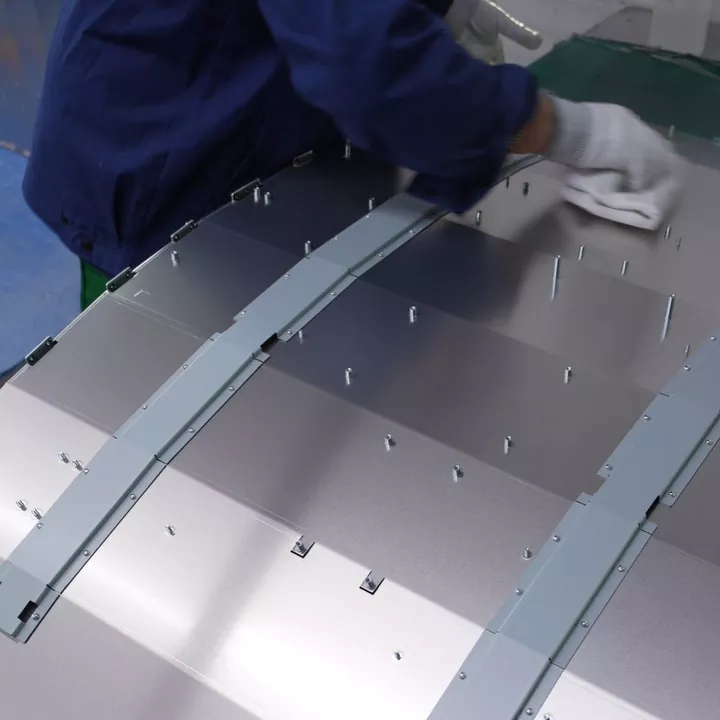
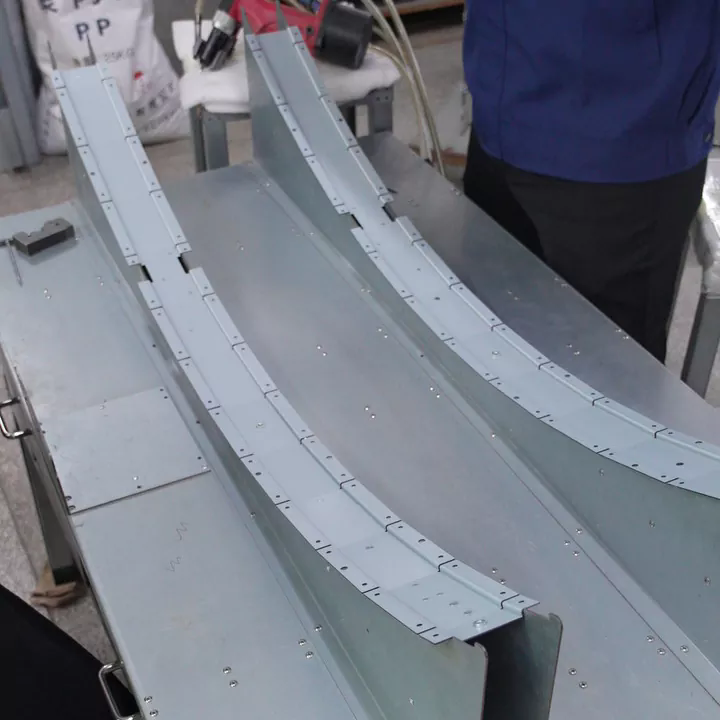
The production of server cabinet sheet metal involves multiple precision-driven processes. Each stage ensures dimensional accuracy, durability, and consistent performance.
These processes ensure that cabinets can withstand continuous operational stress in mission-critical environments.
Effective server cabinet design goes beyond metal fabrication. Engineers must consider airflow dynamics, load distribution, and modular scalability.
A well-designed cabinet improves system uptime and reduces maintenance complexity.
Server cabinet sheet metal solutions are specifically engineered to address common operational challenges faced by IT managers and data center operators.
By using precision sheet metal fabrication, these issues are significantly reduced, improving operational efficiency and reducing downtime risks.
Server cabinet sheet metal is widely used in various industries that rely on secure and stable data infrastructure.
To ensure long-term reliability, strict quality control procedures are implemented during and after production.
These tests ensure that each cabinet meets operational requirements under real-world conditions.
Xinyang specializes in high-precision sheet metal fabrication for server cabinet systems, delivering solutions that balance structural durability, thermal efficiency, and manufacturing consistency. With advanced CNC equipment and strict process control, Xinyang ensures each product meets industrial-grade performance standards.
Compared with standard manufacturing approaches, Xinyang focuses on:
This makes Xinyang a reliable partner for enterprises seeking stable and scalable infrastructure solutions.
Q1: What is the lifespan of a server cabinet sheet metal enclosure?
A: With proper material selection and coating, most cabinets last 10–20 years depending on environmental conditions.
Q2: Can server cabinets be customized?
A: Yes, dimensions, airflow design, and mounting structures can be fully customized based on requirements.
Q3: What material is best for humid environments?
A: Galvanized steel or stainless steel is recommended due to superior corrosion resistance.
Q4: How is heat managed in server cabinets?
A: Through structured airflow channels, perforated panels, and optimized rack spacing.
Server cabinet sheet metal plays a critical role in ensuring the safety, efficiency, and reliability of modern data infrastructure. From material selection to precision manufacturing and quality testing, every stage contributes to the overall performance of IT systems.
As data demands continue to grow, investing in high-quality sheet metal server cabinets becomes essential for long-term operational stability. Xinyang provides engineered solutions designed to meet these evolving requirements with precision and consistency.
For customized solutions, technical consultation, or bulk procurement options, contact us today to discuss how Xinyang can support your server cabinet sheet metal needs and strengthen your infrastructure performance.