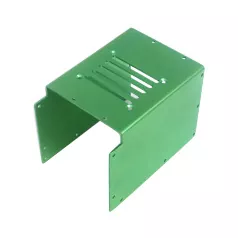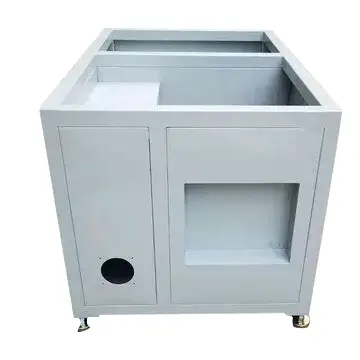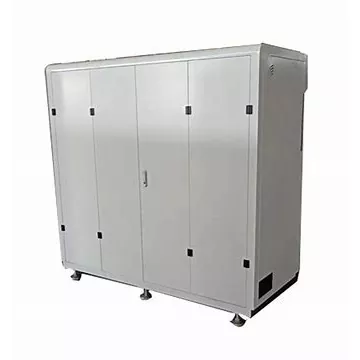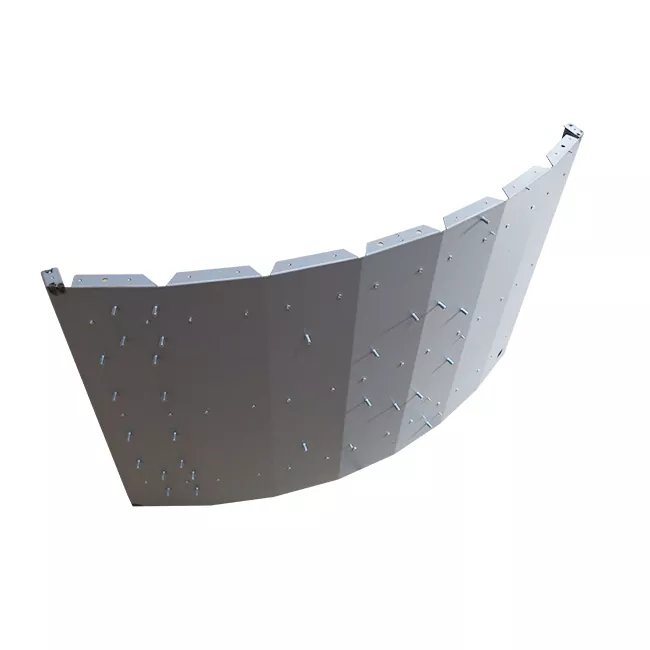
LCD monitor sheet metal plays a critical role in ensuring structural strength, thermal efficiency, and long-term reliability of display devices. From protecting internal components to enhancing heat dissipation, the right sheet metal design directly impacts product lifespan and performance. This article explores how it works, why it matters, and how to choose the best solution for your needs.
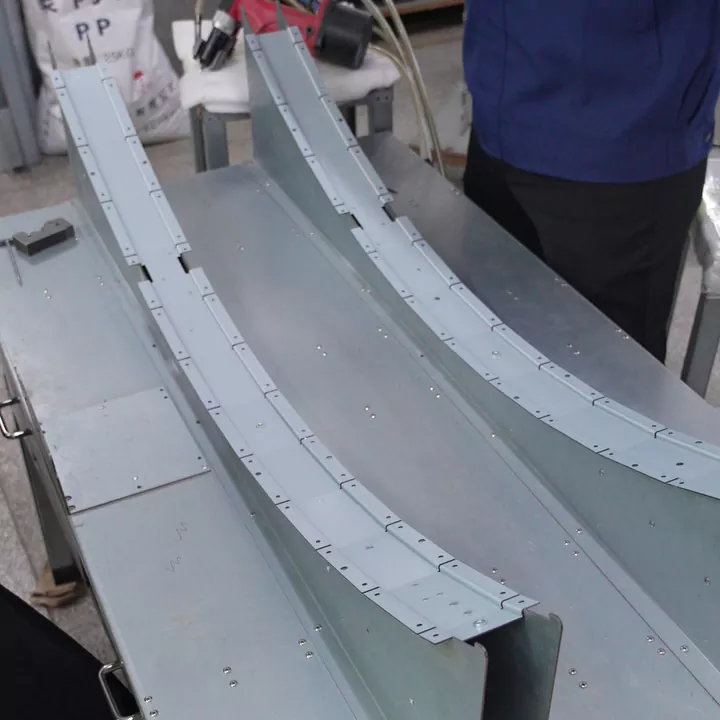
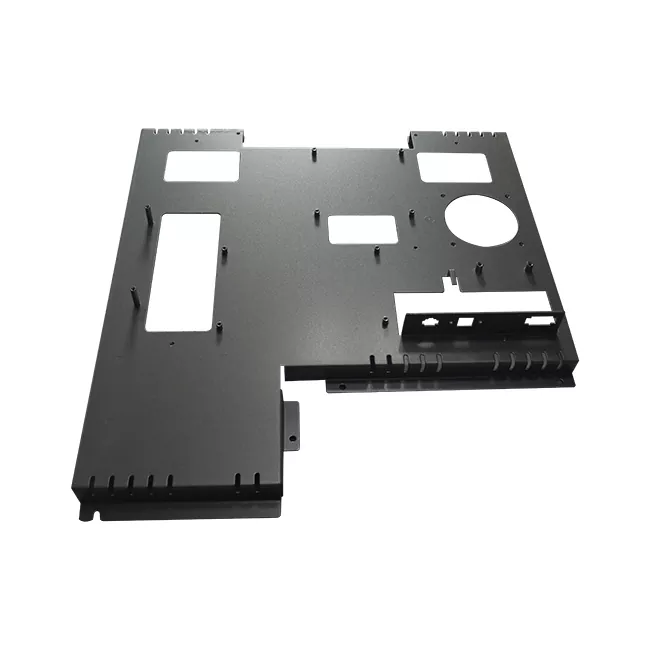
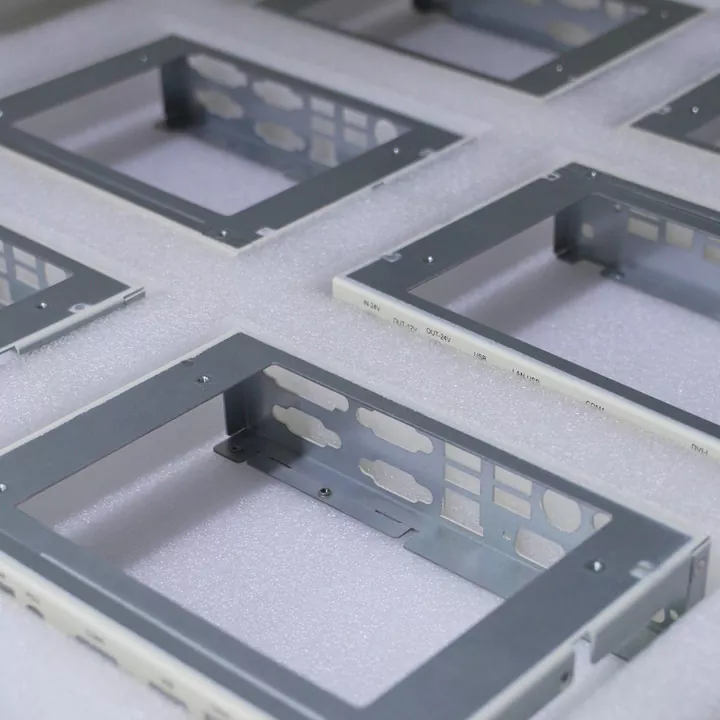
LCD monitor sheet metal refers to the precision-engineered metal components used in the internal and external structure of display units. These parts serve as the backbone of the monitor, supporting delicate electronic components such as panels, circuit boards, and backlight systems.
Unlike plastic housings, sheet metal offers superior rigidity and resistance to deformation. It is widely used in commercial displays, industrial monitors, and high-performance consumer electronics due to its reliability and structural integrity.
Many users focus on screen resolution or refresh rate, but overlook the importance of internal construction. Poor structural design can lead to overheating, vibration damage, or reduced lifespan.
For industries such as medical equipment, gaming displays, and industrial automation, these factors are not optional—they are essential.
The choice of material significantly influences performance, cost, and durability. Below are the most commonly used materials:
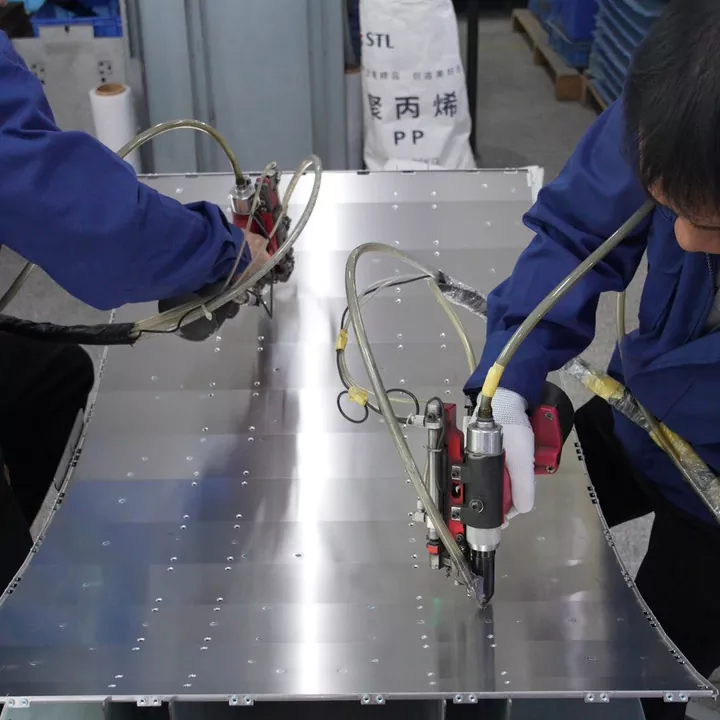
LCD monitor sheet metal production involves several precision-driven steps to ensure accuracy and consistency.
Each step requires tight tolerances to ensure compatibility with electronic parts and overall product quality.
Choosing high-quality LCD monitor sheet metal provides measurable advantages:
These benefits are particularly important for businesses deploying monitors in large-scale or mission-critical environments.
| Material | Strength | Weight | Corrosion Resistance | Cost |
|---|---|---|---|---|
| Cold-Rolled Steel | High | Heavy | Moderate | Low |
| Galvanized Steel | High | Heavy | High | Medium |
| Aluminum | Moderate | Light | High | Medium |
| Stainless Steel | Very High | Heavy | Very High | High |
Selecting the right LCD monitor sheet metal depends on your application requirements. Consider the following:
Working with an experienced manufacturer ensures that your specifications are met with precision and consistency.
For detailed product specifications and customization options, visit: https://www.dgsxy.com/lcd-monitor-sheet-metal
Q1: Why is sheet metal preferred over plastic in LCD monitors?
Sheet metal provides better durability, heat dissipation, and structural strength compared to plastic, making it suitable for high-performance applications.
Q2: Can sheet metal improve monitor lifespan?
Yes, it protects internal components from physical damage and overheating, significantly extending the product’s lifespan.
Q3: Is aluminum better than steel for monitors?
Aluminum is lighter and better at heat dissipation, while steel offers higher strength. The choice depends on your specific needs.
Q4: What surface treatments are commonly used?
Powder coating, anodizing, and galvanization are commonly used to enhance durability and corrosion resistance.
Q5: Can sheet metal be customized?
Yes, manufacturers can tailor dimensions, thickness, and finishes to meet specific design requirements.
LCD monitor sheet metal is more than just a structural component—it is a key factor in performance, durability, and user satisfaction. By selecting the right materials and manufacturing processes, businesses can ensure long-lasting and reliable display solutions.
Xinyang specializes in high-quality LCD monitor sheet metal solutions tailored to diverse industrial and commercial needs. If you are looking for precision, durability, and cost-effective manufacturing, Xinyang is your trusted partner—contact us today to discuss your project and get a customized solution.