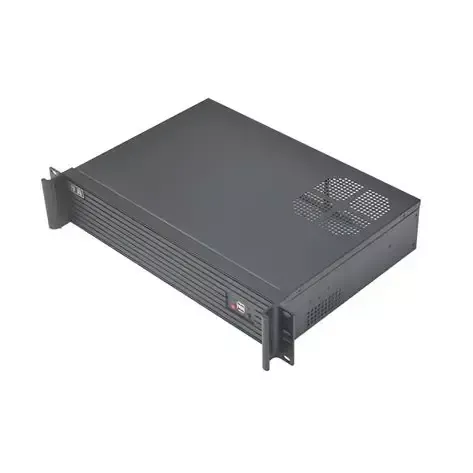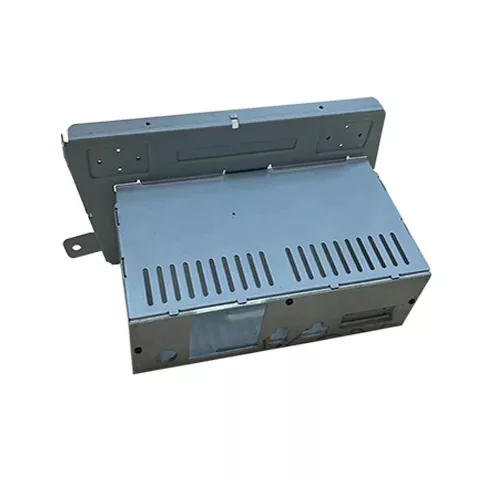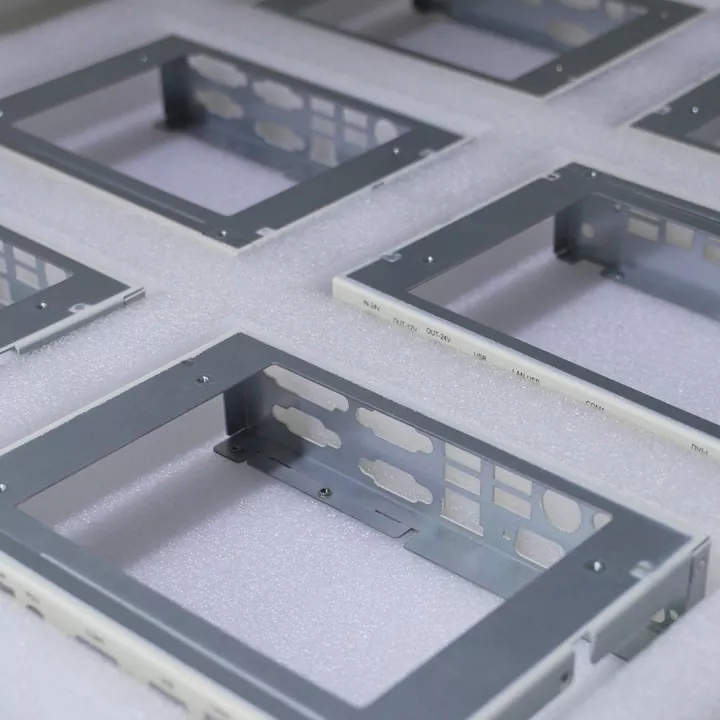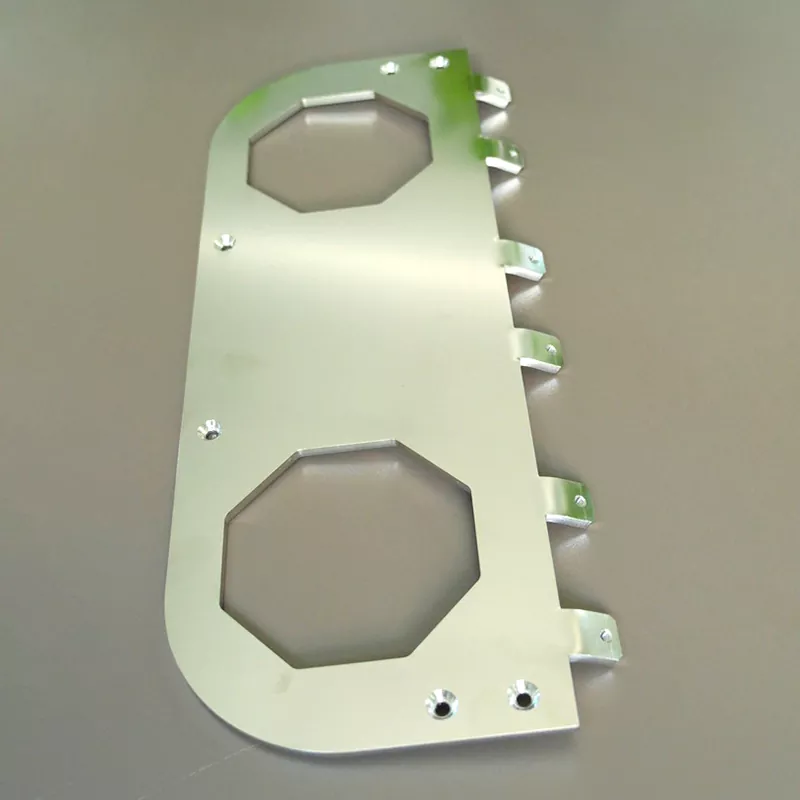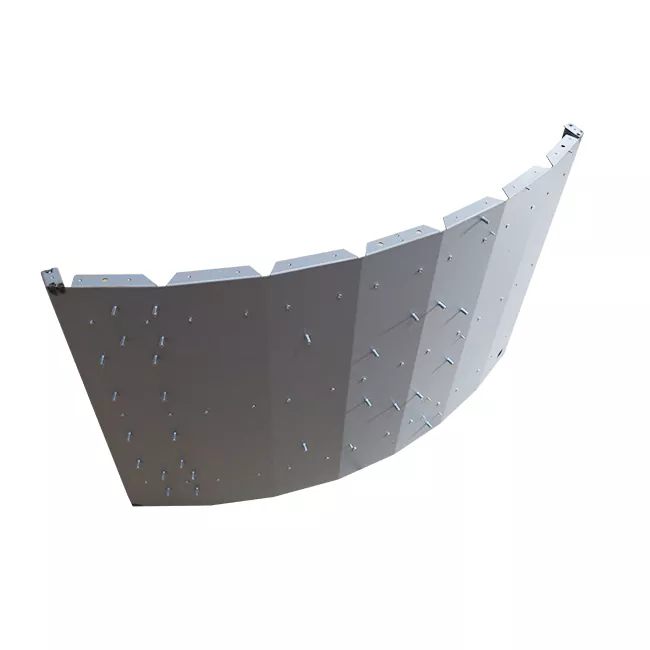
Abstract: Metal product sheet metal fabrication is a cornerstone of modern manufacturing. From precision components to large-scale industrial assemblies, understanding the processes, materials, and technologies involved can help businesses optimize production, reduce costs, and enhance product quality. This article explores the key aspects of sheet metal fabrication, addressing common challenges and providing practical solutions for manufacturers.

Sheet metal fabrication involves transforming flat sheets of metal into specific shapes and components through cutting, bending, and assembling. This technique is vital across industries such as automotive, aerospace, electronics, and construction. It allows manufacturers to create durable and precise parts efficiently, making it a critical solution for companies seeking scalability and quality control.
Understanding the primary processes is essential for selecting the right fabrication method. Here are the core techniques:
| Process | Description | Applications |
|---|---|---|
| Cutting | Removing excess material using lasers, shears, or water jets. | Custom shapes, precision parts. |
| Bending | Deforming metal sheets into specific angles using presses or rollers. | Enclosures, brackets, frames. |
| Punching | Creating holes or slots through mechanical punches or CNC machines. | Panels, electrical boxes. |
| Welding & Assembly | Joining multiple metal parts using TIG, MIG, or robotic welding. | Complex assemblies, structural components. |
| Finishing | Surface treatments like powder coating, anodizing, or polishing. | Corrosion resistance, aesthetics. |
Selecting the right material is crucial for strength, durability, and manufacturability. Common materials include:
Investing in high-quality sheet metal fabrication offers tangible advantages:
Despite its benefits, sheet metal fabrication can face obstacles. Here’s how to address them:
| Challenge | Impact | Solution |
|---|---|---|
| Material Waste | Increased production cost and inefficiency. | Optimize nesting layouts and adopt CNC cutting techniques. |
| Design Complexity | Difficulty in bending or assembling intricate shapes. | Use CAD simulation and DFM (Design for Manufacturing) principles. |
| Surface Defects | Reduces aesthetic appeal and may affect corrosion resistance. | Implement proper finishing processes like powder coating or anodizing. |
| Supply Chain Delays | Production interruptions and late deliveries. | Maintain inventory buffers and partner with reliable suppliers. |
Metal product sheet metal fabrication is a versatile and essential process for modern manufacturing. By understanding the processes, materials, and challenges, companies can achieve efficient production, higher quality components, and cost-effective solutions. Partnering with experienced fabrication companies ensures reliable outcomes and faster project completion.
For superior sheet metal solutions and expert guidance, Xinyang is ready to support your business needs. Contact us today to discuss your next project and discover how our precision metal fabrication services can help your company succeed.