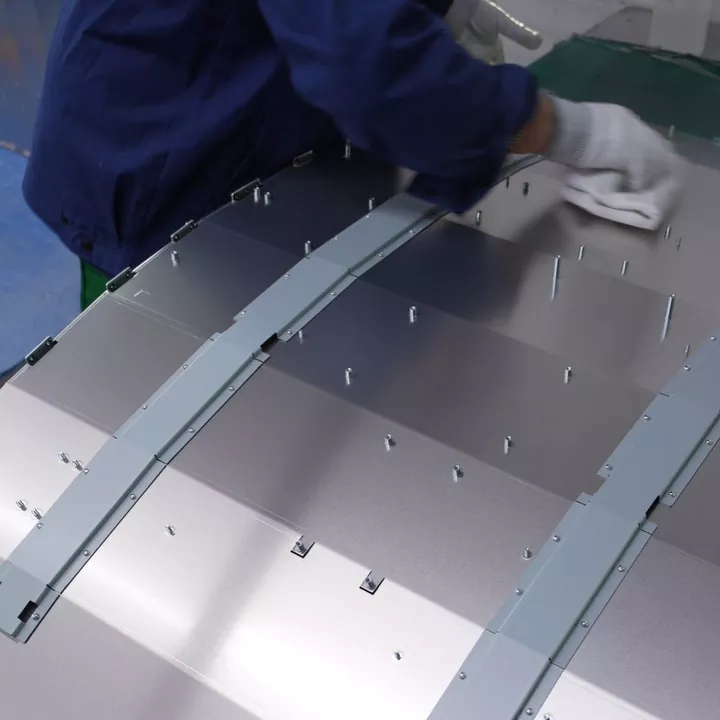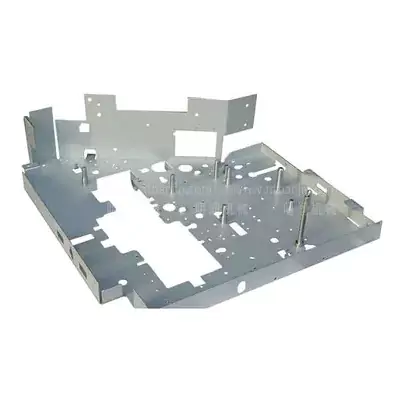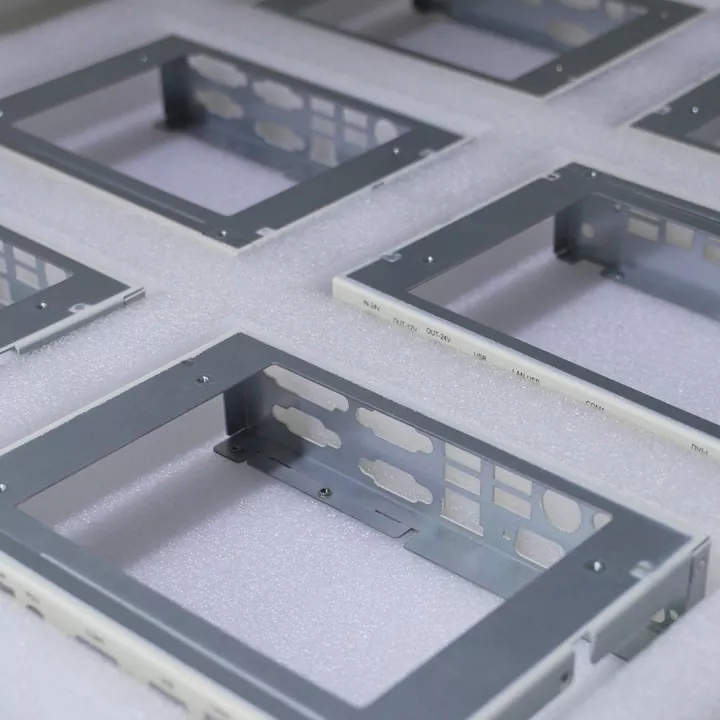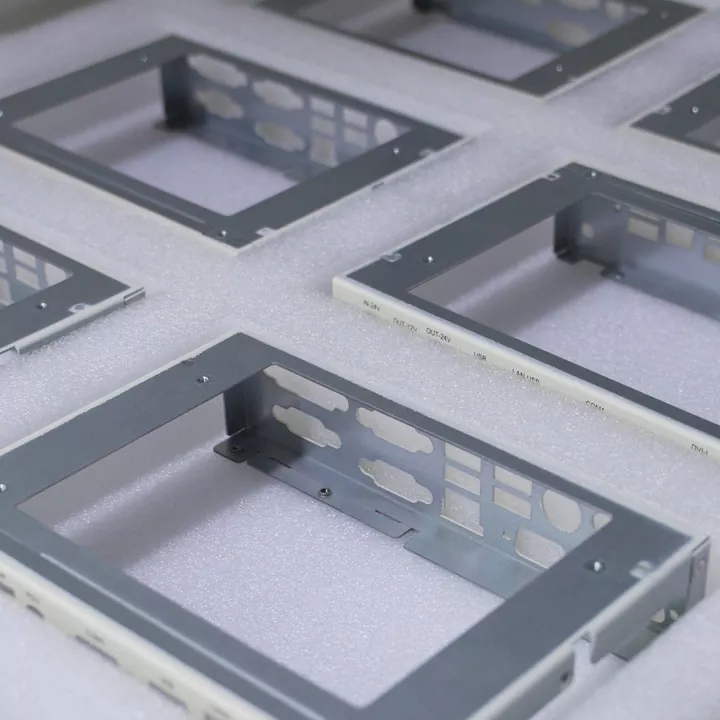
Xinyang LCD Monitor Sheet Metal solutions show how material thickness influences monitor weight, structural strength, and long-term reliability through practical sheet metal processing experience.

Modern LCD monitors are becoming thinner, lighter, and more functional. While screen technology continues to improve, the metal structure inside and outside the monitor still plays an important role in supporting the display, protecting internal components, and maintaining product stability.
The thickness of sheet metal used in LCD monitor structures directly affects several key factors, including overall weight, resistance to deformation, heat management, and installation reliability. Choosing unsuitable thickness may create problems such as insufficient support, unnecessary weight, or increased manufacturing difficulty.
In professional sheet metal processing, the goal is not simply to make metal parts thicker or thinner. The right thickness needs to balance strength, appearance, manufacturing efficiency, and practical usage requirements.
For LCD Monitor Sheet Metal applications, engineers usually consider the monitor size, mounting method, internal component arrangement, transportation conditions, and expected working environment before determining the appropriate material thickness.
One of the most noticeable effects of sheet metal thickness is its influence on the total weight of the monitor structure.
A thicker metal panel naturally increases material usage and adds weight. For large industrial displays or equipment monitors, excessive weight can affect installation methods, transportation costs, and supporting structures.
However, reducing thickness without proper evaluation may weaken the monitor housing and create durability issues.
| Application Type | Thickness Consideration | Main Purpose |
| Desktop monitors | Lightweight structure | Easy installation and daily use |
| Industrial displays | Balanced thickness | Long-term stability and protection |
| Control equipment screens | Higher structural strength | Resistance to vibration and impact |
| Customized equipment monitors | Design-specific thickness | Matching special working conditions |
The ideal sheet metal thickness depends on the actual application rather than a single standard value. A commercial office monitor and an industrial control display may have completely different structural requirements.
For example, a monitor installed inside an automation system may experience continuous vibration. In this situation, a slightly stronger metal structure can help maintain stability over a longer operating period.
Durability is one of the main reasons why sheet metal structures remain widely used in professional display equipment.
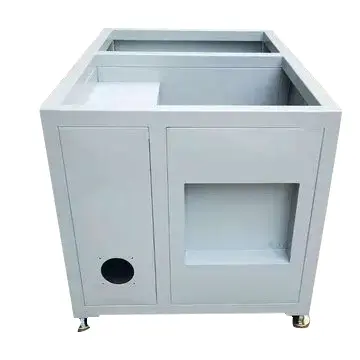
A properly designed metal enclosure helps protect sensitive electronic components from external pressure, accidental impact, and environmental influences.
Thin metal sheets may be easier to process and reduce weight, but they can be more vulnerable to bending or deformation if the structure is not properly designed.
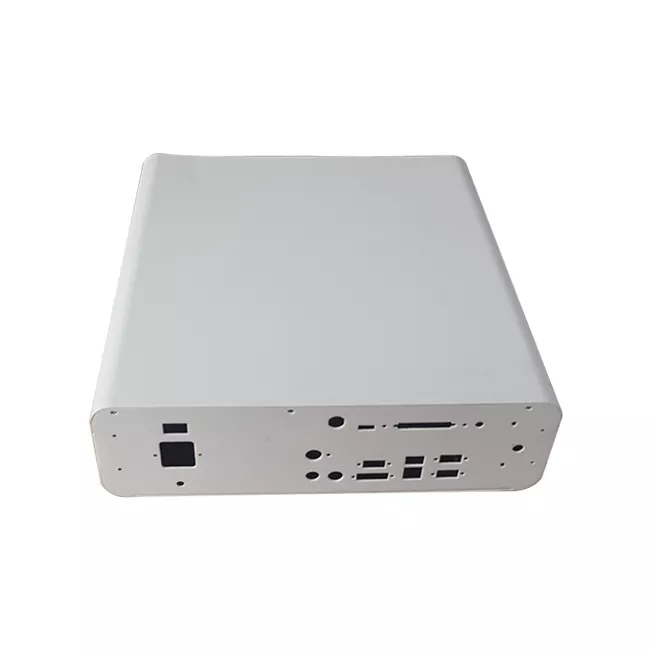
For LCD monitors with larger screen sizes, the rear housing needs enough rigidity to support internal components while maintaining a stable frame.
Through reasonable thickness selection combined with structural design, sheet metal parts can provide:
- Better resistance to bending
- Improved assembly accuracy
- Stronger support for internal components
- More stable installation performance
Industrial environments often require displays to operate continuously for extended periods. A stable metal housing helps maintain the correct position of internal electronic parts and reduces the impact of external vibration.
This is especially important for:
- Factory automation displays
- Industrial computer monitors
- Control system interfaces
- Testing equipment screens
In these applications, durability of LCD Monitor Sheet Metal is not only related to material thickness but also connected with cutting accuracy, bending quality, welding strength, and surface treatment.
The development of LCD monitors has created a growing demand for structures that are both strong and lightweight.
Using excessive material thickness may improve strength, but it can also increase costs, reduce design flexibility, and make installation more difficult.
On the other hand, extremely thin structures may create challenges during assembly and transportation.
A balanced design approach considers:
| Design Factor | Influence On Monitor Structure |
| Material thickness | Determines basic strength and weight |
| Sheet metal shape | Affects rigidity and deformation resistance |
| Bending design | Improves structural stability |
| Welding points | Influences connection strength |
| Surface treatment | Improves protection and appearance |
Experienced processing teams usually combine material selection with manufacturing knowledge instead of evaluating thickness separately.
A well-designed structure can sometimes achieve high strength through smart bending patterns, reinforcement areas, and optimized construction rather than simply increasing material thickness.
The thickness of sheet metal is only one part of the final product quality. Manufacturing accuracy also plays a major role.
For LCD monitor housings, several processing steps work together:
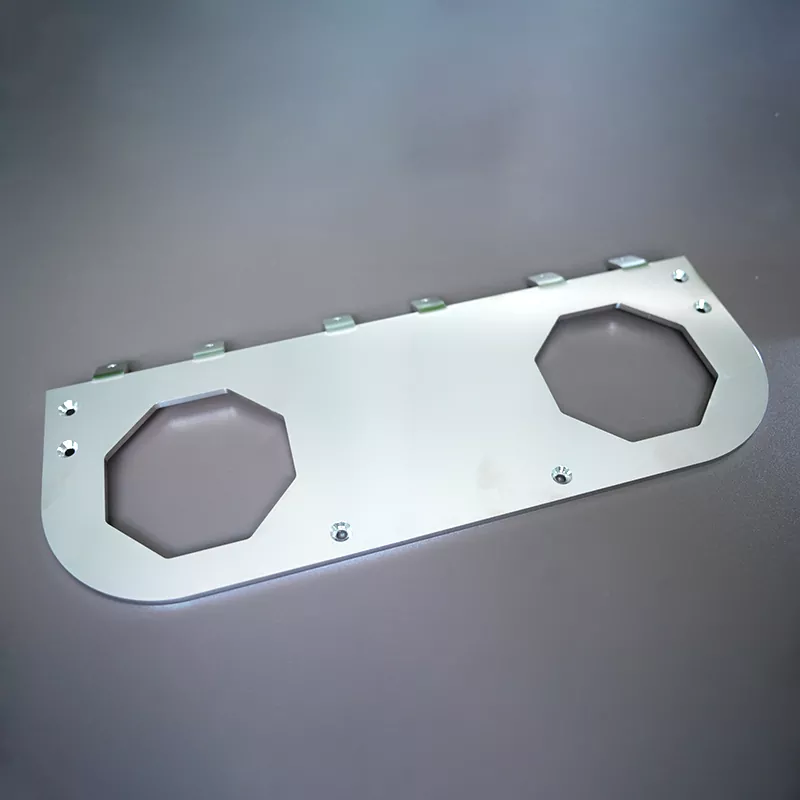
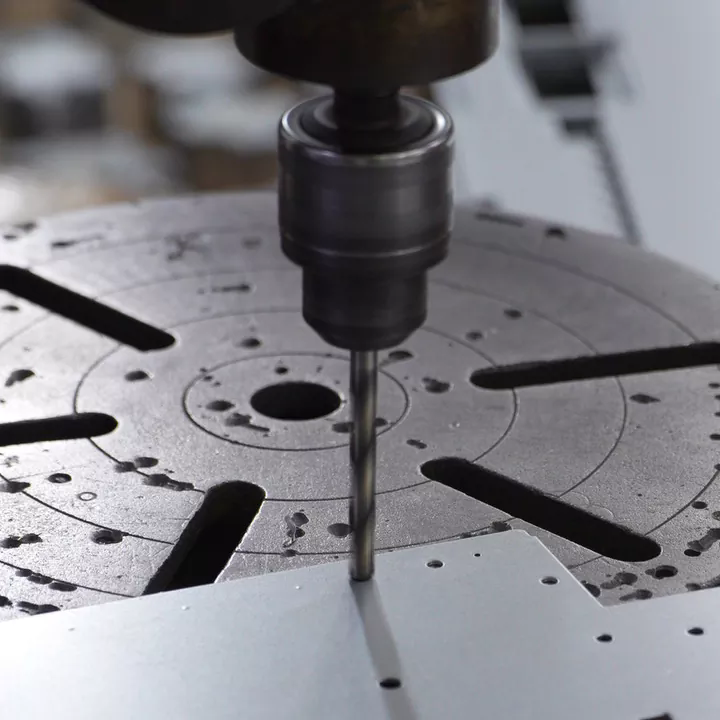
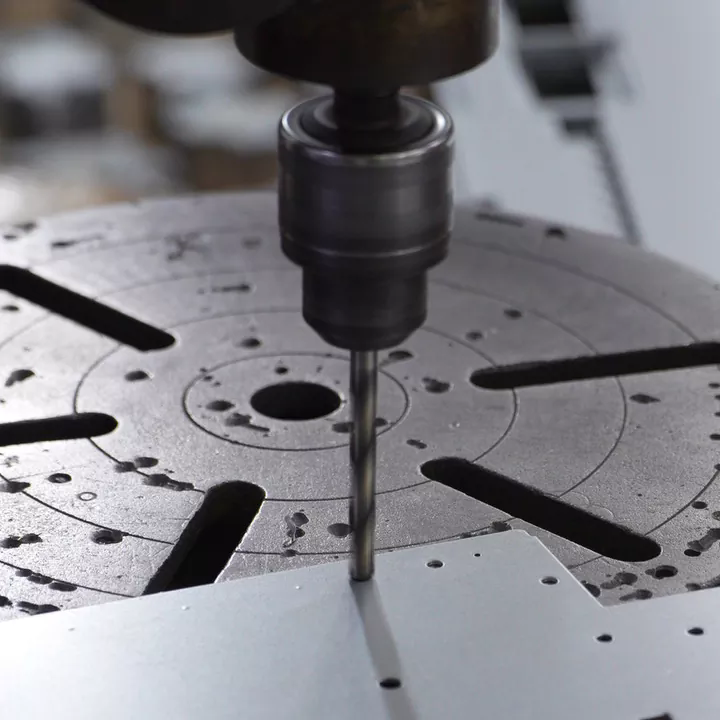
Laser cutting allows metal sheets to be shaped according to precise digital drawings. Accurate cutting ensures that mounting holes, ventilation openings, and connecting areas match the required design.
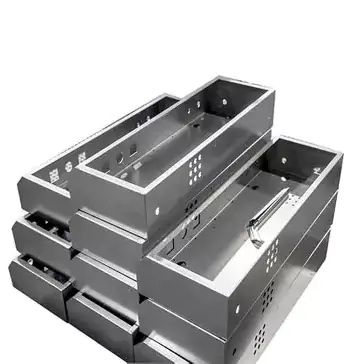
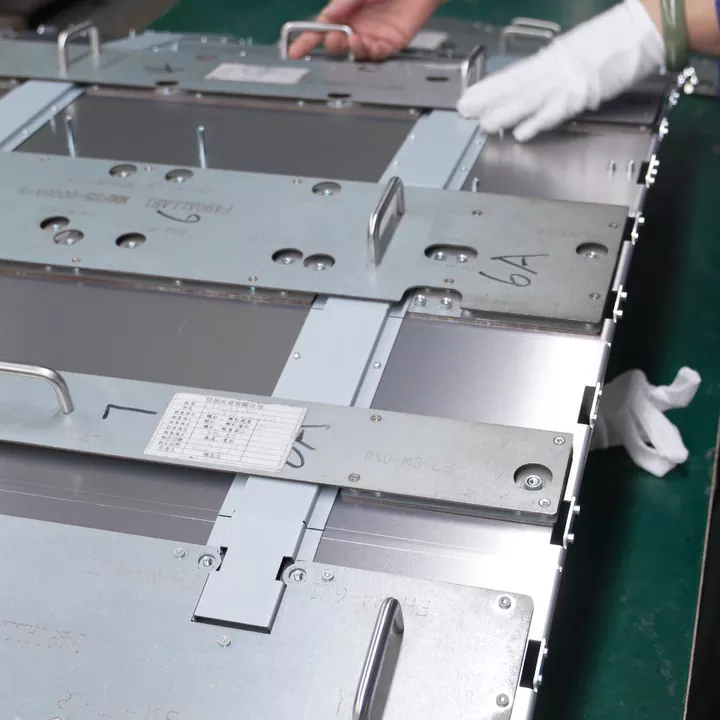
After cutting, CNC bending creates the three-dimensional shape of the monitor housing. Proper bending control helps maintain consistent angles and improves assembly accuracy.
Welding connects different metal sections into a complete structure. After welding, surface treatment processes such as spraying can improve corrosion resistance and appearance quality.
The combination of these processes allows LCD monitor structures to achieve reliable performance without unnecessary material usage.
Located in Shipai Town, Dongguan, Xinyang has developed practical experience in sheet metal processing since 2016. The company operates a 6,000㎡ production facility with more than 50 personnel and over 100 pieces of production equipment.
Its production capabilities include laser cutting, CNC punching, CNC bending, welding, automatic spraying, and screen printing. These processes support customized sheet metal solutions for industrial equipment, electrical systems, communication products, and display-related applications.
For LCD Monitor Sheet Metal projects, several factors are considered during processing:
| Processing Focus | Application Value |
| Accurate dimensions | Ensures proper assembly of monitor components |
| Structural strength | Supports stable operation |
| Surface quality | Improves appearance and protection |
| Customized design processing | Matches different equipment requirements |
With experience in drawing-based processing, Xinyang focuses on helping customers achieve practical metal structures that meet specific design requirements.
Not necessarily. A thicker panel can increase strength, but excessive thickness may add unnecessary weight. Good structural design combines suitable thickness with proper reinforcement and processing methods.
Yes. With accurate bending design, quality welding, and suitable structural planning, thinner materials can still achieve reliable performance in many applications.
Important factors include monitor size, installation method, operating environment, vibration conditions, internal component weight, and expected service life.
As industrial displays become more compact and intelligent, sheet metal structures are also developing toward lighter and more efficient designs.
Future trends may include:
- More optimized material usage
- Greater integration with digital manufacturing
- Improved structural design methods
- Higher precision processing requirements
- More customized solutions for specialized equipment
The challenge for modern sheet metal processing is to create structures that are strong enough for demanding environments while remaining lightweight and efficient.
The thickness of LCD monitor sheet metal plays an important role in determining the balance between weight, durability, and structural reliability. The best results come from combining appropriate material selection with accurate cutting, bending, welding, and surface treatment processes.
Through years of practical experience in customized sheet metal processing, Dongguan Xinyang Industrial Co., Ltd. continues to apply professional production methods to LCD Monitor Sheet Metal, industrial equipment housings, and related precision metal components, supporting stable and reliable designs for different application environments.