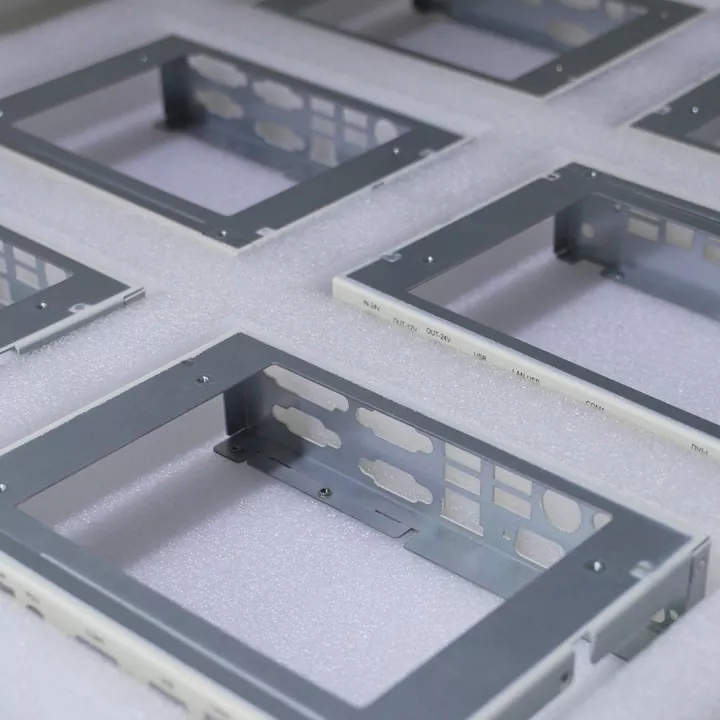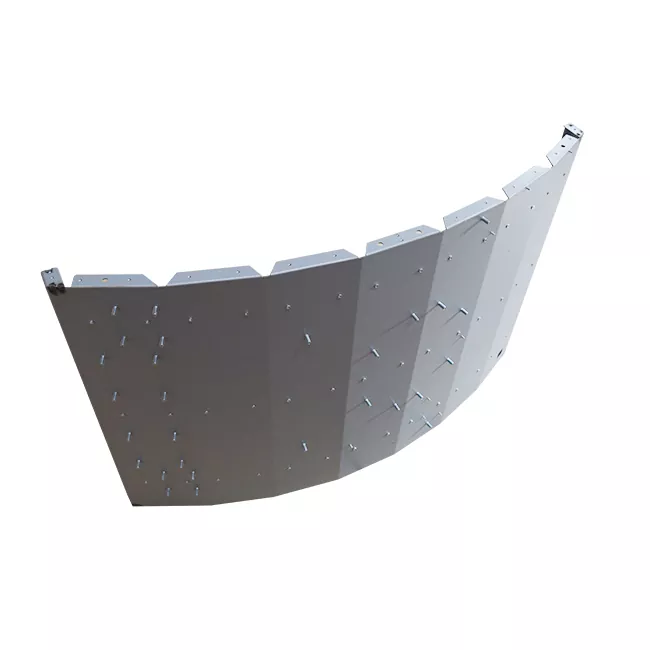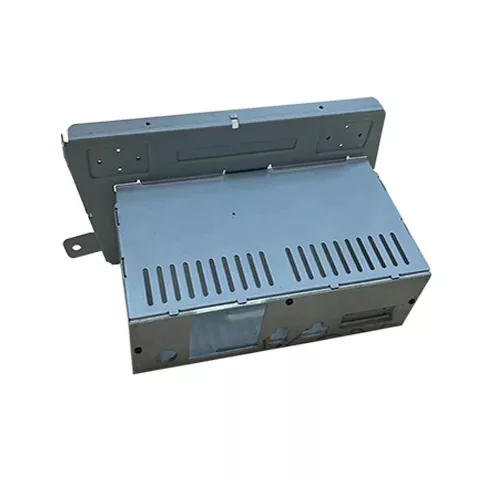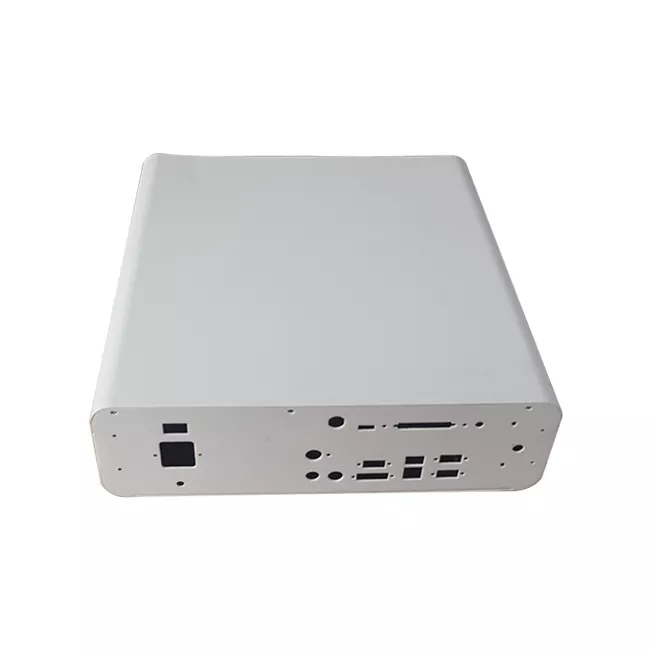
Sheet metal fabrication for housings is a foundational manufacturing process used to create durable, precise, and scalable enclosures for electrical systems, industrial machinery, medical devices, and consumer products. This article explores the complete lifecycle of housing fabrication—from material selection and design considerations to cutting, forming, assembly, and quality inspection. It also addresses common challenges faced by buyers and engineers, while offering practical insights to improve cost efficiency, structural integrity, and product performance. Whether you are sourcing enclosures for electronics or heavy-duty industrial equipment, understanding this process helps you make informed engineering and procurement decisions.
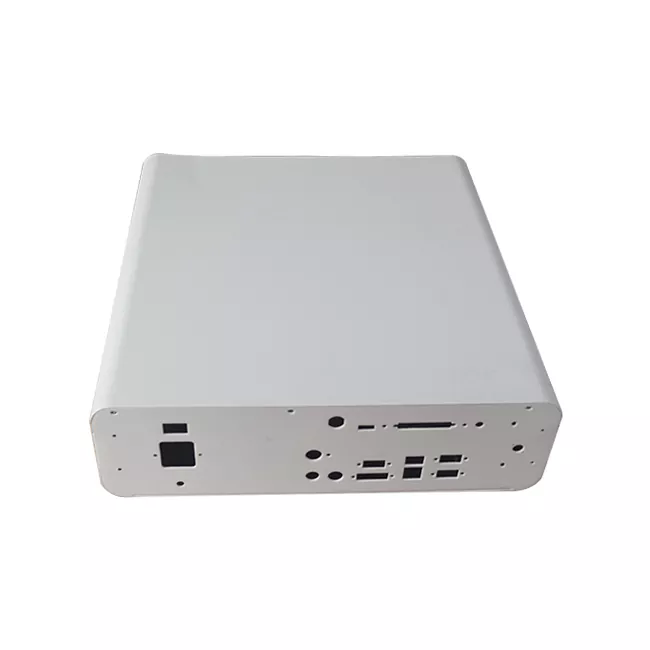
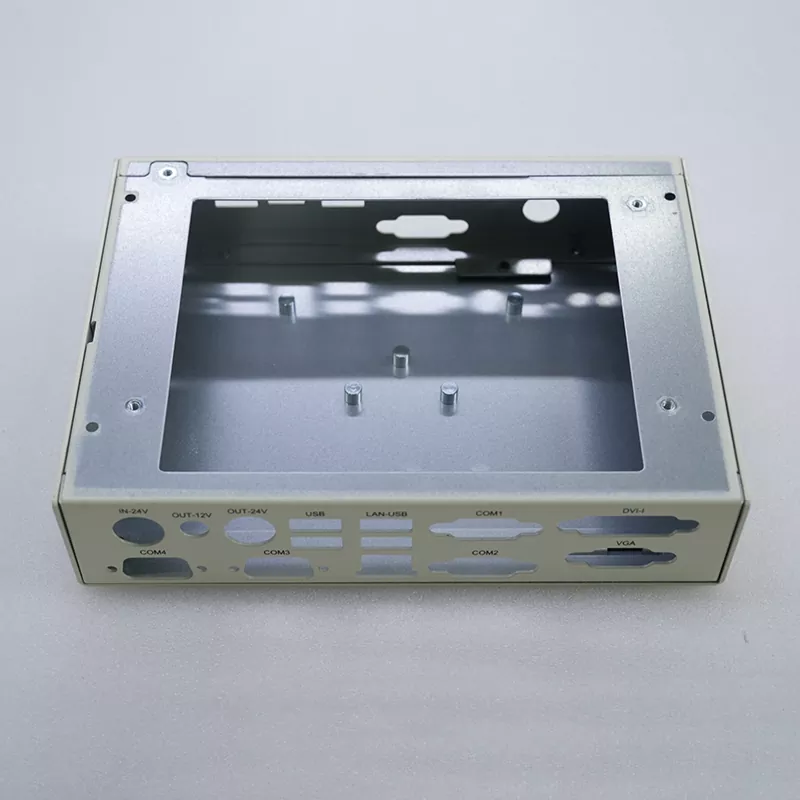
Sheet metal fabrication for housings refers to the process of transforming flat metal sheets into three-dimensional protective enclosures. These housings serve as structural and protective shells for sensitive internal components, ensuring safety, thermal stability, and mechanical strength.
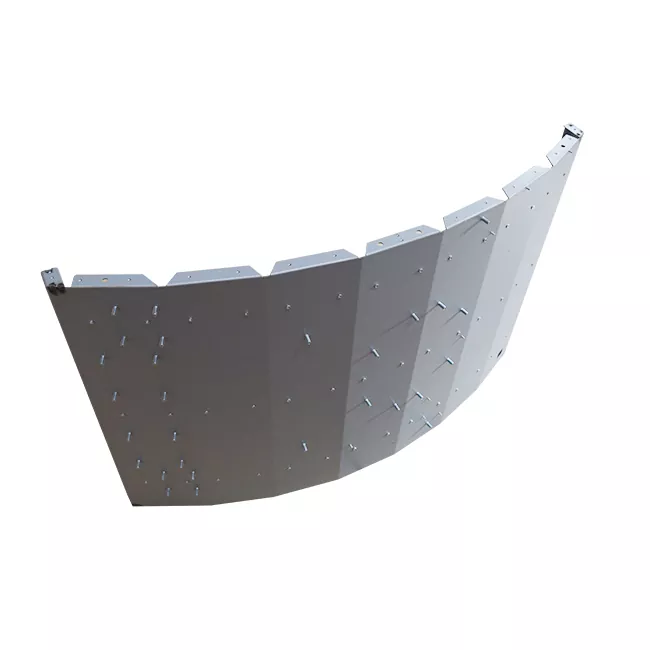
Industries rely on this process because it enables high customization, repeatable precision, and compatibility with automated production systems. From compact electronic enclosures to large industrial cabinets, sheet metal fabrication ensures consistency in performance and durability.
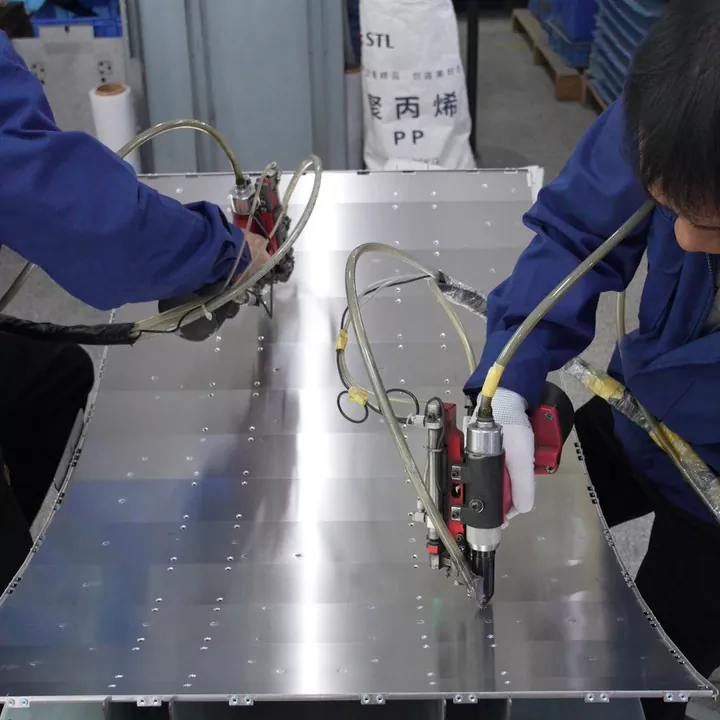
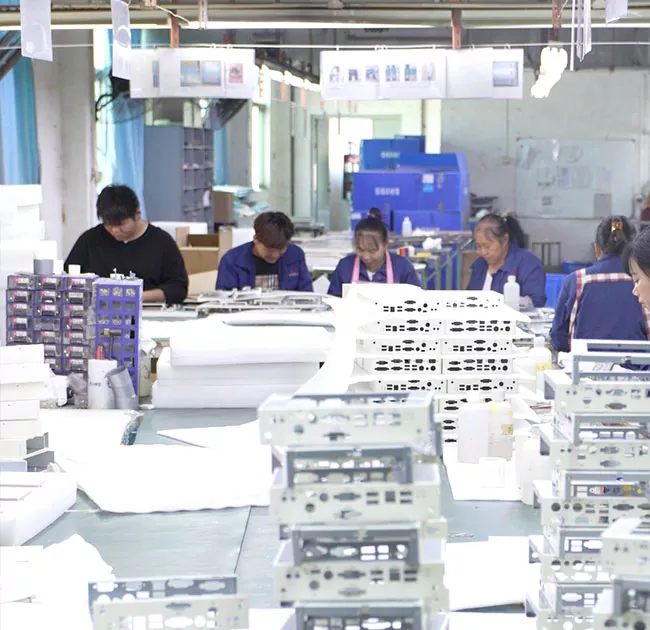
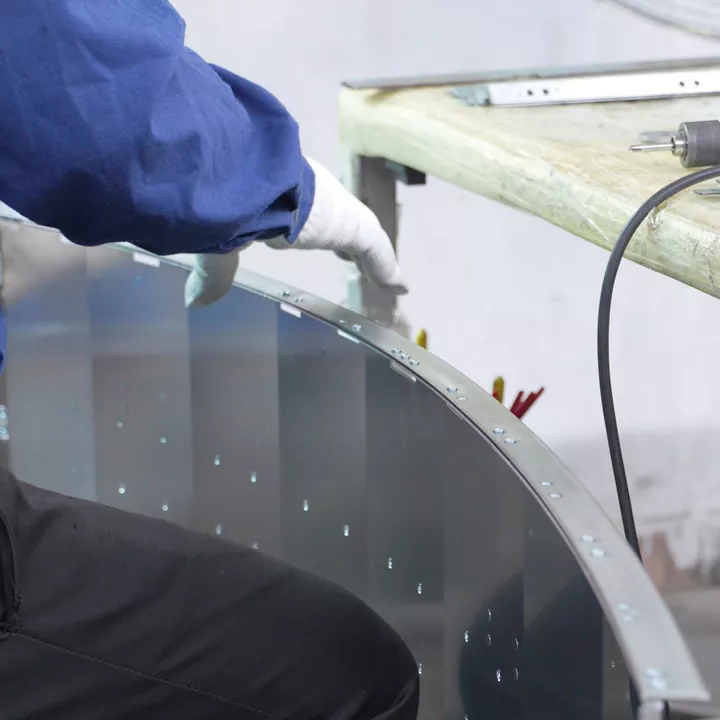
The production of sheet metal housings involves multiple integrated steps, each contributing to structural accuracy and functional reliability.
Each process is carefully controlled to ensure dimensional accuracy and repeatability, especially in high-volume production environments.
Selecting the right material is crucial for achieving optimal performance in sheet metal fabrication for housings. Common materials include stainless steel, aluminum, galvanized steel, and cold-rolled steel.
Material selection depends on environmental exposure, mechanical stress, thermal requirements, and budget constraints.
Engineering design plays a critical role in ensuring housings perform reliably under operational stress. Poor design often leads to deformation, poor heat dissipation, or assembly issues.
Advanced CAD modeling and simulation tools are widely used to validate designs before production begins.
Quality assurance ensures that each housing meets strict functional and dimensional requirements. Manufacturers implement multiple inspection stages throughout production.
These tests help reduce failure rates and ensure long-term durability in demanding environments.
Sheet metal fabrication for housings is used across multiple industries due to its flexibility and scalability.
Each application requires specific design adaptations to meet safety, durability, and performance standards.
While sheet metal fabrication for housings offers many benefits, it also presents engineering challenges that must be carefully managed.
| Aspect | Advantages | Challenges |
|---|---|---|
| Cost Efficiency | Suitable for mass production, reduced per-unit cost | High initial tooling investment |
| Durability | High mechanical strength and long service life | Susceptible to corrosion without treatment |
| Customization | Highly flexible design options | Complex designs may increase production time |
| Precision | High repeatability with CNC machining | Tolerance control requires advanced equipment |
Manufacturers like Xinyang contact us provide integrated fabrication solutions that help businesses optimize both performance and cost efficiency through advanced production systems and engineering support.
Q1: What is the typical lead time for sheet metal housings?
Lead time depends on complexity and volume, typically ranging from 2 to 6 weeks for standard production.
Q2: Which industries benefit most from sheet metal housings?
Industries such as electronics, automotive, telecommunications, and industrial automation rely heavily on them.
Q3: Can sheet metal housings be customized?
Yes, customization is one of the strongest advantages, including size, material, finish, and internal structure.
Q4: What surface finishes are commonly used?
Powder coating, anodizing, brushing, and galvanizing are commonly applied depending on environmental requirements.
Q5: How does quality assurance impact final performance?
Strict quality control ensures structural integrity, dimensional accuracy, and long-term reliability in demanding applications.
Sheet metal fabrication for housings continues to evolve with advancements in automation, precision engineering, and material science. For businesses seeking reliable manufacturing partnerships, Xinyang contact us to explore tailored solutions designed to meet your specific engineering and production needs.