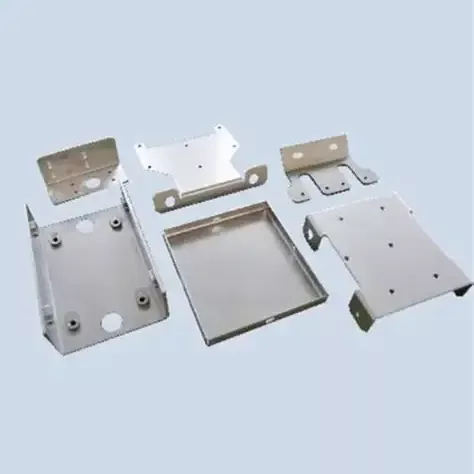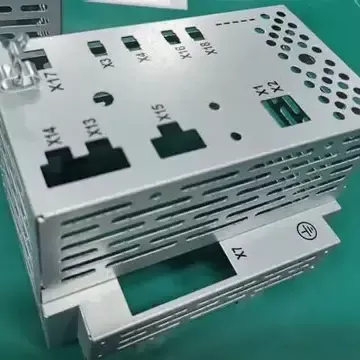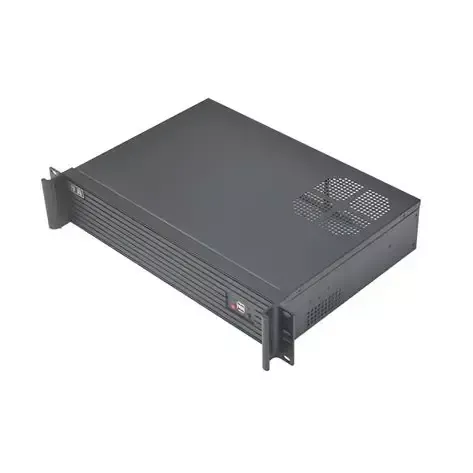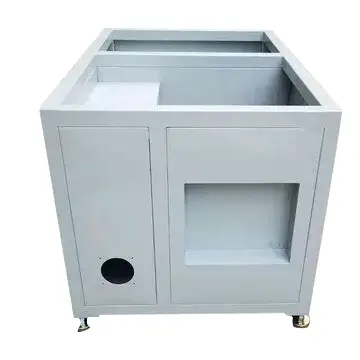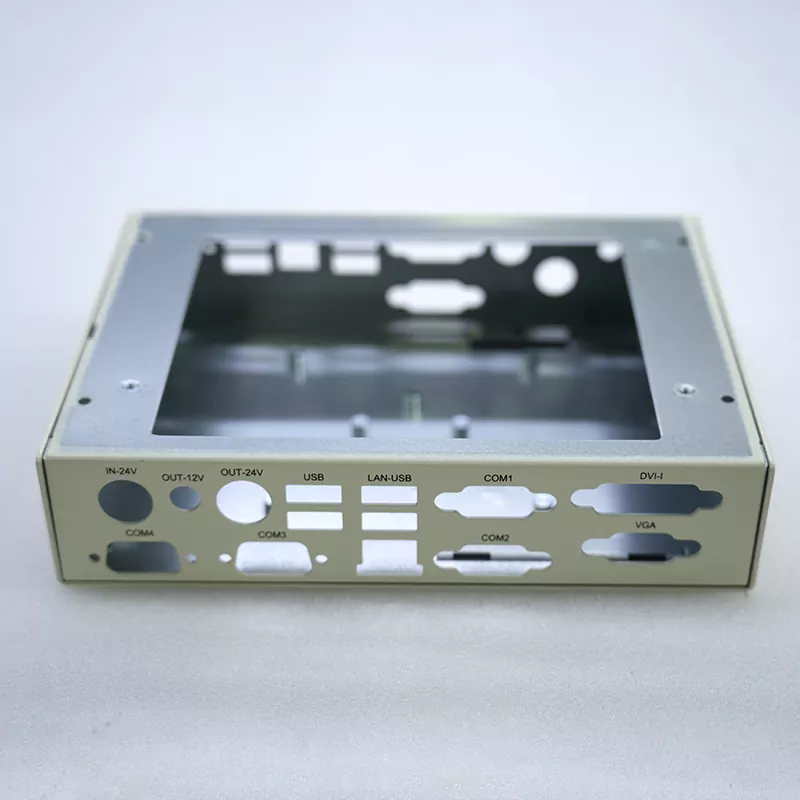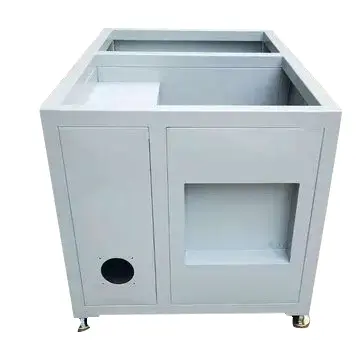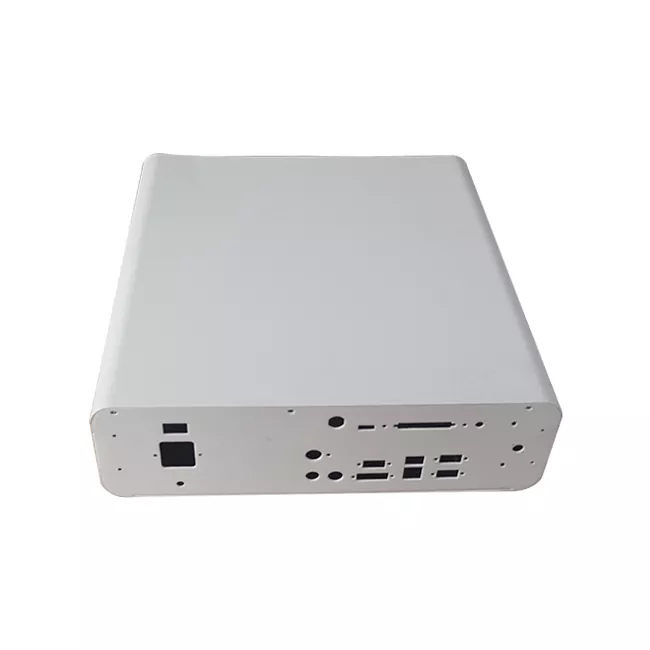
Customized sheet metal bending is a core manufacturing process used to transform flat metal sheets into precise, functional components for industries such as automotive, electronics, construction, and industrial machinery. This article explores how tailored bending solutions enhance accuracy, reduce production waste, improve structural integrity, and support complex product designs. It also breaks down key processes, material considerations, tolerances, applications, and engineering advantages to help buyers and engineers make informed decisions when sourcing bending services.
Customized sheet metal bending refers to the controlled deformation of metal sheets into specific geometries based on engineering drawings and functional requirements. Unlike standard forming processes, customization allows manufacturers to achieve highly specific angles, radii, and structural profiles.
Companies such as :contentReference[oaicite:0]{index=0} specialize in delivering precision-engineered bending services that meet strict industrial requirements. These services are essential in modern manufacturing, where design complexity and dimensional accuracy directly affect product performance.
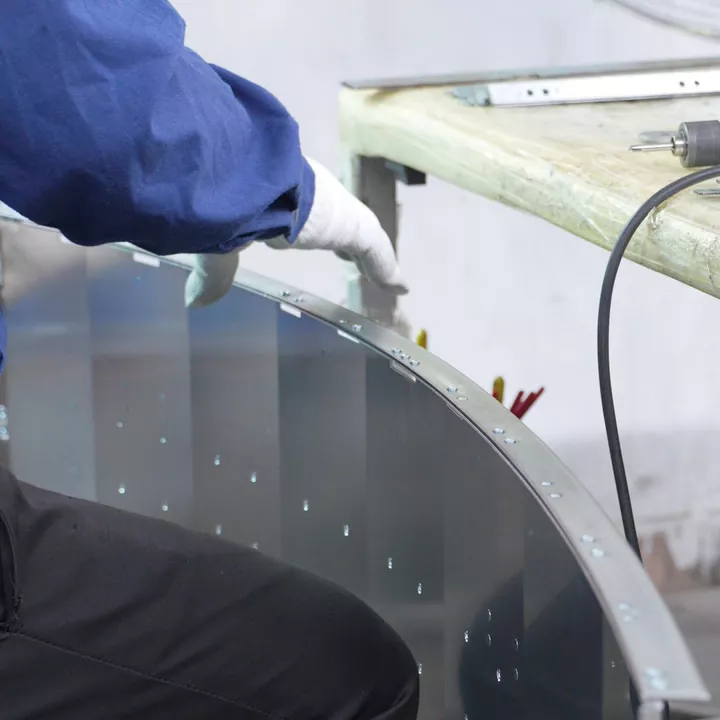
The sheet metal bending process involves multiple controlled stages, each contributing to final accuracy and structural integrity.
Advanced CNC press brakes are commonly used to ensure repeatability and reduce human error in high-volume production environments.
Customized bending provides significant advantages over standard fabrication methods:
Material selection plays a critical role in determining bending performance and final product quality.
| Material | Key Characteristics | Typical Applications |
|---|---|---|
| Stainless Steel | High corrosion resistance, strong, durable | Medical devices, outdoor equipment |
| Aluminum | Lightweight, good formability | Aerospace, electronics enclosures |
| Carbon Steel | High strength, cost-effective | Industrial machinery, structural parts |
| Galvanized Steel | Corrosion-resistant coating | HVAC systems, construction panels |
In customized bending, tolerance refers to the allowable deviation from specified dimensions. Tight tolerance control is essential for ensuring that parts fit seamlessly into assemblies.
Modern fabrication facilities utilize CNC press brakes, real-time feedback systems, and digital calibration tools to achieve tolerances as precise as ±0.1 mm in high-end applications.
At Dongguan Xinyang Industrial Co., Ltd. precision control systems are implemented throughout production to ensure consistency across batches and reduce rework rates.
Customized sheet metal bending is widely used across multiple industries due to its versatility and reliability.
Each application demands specific mechanical properties and geometric precision, making customized solutions essential for optimal performance.
| Method | Precision | Cost Efficiency | Production Speed | Best Use Case |
|---|---|---|---|---|
| Manual Bending | Medium | Low | Slow | Prototyping |
| CNC Bending | High | Medium | Fast | Mass production |
| Hydraulic Press Bending | High | Medium | Medium | Heavy-duty components |
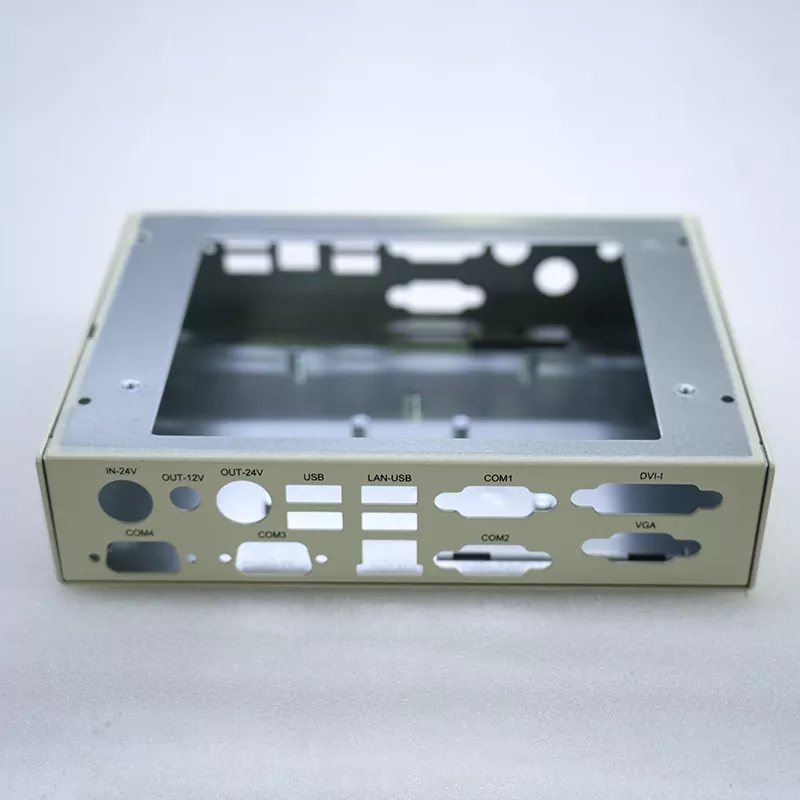
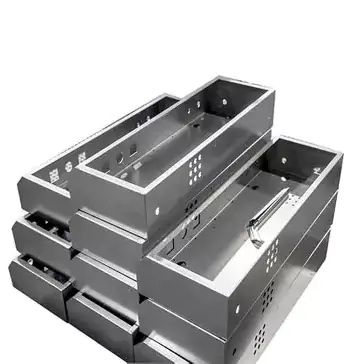
It is used to form metal sheets into precise shapes required for industrial components, structural systems, and electronic enclosures.
CNC bending can achieve high precision, often within ±0.1 mm depending on material and machine capability.
Aluminum is generally the easiest due to its high ductility and low resistance to deformation.
Yes, but highly complex geometries may require additional processes such as laser cutting or welding integration.
Professional manufacturers ensure consistency, reduce production errors, and provide engineering support for optimized design outcomes.
Customized sheet metal bending is a foundational process in modern manufacturing, enabling precision, scalability, and design flexibility. By leveraging advanced equipment and engineering expertise, manufacturers can significantly improve product quality while reducing operational inefficiencies.
Working with experienced providers like :Dongguan Xinyang Industrial Co., Ltd. ensures reliable performance across demanding applications and industries.
For technical consultation, tailored solutions, and production support, contact us today to explore how customized sheet metal bending can enhance your next project.