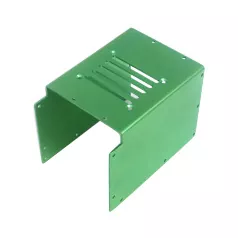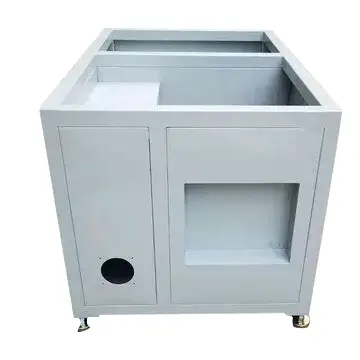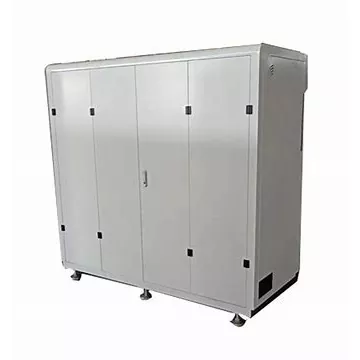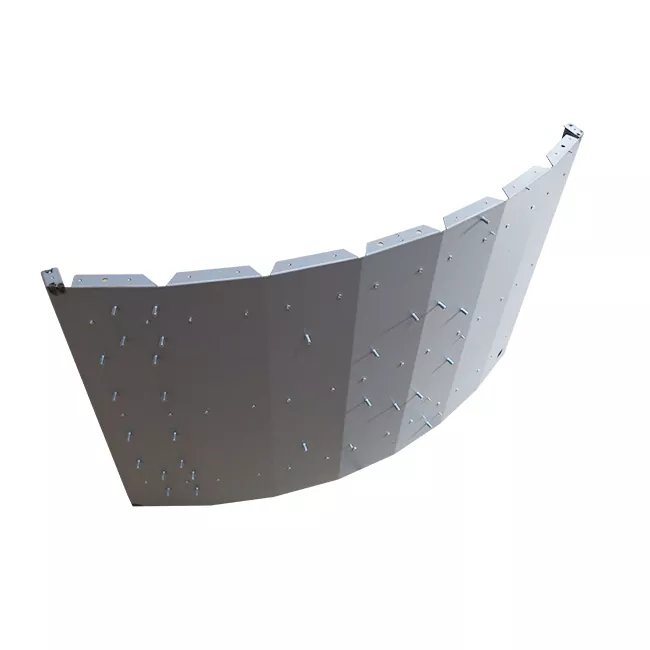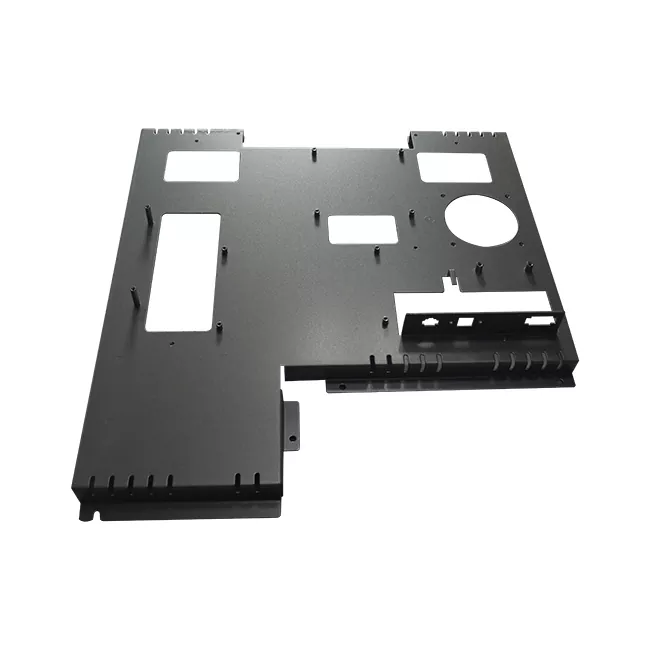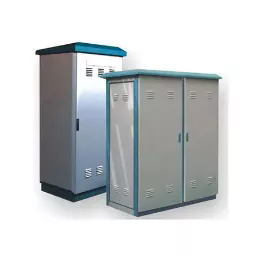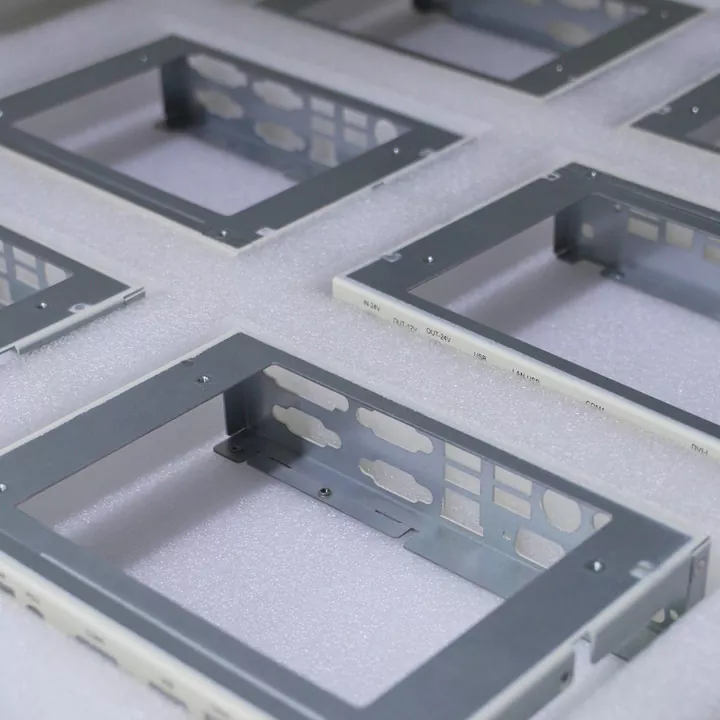
Switch steel housing is a critical structural and protective component widely used in electrical switching systems, control equipment, and industrial machinery. It is designed to provide mechanical strength, environmental protection, and operational stability for sensitive internal components. This article explores its working principles, material advantages, manufacturing considerations, selection challenges, and real-world applications. It is intended to help engineers, procurement specialists, and equipment designers make informed decisions while addressing common operational pain points such as corrosion, mechanical failure, and installation inefficiency.
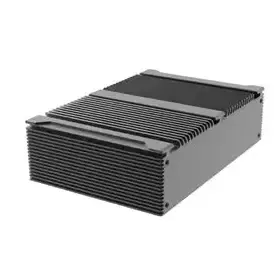
A switch steel housing is a protective enclosure constructed primarily from engineered steel materials, designed to safeguard electrical switching components and control systems. It serves as both a physical barrier and structural reinforcement element, ensuring that internal circuits and mechanisms operate under stable and secure conditions.
In industrial environments, switch systems are exposed to dust, vibration, moisture, and mechanical impact. Without a robust housing, these factors can significantly reduce system reliability and lifespan. The steel housing provides a rigid external shell that maintains integrity under harsh operational conditions.
The importance of switch steel housing lies in its ability to bridge mechanical engineering with electrical safety. It is not simply a cover; it is an engineered protective system that directly impacts performance stability.
Industries relying on continuous operation—such as automation, power distribution, and heavy machinery—require consistent reliability. A properly designed housing reduces downtime and maintenance frequency.
The performance of switch steel housing is strongly influenced by the type of steel used and its structural design. Common materials include cold-rolled steel, stainless steel, and galvanized steel.
Design considerations typically focus on wall thickness, reinforcement ribs, sealing compatibility, and mounting adaptability. A well-designed structure distributes mechanical stress evenly, minimizing deformation risk during operation or transportation.
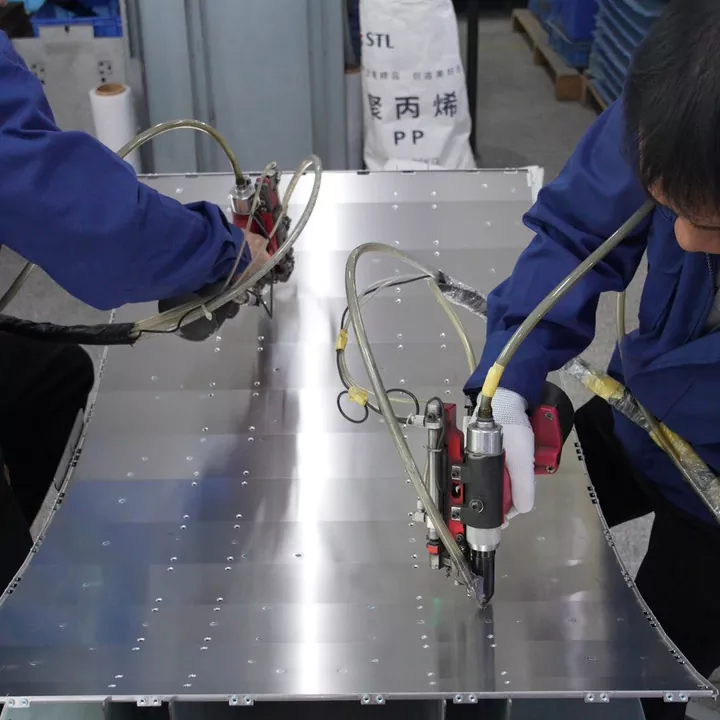
The production of switch steel housing involves several precision engineering stages. Each step ensures that the final product meets industrial durability and safety requirements.
Surface treatment is particularly important, as it directly affects corrosion resistance and long-term performance stability in industrial environments.
Switch steel housings are widely used across multiple industrial sectors due to their versatility and durability.
Each application requires specific design adjustments, particularly in sealing performance and heat dissipation capabilities.
| Material Type | Corrosion Resistance | Mechanical Strength | Cost Level | Best Application |
|---|---|---|---|---|
| Cold-Rolled Steel | Medium | High | Low | Indoor control systems |
| Stainless Steel | Very High | High | High | Marine and outdoor systems |
| Galvanized Steel | High | Medium | Medium | General industrial use |
Selecting the appropriate switch steel housing requires evaluating both environmental and operational factors. Poor selection can lead to premature failure or increased maintenance costs.
For customized industrial requirements, professional manufacturers such as Dongguan city Xinyang Industrial Co., Ltd. provide tailored engineering solutions that align with system specifications and operational demands.
Even high-quality switch steel housing requires periodic inspection to ensure long-term stability. Maintenance practices are relatively straightforward but essential.
Proper maintenance significantly extends service life and reduces unexpected operational interruptions.
1. What is the main function of switch steel housing?
It provides structural protection and environmental isolation for electrical switching systems.
2. Can it be used outdoors?
Yes, but stainless or specially coated steel is recommended for outdoor conditions.
3. What is the typical lifespan?
Depending on material and environment, it can last 10–25 years with proper maintenance.
4. Is customization available?
Yes, many manufacturers offer customized dimensions, coatings, and structural designs.
5. How does it improve system safety?
It prevents external damage, reduces exposure risks, and stabilizes internal components.
Switch steel housing plays a foundational role in ensuring reliability, safety, and durability in industrial electrical systems. Its engineering design directly impacts operational efficiency and long-term maintenance costs. By selecting appropriate materials and working with experienced manufacturers, businesses can significantly enhance system performance and reduce risk.
For professional solutions, customization, and technical support, Dongguan city Xinyang Industrial Co., Ltd. provides high-quality switch steel housing products designed for demanding industrial applications.
Contact us today to discuss your requirements, request technical specifications, or receive a tailored quotation that fits your project needs.