Abstract:
Case sheet metal fabrication is a critical manufacturing process for producing durable, precise, and customized enclosures used in electronics, machinery, medical devices, telecommunications, and industrial systems. Choosing the right fabrication method directly affects structural integrity, product lifespan, appearance, and cost efficiency. In this article, Xinyang explains how case sheet metal fabrication works, the major production stages involved, common customer pain points, and how businesses can optimize fabrication decisions for better results.
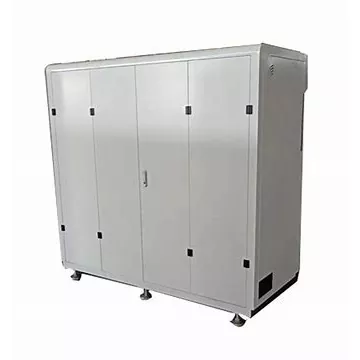
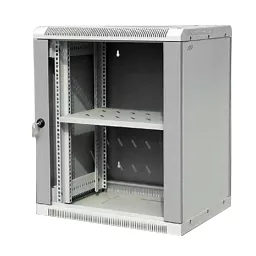
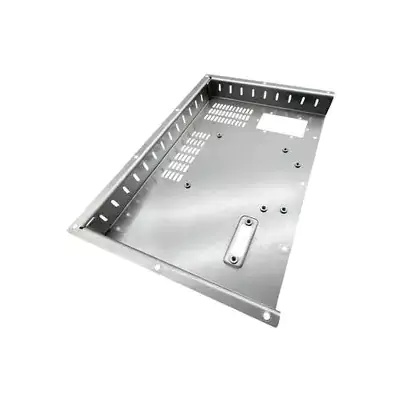
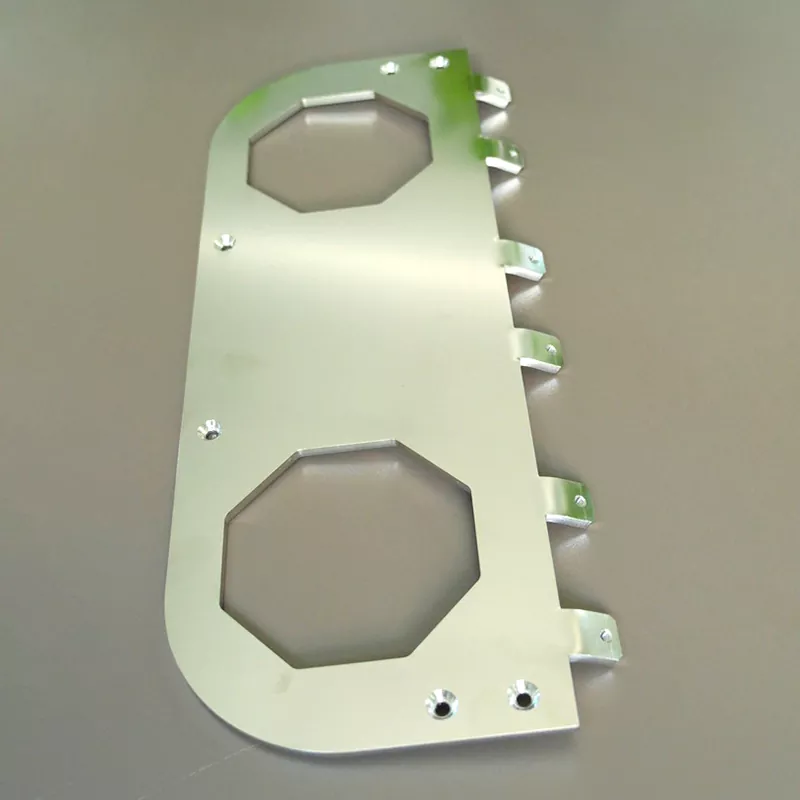
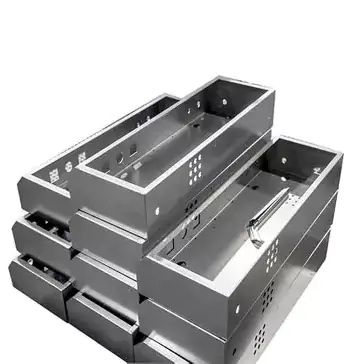
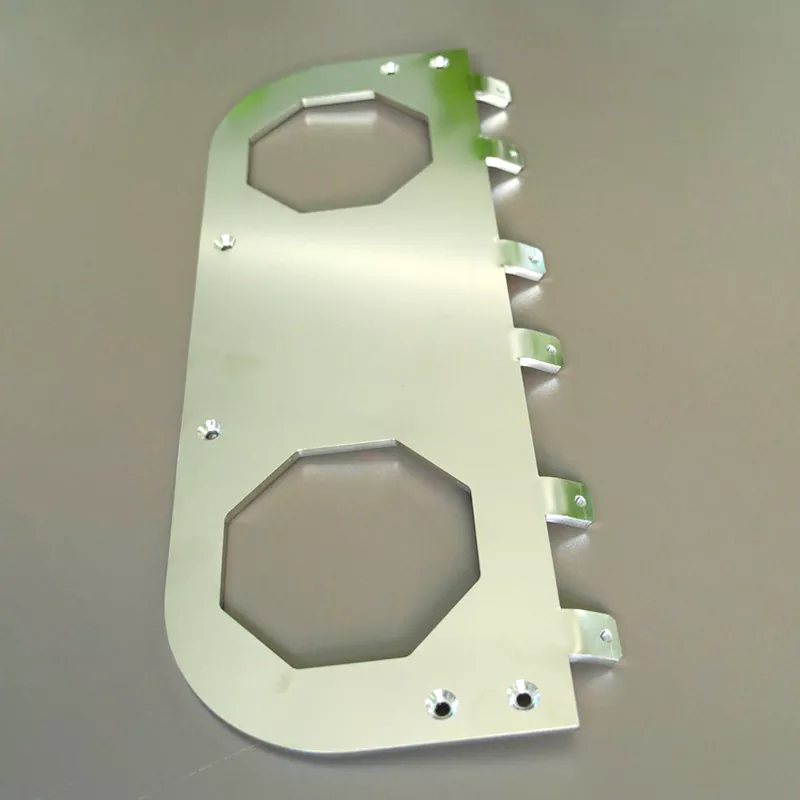
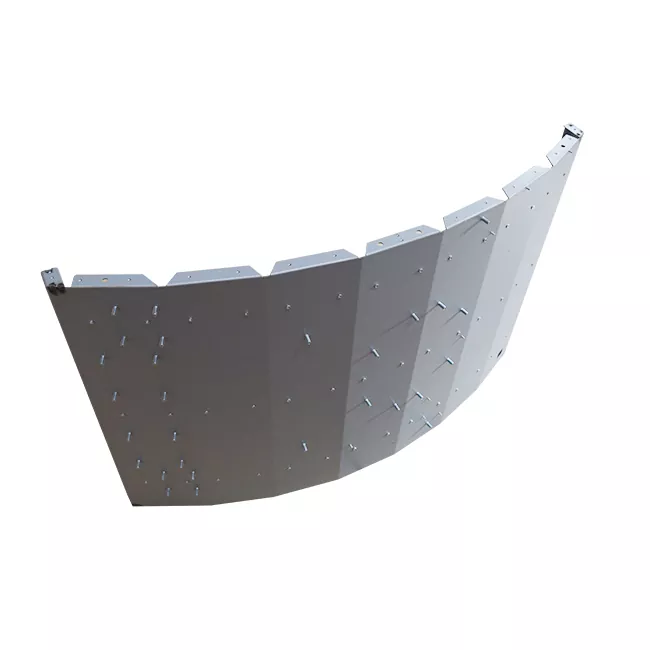
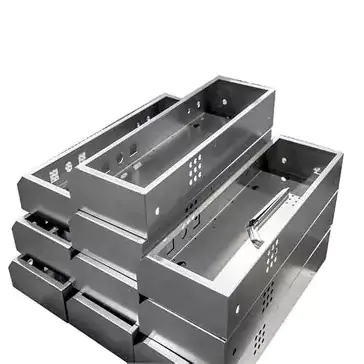
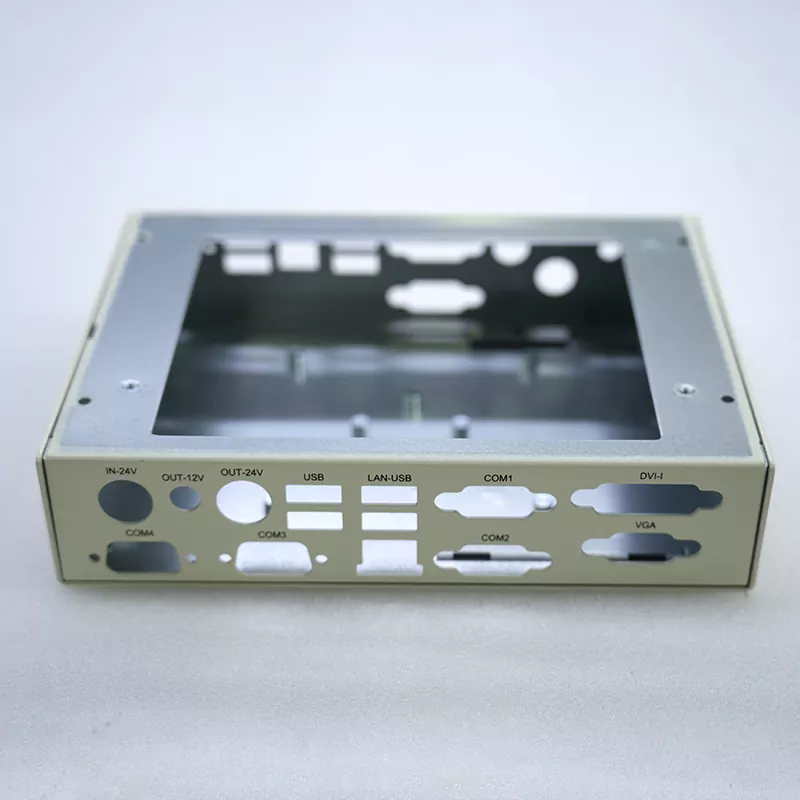
Case sheet metal fabrication refers to the process of cutting, bending, punching, welding, and assembling metal sheets into protective cases or enclosures. These fabricated metal cases are widely used to house electrical systems, industrial controls, battery systems, communication devices, and precision instruments.
Unlike plastic housings, fabricated metal cases offer superior strength, heat resistance, corrosion protection, and dimensional stability. This makes them ideal for demanding environments where reliability is essential.
Many customers face problems such as weak enclosure structures, inaccurate dimensions, poor fitting parts, and premature corrosion. High-quality fabrication solves these issues by ensuring:
For industries where internal equipment is expensive or sensitive, enclosure failure can cause major financial losses. Proper fabrication minimizes such risks significantly.
Case sheet metal fabrication involves multiple coordinated stages. Each step must be carefully controlled to ensure consistency and quality.
| Stage | Description | Purpose |
|---|---|---|
| Design Engineering | CAD drawings and structural planning | Ensure dimensional accuracy |
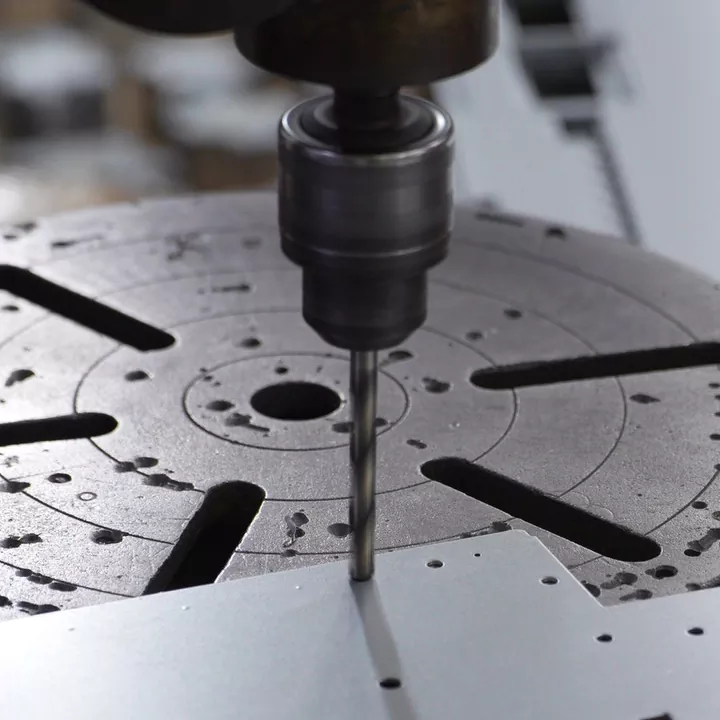
| Material Cutting | Laser cutting, CNC punching, shearing | Create precise sheet profiles |
| Bending/Forming | Press brake shaping | Form structural geometry |
| Welding/Assembly | Joining fabricated sections | Build final enclosure body |
| Surface Finishing | Powder coating, anodizing, plating | Enhance durability and appearance |
| Inspection | Dimensional and quality checks | Guarantee compliance standards |
At Xinyang, every stage is monitored through strict production controls to reduce defects and ensure repeatable quality.
Material selection directly affects performance, cost, and application suitability.
Selecting the wrong material can lead to excessive cost, poor heat dissipation, or structural weakness. Professional guidance helps avoid these costly mistakes.
Many buyers struggle with recurring fabrication issues. Below are the most common challenges and effective solutions:
| Customer Pain Point | Cause | Solution |
|---|---|---|
| Dimensional mismatch | Poor tolerance control | Precision CNC fabrication |
| Weak welded joints | Inconsistent welding quality | Certified welding inspection |
| Rust after short use | Improper finishing treatment | Advanced powder coating systems |
| Delayed delivery | Unstable production scheduling | Reliable production planning |
| High defect rate | Lack of quality checkpoints | Multi-stage QC inspection |
Xinyang addresses these challenges by integrating automated machinery with experienced engineering oversight.
Well-manufactured case sheet metal products deliver several long-term advantages:
For OEM manufacturers, durable fabricated cases also strengthen brand reputation by improving end-product reliability.
Not all suppliers offer the same fabrication standards. Before selecting a manufacturer, evaluate:
An experienced supplier like Xinyang can help optimize design for manufacturability, reducing waste while improving final product consistency.
A dependable partner should also provide prototyping support before mass production, allowing customers to validate fit and function before large investment commitments.
1. What industries use case sheet metal fabrication most frequently?
Electronics, telecommunications, industrial automation, medical devices, energy storage, and transportation industries commonly rely on fabricated metal cases.
2. Can custom dimensions be produced?
Yes. Custom dimensions, hole patterns, mounting features, and finishes can all be tailored to project requirements.
3. How long does production usually take?
Lead time depends on complexity, material type, and order volume, but efficient manufacturers often complete standard projects within short production cycles.
4. Which finish is best for corrosion resistance?
Powder coating, anodizing, and stainless steel passivation are among the most effective corrosion-resistant finishing options.
5. Why is tolerance control so important?
Precise tolerances ensure proper assembly alignment, secure component fitting, and reduced installation problems.
Case sheet metal fabrication is far more than shaping metal—it is a precision-driven process that determines enclosure durability, safety, and long-term product performance. By choosing experienced manufacturers with strong engineering and quality systems, businesses can avoid costly defects and gain superior product reliability.
At Xinyang, we specialize in delivering dependable, high-precision case sheet metal fabrication solutions tailored to your industrial needs. If you are looking for durable custom enclosures with consistent quality and fast turnaround, contact us today and let our team help bring your project to life.