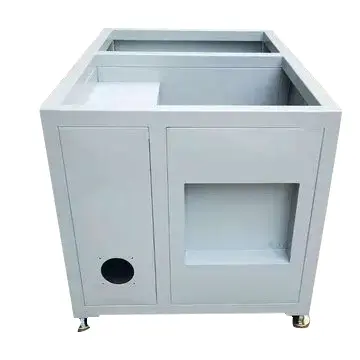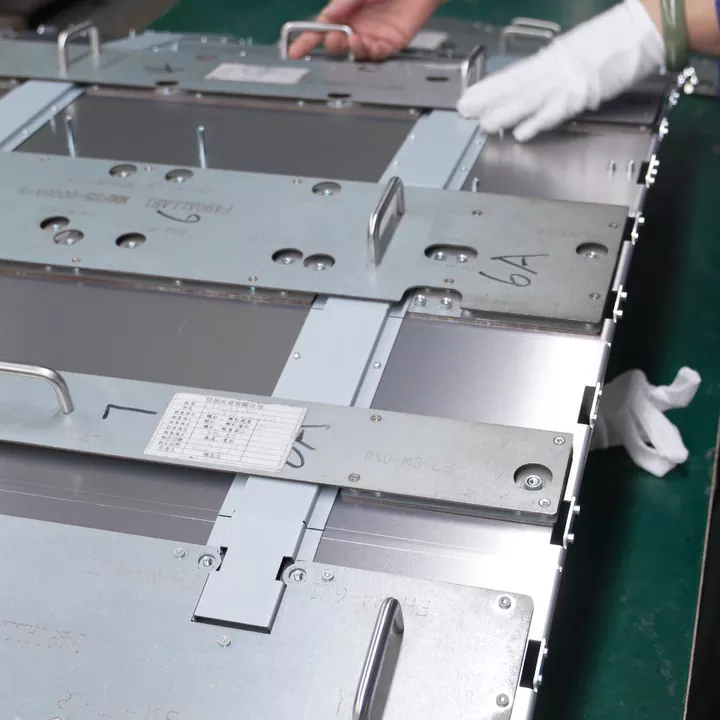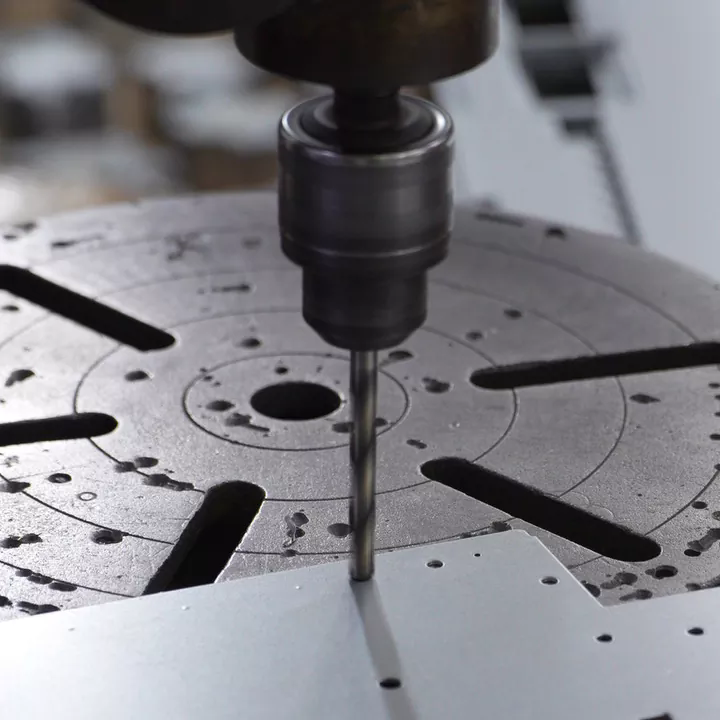
Case sheet metal fabrication plays a crucial role in modern manufacturing, especially for industries that require durable, lightweight, and precisely engineered enclosures. From electronics housings to industrial equipment casings, this process ensures structural integrity, aesthetic quality, and functional protection. This article provides a comprehensive overview of how case sheet metal fabrication works, its advantages, technical parameters, and how to select the right fabrication solution to meet specific project requirements.
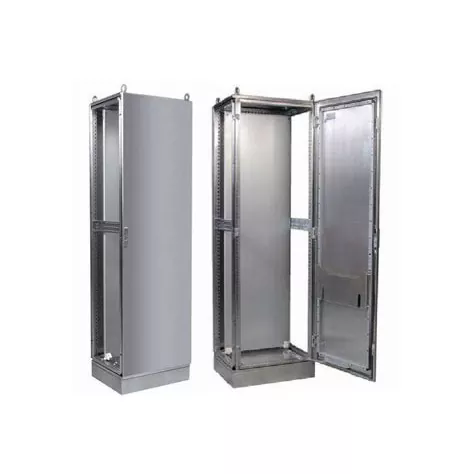
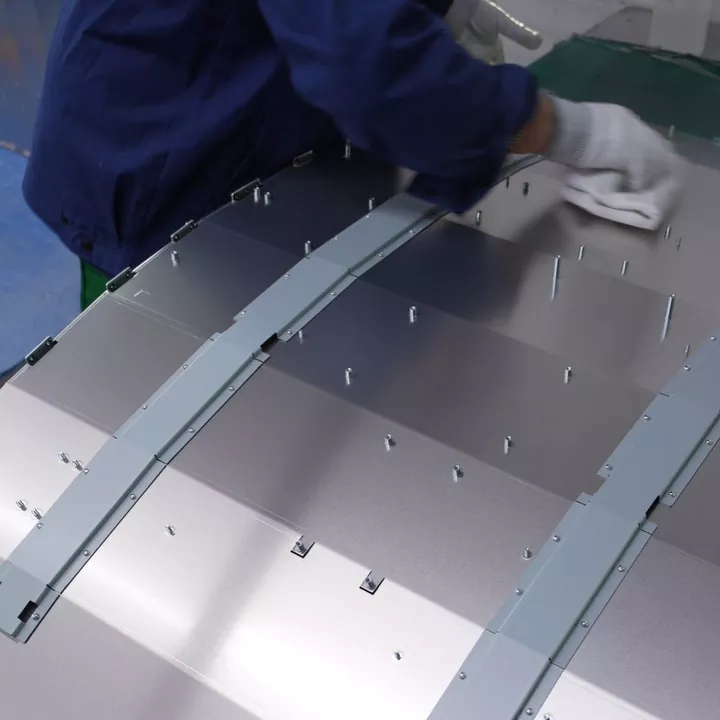
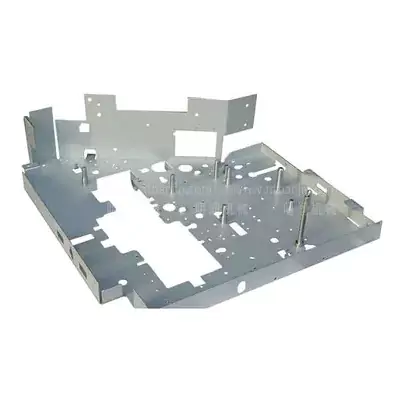
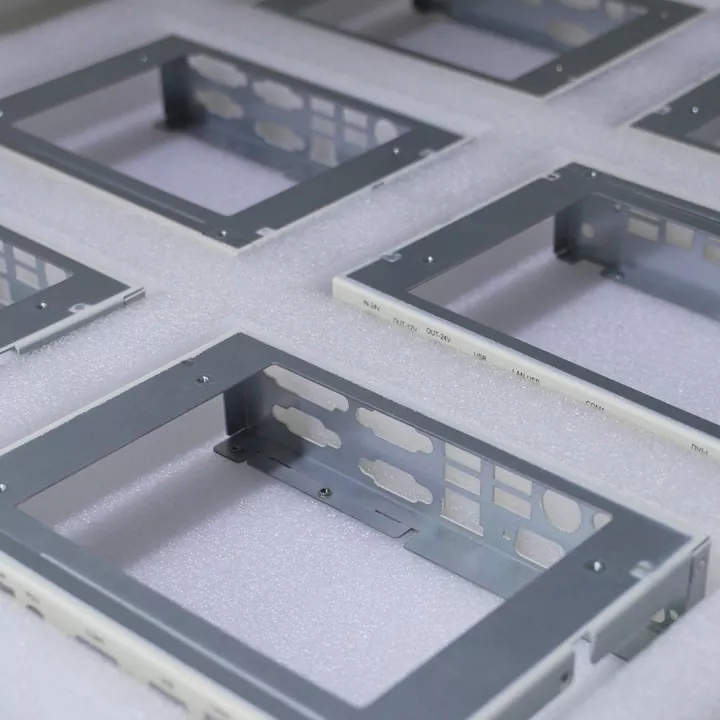
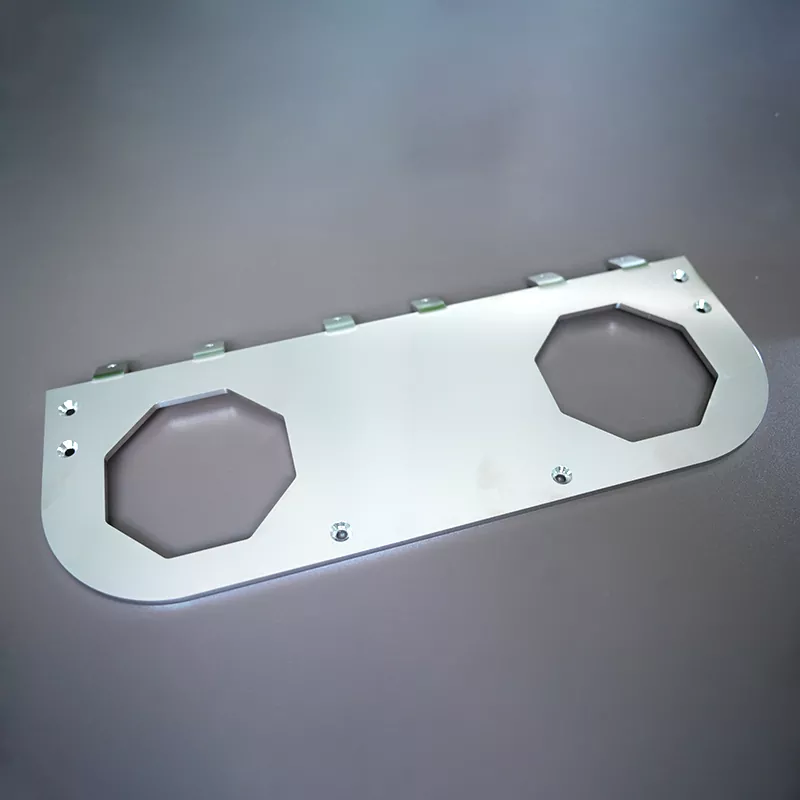
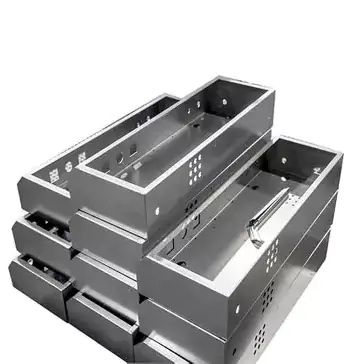
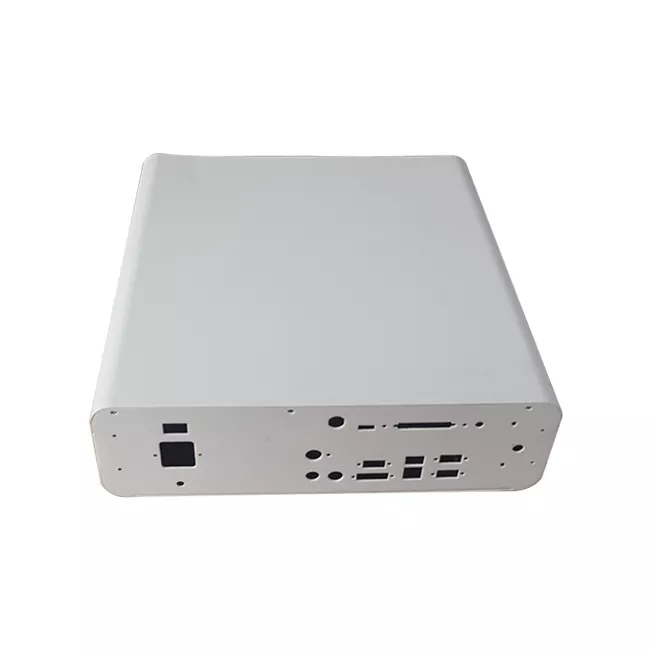
Case sheet metal fabrication refers to the process of designing, cutting, bending, and assembling metal sheets into protective enclosures or casings. These cases are widely used to house sensitive components such as electrical systems, communication devices, and mechanical assemblies.
The process combines precision engineering with material science to ensure that the final product meets strict requirements for strength, corrosion resistance, and dimensional accuracy.
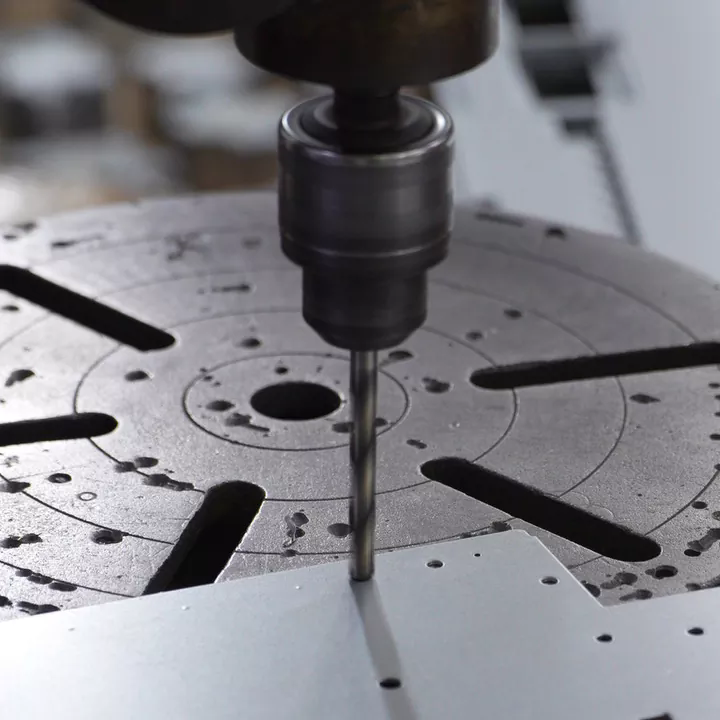
The fabrication process involves several coordinated steps, each contributing to the final product quality.
Advanced fabrication facilities use automated systems to maintain consistency and reduce production errors.
Customers often face challenges such as product damage, poor heat dissipation, and inconsistent quality. Case sheet metal fabrication provides effective solutions.
These advantages make it a preferred choice across multiple industries.
| Material Type | Characteristics |
| Stainless Steel | High corrosion resistance and strength |
| Aluminum | Lightweight and excellent thermal conductivity |
| Carbon Steel | Cost-effective and durable |
| Galvanized Steel | Improved corrosion protection |
| Thickness Range | 0.5mm – 10mm depending on application |
| Tolerance | ±0.1mm to ±0.5mm |
| Surface Finish | Powder coating, anodizing, polishing |
Manufacturers like Xinyang focus on delivering consistent quality through strict material selection and advanced processing techniques.
Case sheet metal fabrication is used in a wide range of industries due to its versatility.
These applications require both structural integrity and aesthetic quality, which sheet metal fabrication can provide effectively.
Selecting the right supplier is critical for ensuring product quality and timely delivery.
A reliable partner will not only manufacture products but also provide engineering insights to improve design efficiency.
Understanding the full workflow helps customers evaluate production timelines and quality expectations.
Each stage is carefully monitored to ensure compliance with project specifications.
Q1: What is the typical lead time for case sheet metal fabrication?
Lead time varies depending on complexity and quantity, but most projects range from 7 to 30 days.
Q2: Can custom designs be supported?
Yes. Most manufacturers provide full customization based on drawings or samples, ensuring the final product meets exact requirements.
Q3: What surface treatments are available?
Common options include powder coating, anodizing, galvanizing, and polishing to enhance durability and appearance.
Q4: How is quality ensured during production?
Quality control includes dimensional inspection, material verification, and functional testing at multiple stages of production.
Case sheet metal fabrication is an essential manufacturing solution for producing durable, precise, and customizable enclosures. Its ability to combine structural strength with design flexibility makes it indispensable across industries.
Xinyang is committed to delivering high-quality fabrication solutions that meet diverse industrial needs with precision and reliability.
If you are seeking a trusted partner for your next project, contact us today to receive professional guidance, customized solutions, and competitive pricing tailored to your requirements.